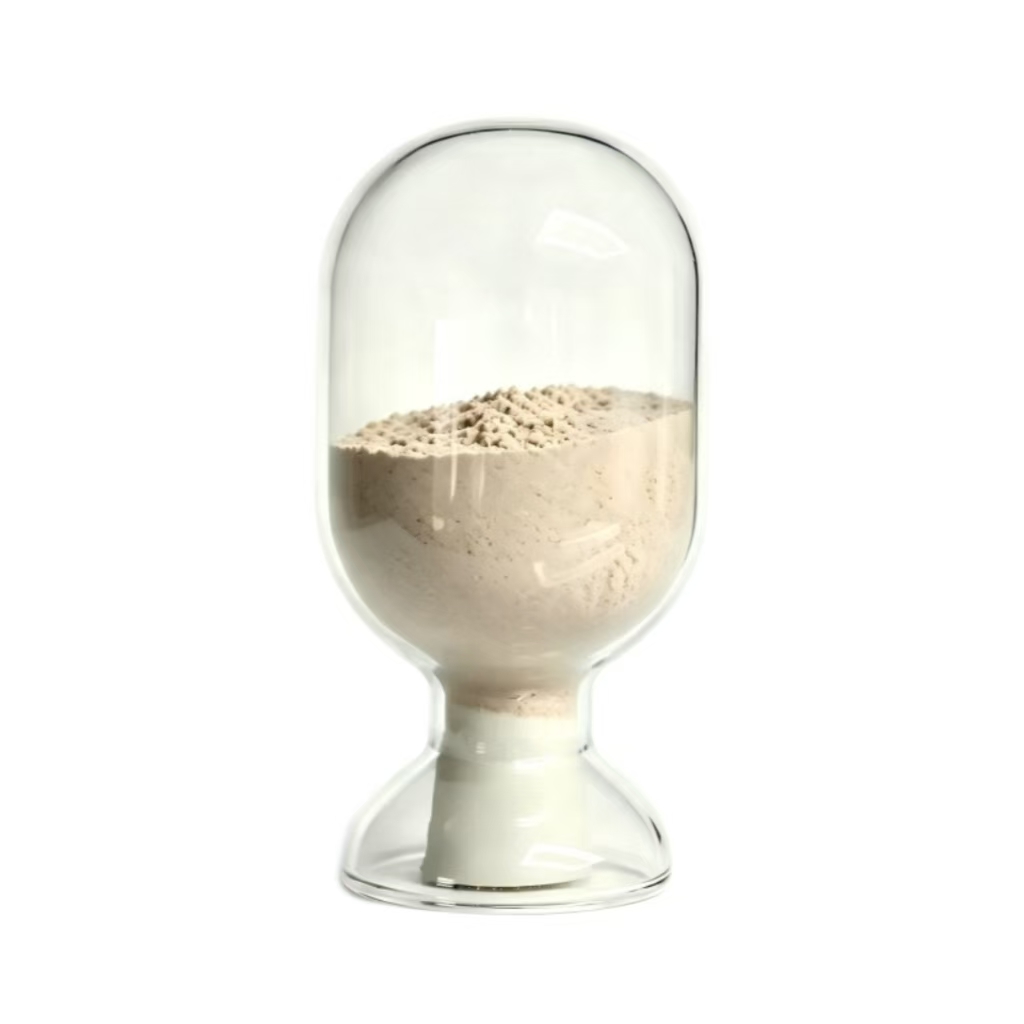
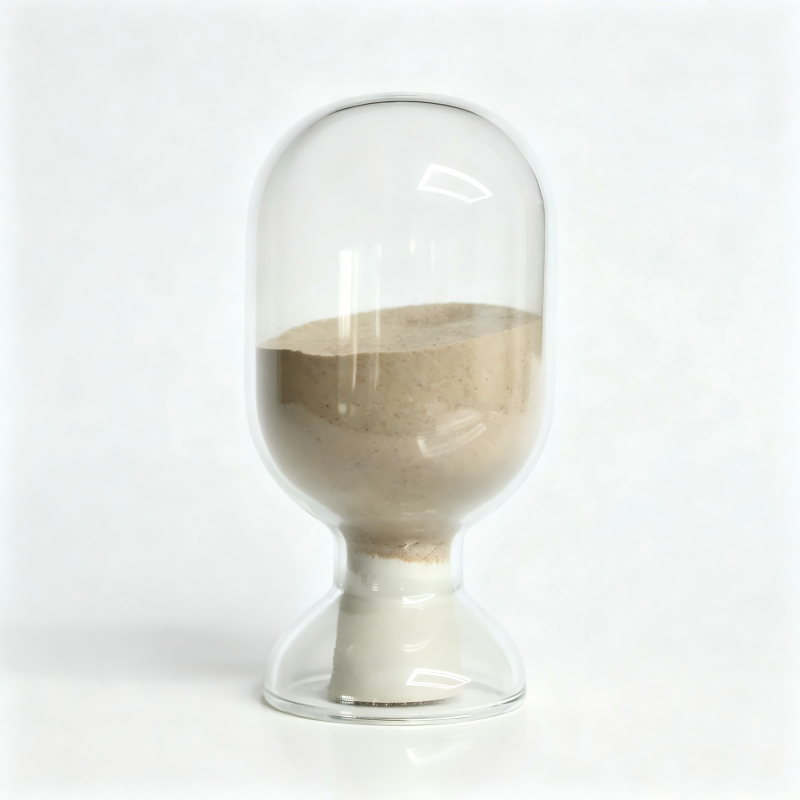
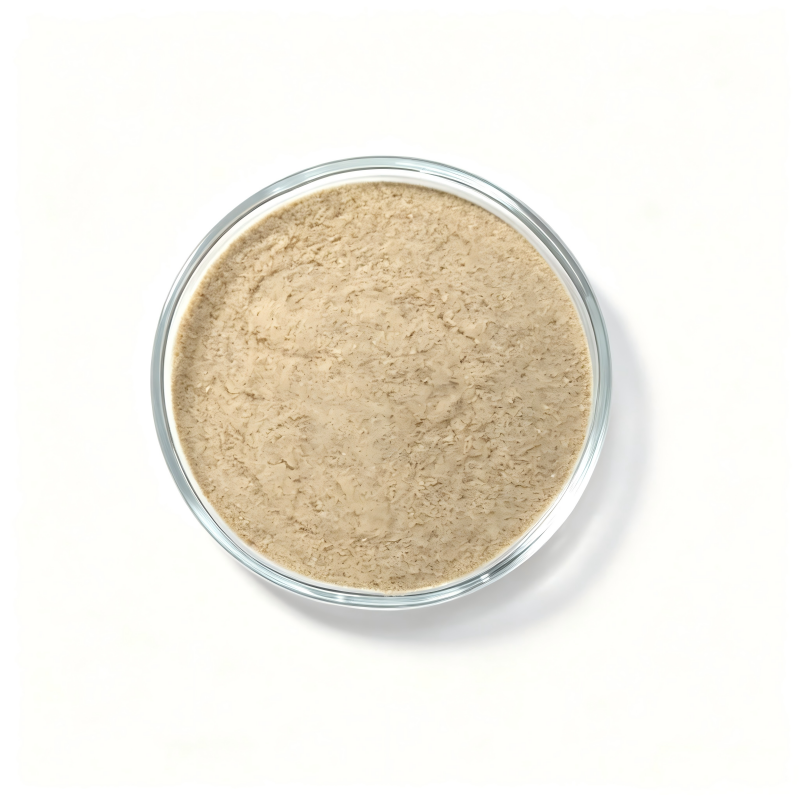
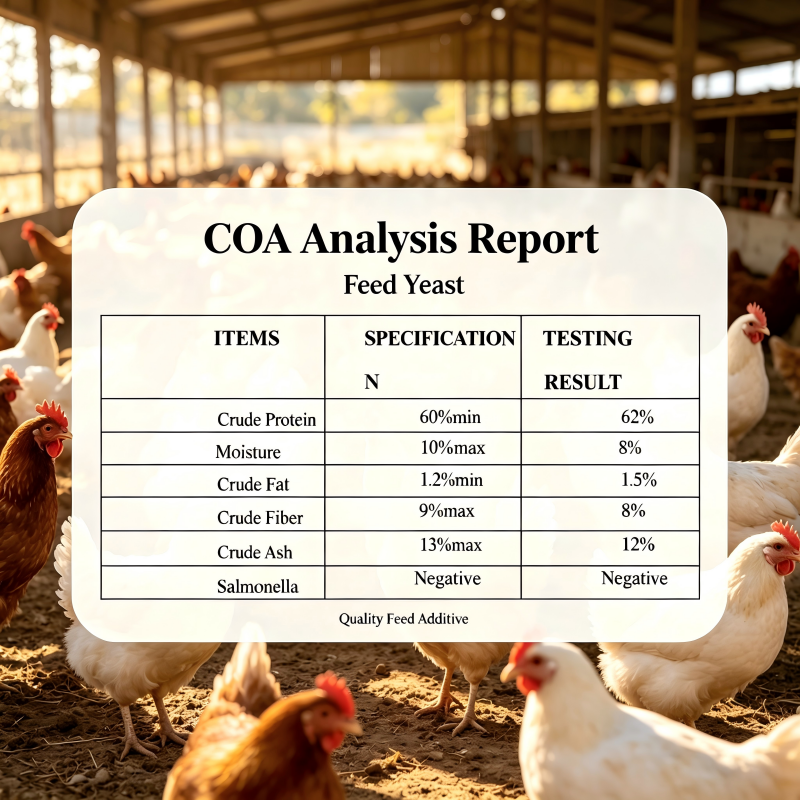
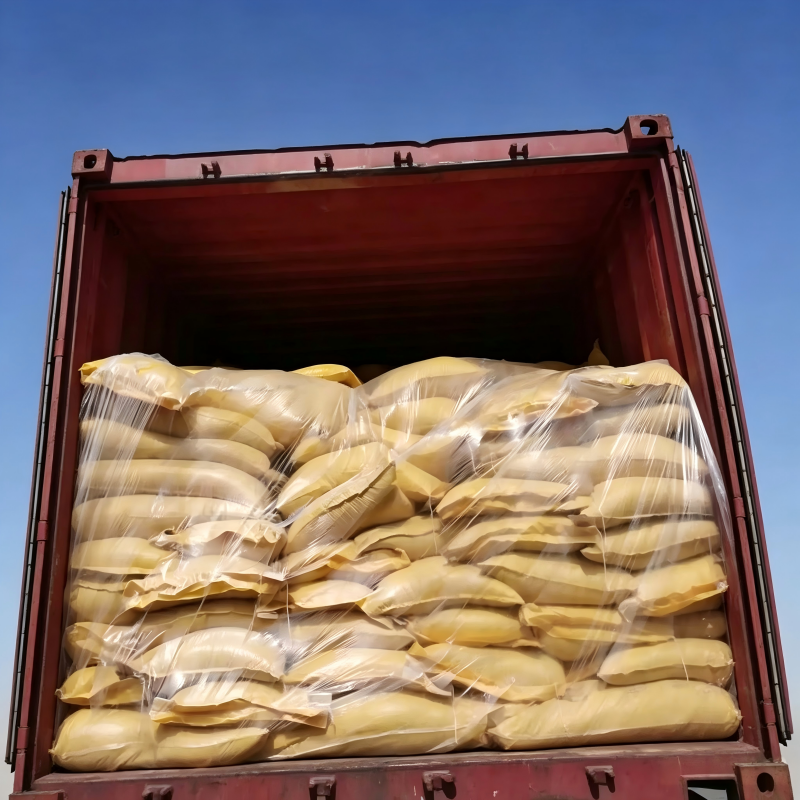
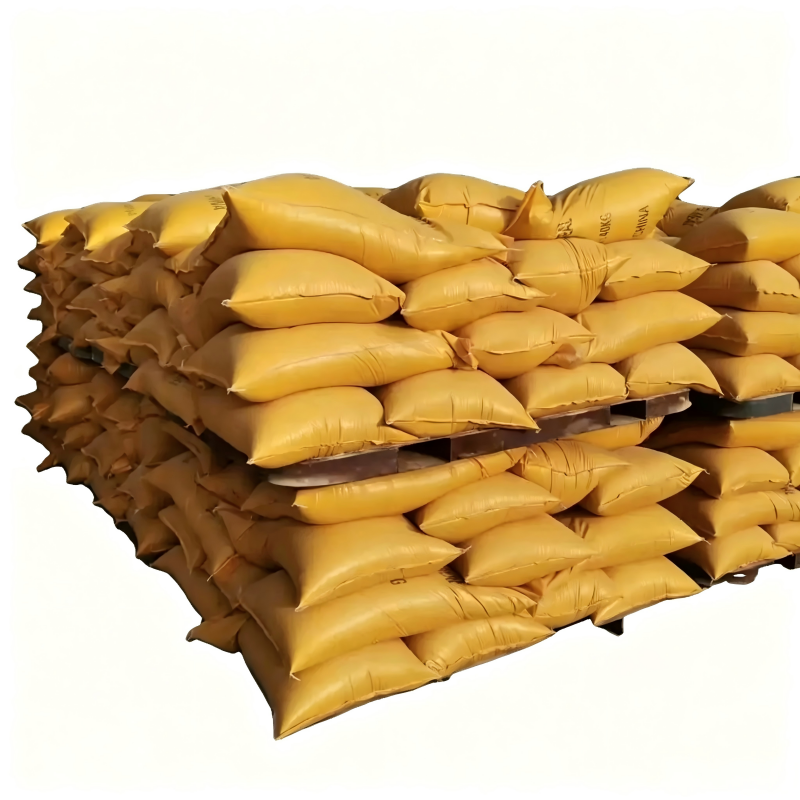
Feed yeast is a type of single-cell protein (SCP) with a crude protein content of 45%–60%. Rich in yeast cell wall polysaccharides, nucleotides, free amino acids, B vitamins, and unidentified growth factors (UGF), it serves as a multifunctional feed ingredient that provides protein nutrition while supporting gut health and enhancing immunity. It can replace soybean meal and fish meal and is suitable for livestock, poultry, aquaculture species, and ruminants.
Product Detail:
High-quality, balanced protein source with superior digestibility and absorption
Contains a complete profile of 18 amino acids, including essential ones like lysine and leucine, effectively compensating for amino acid deficiencies found in corn and wheat bran;
Protein exists largely as small-molecule peptides and free amino acids, achieving a digestion and utilization rate of 82%–88%—outperforming standard plant-based soybean meal;
Free from anti-nutritional factors (such as soybean lectins, phytic acid, and flatulence-causing oligosaccharides), ensuring young animals do not suffer from bloating or indigestion.
Dual prebiotic activity: Intracellular yeast nutrients + cell wall polysaccharides
The yeast cell wall contains β-glucans and mannan-oligosaccharides (MOS)—natural functional additives—eliminating the need for additional prebiotics or immunopolysaccharides; this multifunctional nature simplifies feed formulations.
Natural palatability enhancer
Yeast fermentation imparts a rich, savory aroma and umami-enhancing nucleotides; it strongly stimulates feed intake in piglets, chicks, aquatic larvae (fish and shrimp), and animals suffering from stress-induced anorexia, while masking off-flavors in the feed.
High compatibility with various feed processing methods
Features a fine powder texture and excellent flowability, allowing for direct mixing into complete feeds, premixes, concentrates, and extruded aquatic feeds; remains stable during high-temperature pelleting and extrusion processes with minimal loss of activity; and blends perfectly with corn steep liquor powder, glutamate residue, and choline chloride without antagonistic reactions.
Promotes beneficial flora: Serves as a carbon source for *Lactobacillus* and *Bifidobacterium*, optimizing the balance of the intestinal microbiota;
Repairs intestinal mucosa: Amino acids and B vitamins provide energy to intestinal epithelial cells, promoting the growth of intestinal villi and thickening the intestinal barrier, thereby increasing the surface area for nutrient absorption;
Supplementation in young animals (weaned piglets, chicks, shrimp post-larvae) reduces the incidence of diarrhea by 15%–30% and significantly decreases the occurrence of stunted growth (runts).
Boosts immunity, enhances stress resistance, and lowers mortality/culling rates;
Beta-glucan acts as a natural immunostimulant, activating macrophages and lymphocytes to elevate antibody levels in the animals;
Alleviates stress caused by factors such as group transfers, extreme temperatures (high or low), transportation, water changes, and vaccination, thereby reducing feed intake drops and mortality due to stress-induced collapse;
Lowers the incidence of respiratory and digestive diseases in livestock and poultry; significantly reduces the occurrence of aquatic diseases such as gill rot, "red body" syndrome, and mucus loss; and decreases the need for antibiotics.
Dual feeding stimulants (nucleotides and glutamate) significantly boost feed intake and ensure nutritional support for growth;
Small-molecule amino acids directly contribute to muscle protein deposition, accelerating growth rates:
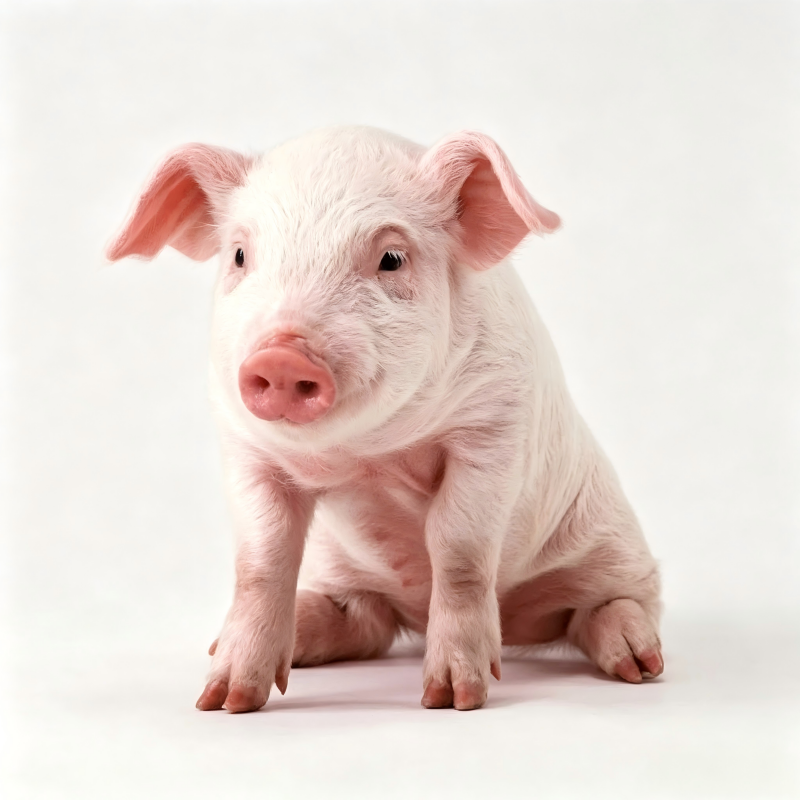
Weaned piglets: Average daily gain (ADG) increases by 9–14%, feed-to-gain ratio decreases by 6–10%, and growth stasis caused by weaning stress is rapidly overcome;
Broilers and meat ducks: Higher market weight, 2–3 days shorter production cycles, and improved carcass lean meat percentage;
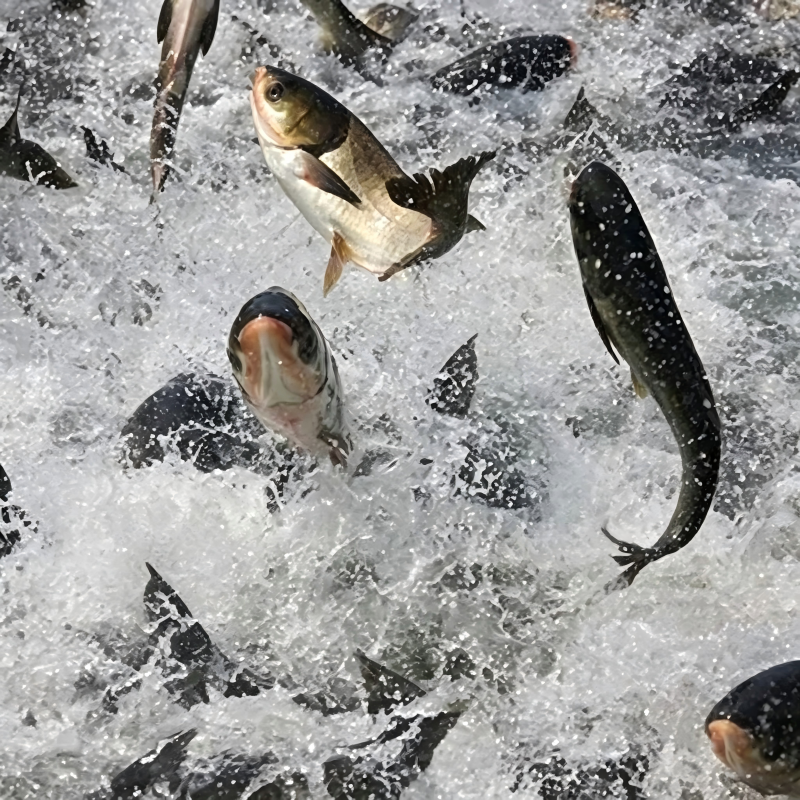
Fish and shrimp: Growth rate increases by 10–16%, with uniform individual sizes and reduced size variation;
Beef cattle and meat sheep: Optimized rumen microbiota, improved crude fiber digestibility, and increased average daily gain.
Enhances reproductive, laying, and lactation performance
Laying poultry (layers and laying ducks)
Stabilizes laying rates and extends the peak laying period; improves eggshell hardness, reducing soft-shelled and broken eggs; increases fertility and hatchability of hatching eggs, reduces weak chicks, and enhances yolk flavor.
Breeding pigs and poultry
Increases sow ovulation and litter size; results in higher birth weights and survival rates for piglets; improves boar sperm motility and semen volume, and reduces non-productive days (barren rates).
Lactating cattle and sheep
Improves rumen fermentation efficiency; increases milk protein and fat content; stabilizes milk yield; and mitigates body weight loss during lactation.
Improves the quality of meat, egg, and milk products
Reduces gamey or off-odors in the meat of livestock, poultry, fish, and shrimp; results in bright meat color, juiciness, and tenderness; increases the commercial value of slaughtered products;
Summary:
Feed yeast is more than just a standard protein source; it is a multifunctional ingredient offering a four-in-one combination of nutritional supply, gut health regulation, immune enhancement, and stress resistance. It can replace soybean meal and fish meal to lower formulation costs while addressing the root causes of diarrhea, disease, and stress-induced growth stagnation in animals. Furthermore, it improves weight gain, reproductive performance, and the quality of meat and eggs. Suitable for all types of large-scale livestock and poultry farming, it yields even better results when used in synergy with choline chloride, dried corn steep liquor powder, and glutamate residue.
Amino Acid Seaweed Silicon
Seaweed Extract
Liquid allicin
Glutamic Acid residue(Boutique Grade)Mycoprotein
Trace Elements Liquid Fertilizer 100g
CSL Powder 42%
 EN
EN
