Feed Ingredients & Protein Raw Materials
This category consists of mineral phosphates, plant protein meals, microbial proteins, fermentation by-products, and selected functional additives used in compound feed manufacturing. It is applied in livestock, poultry, and aquaculture feed formulation where protein adjustment, phosphorus supply, and cost structure control are required.
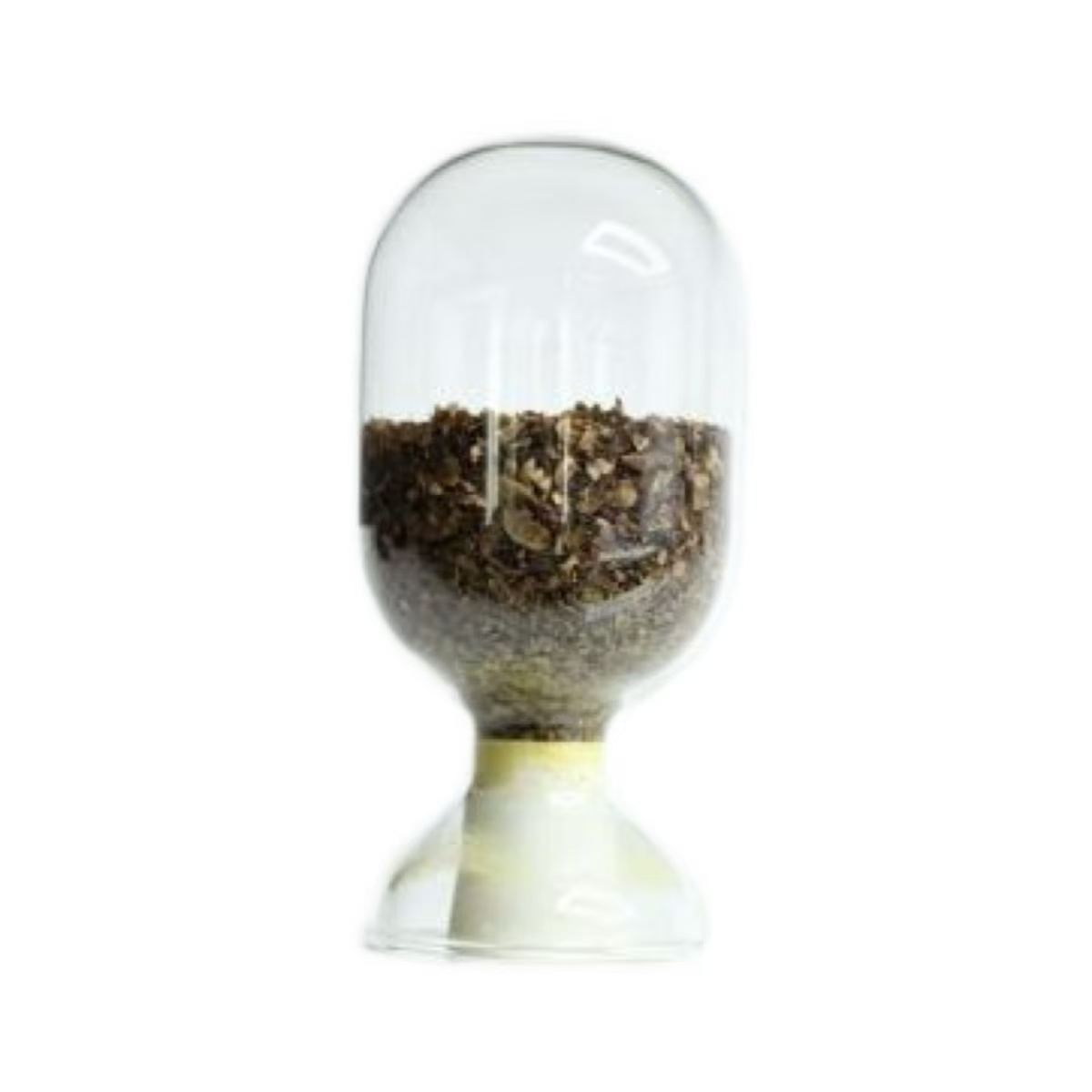
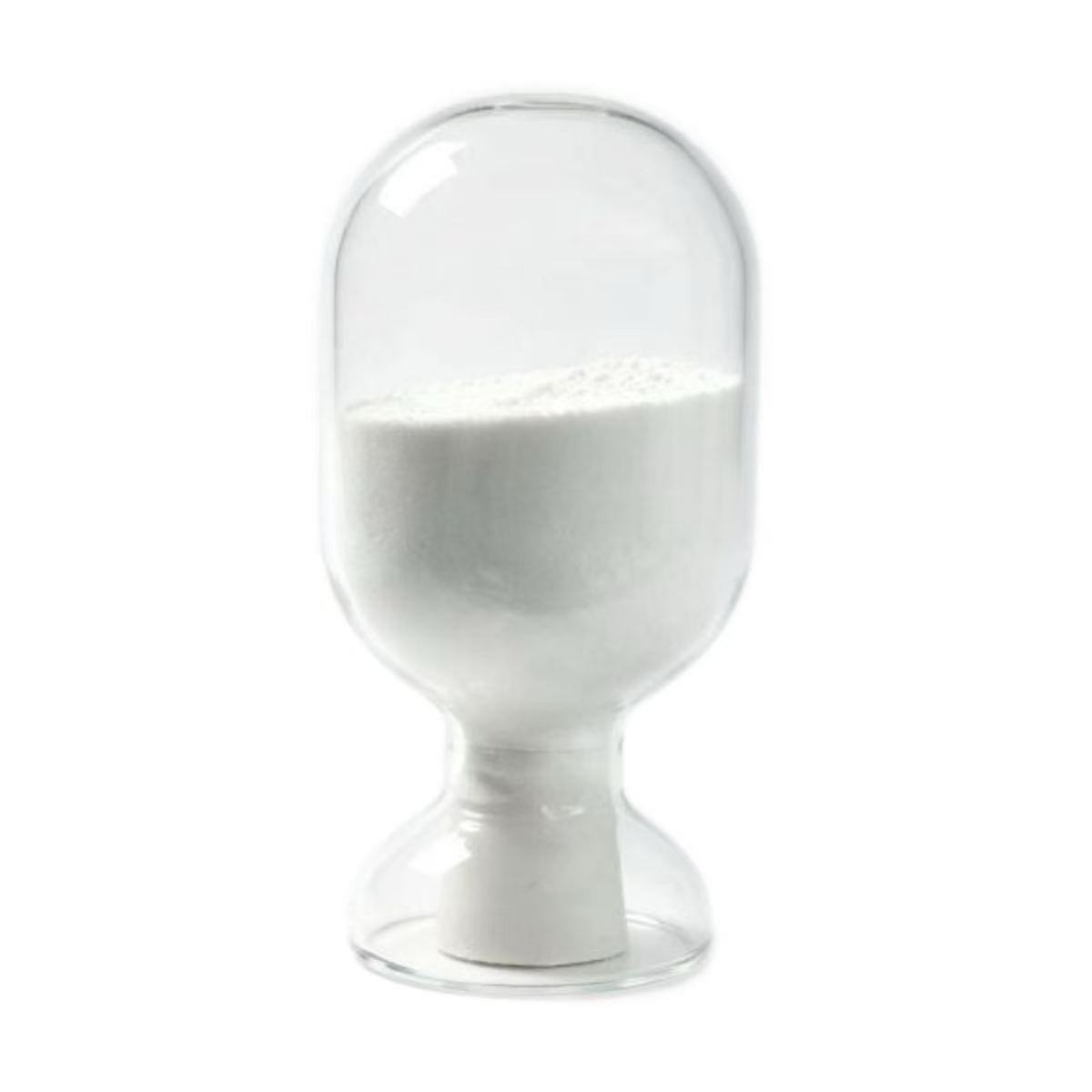
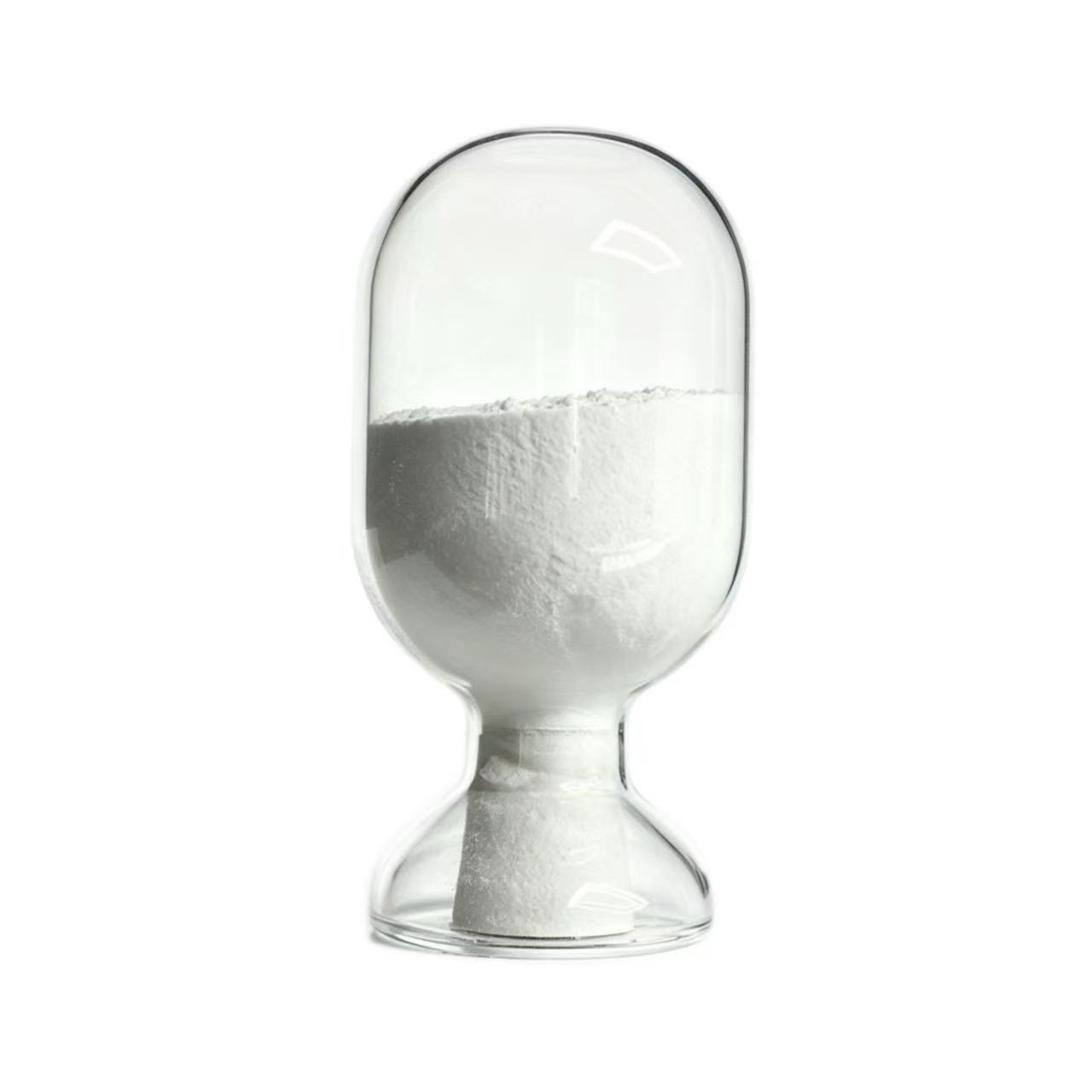
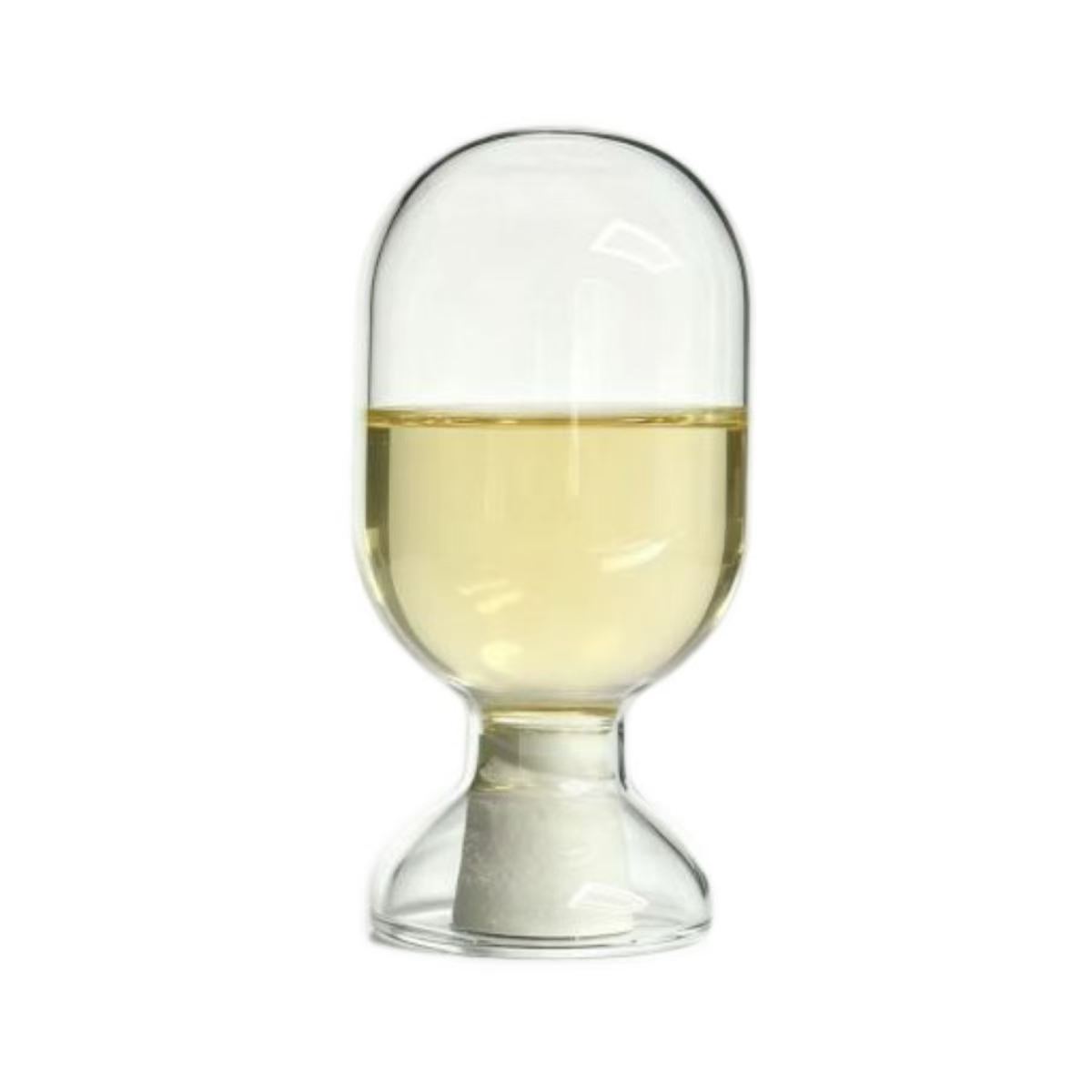
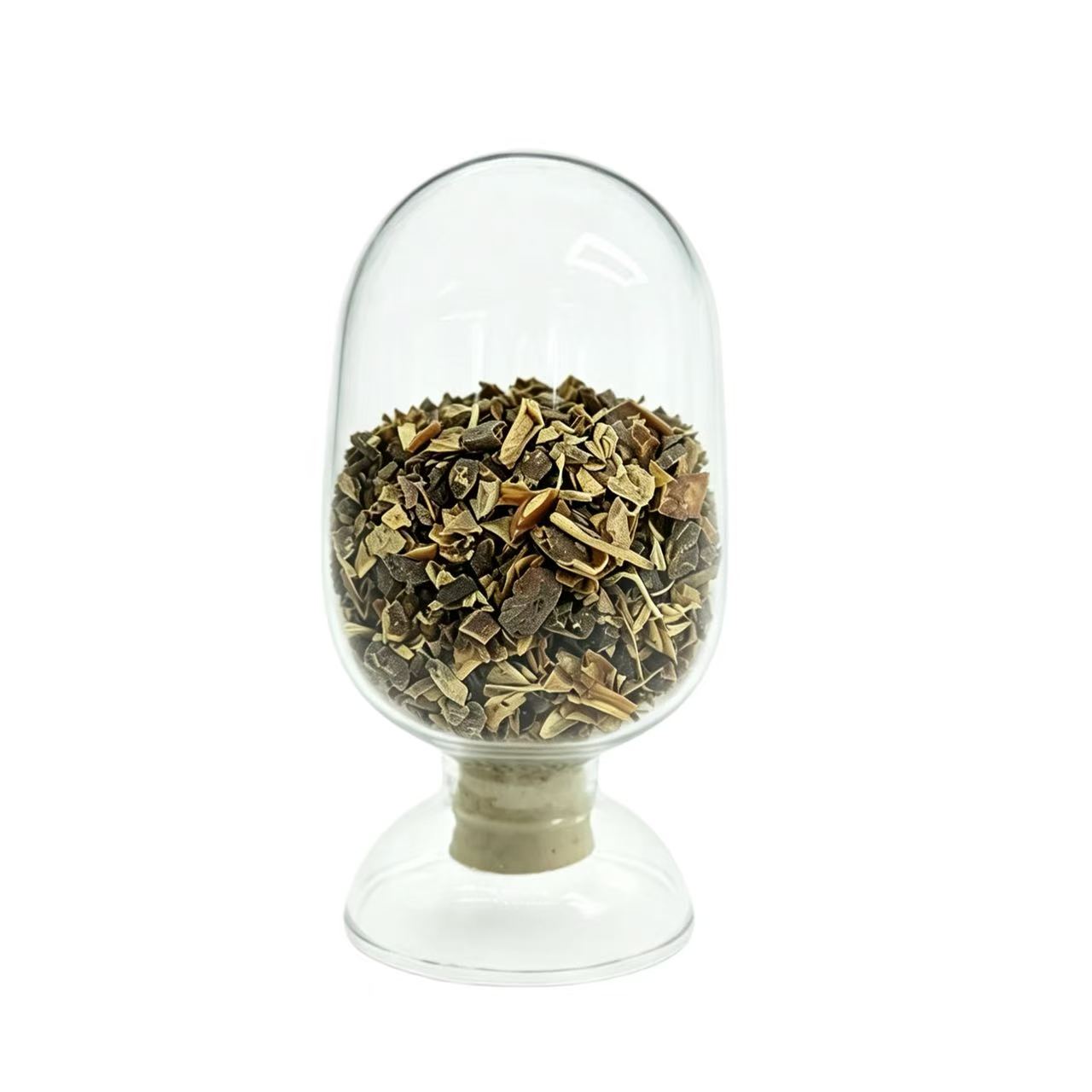
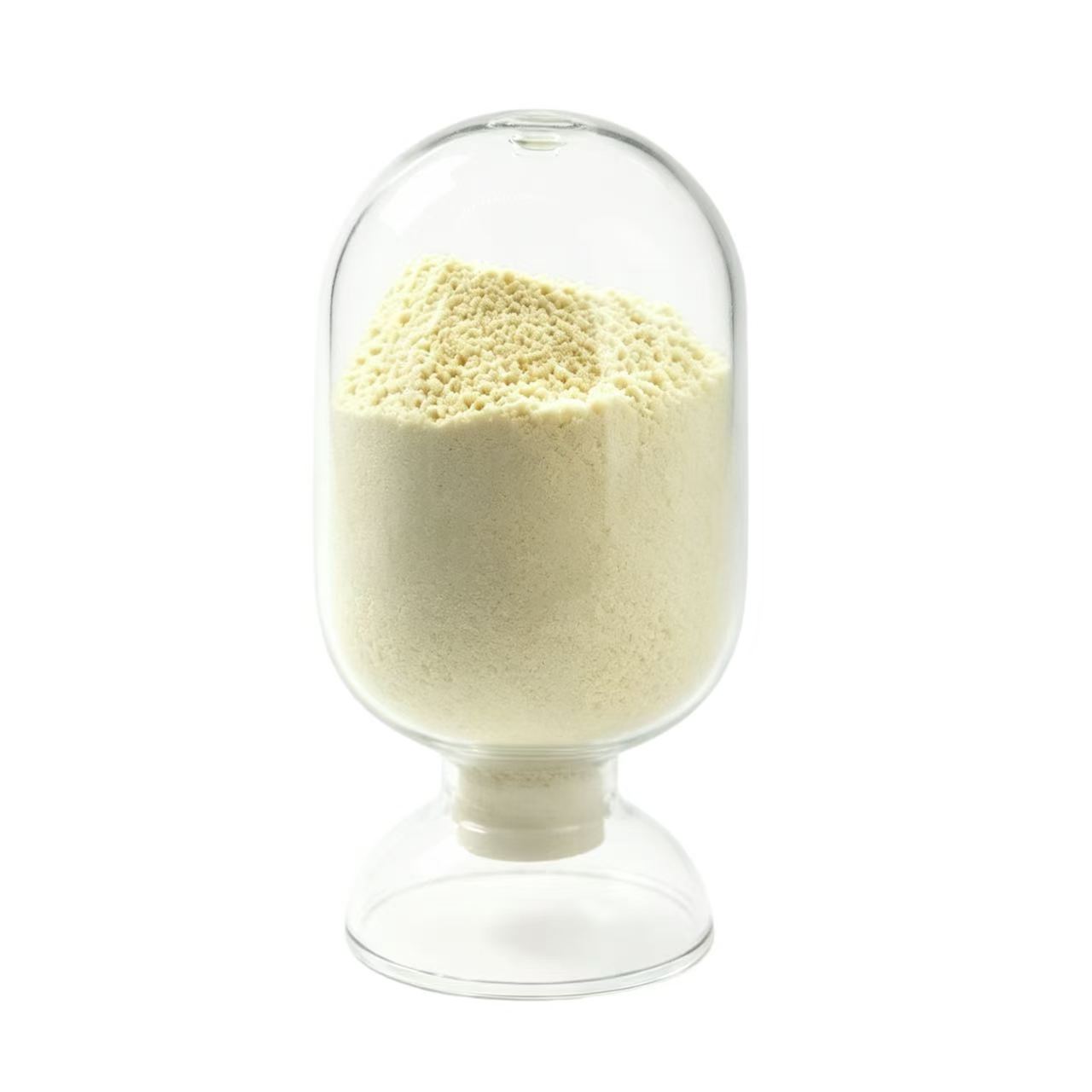
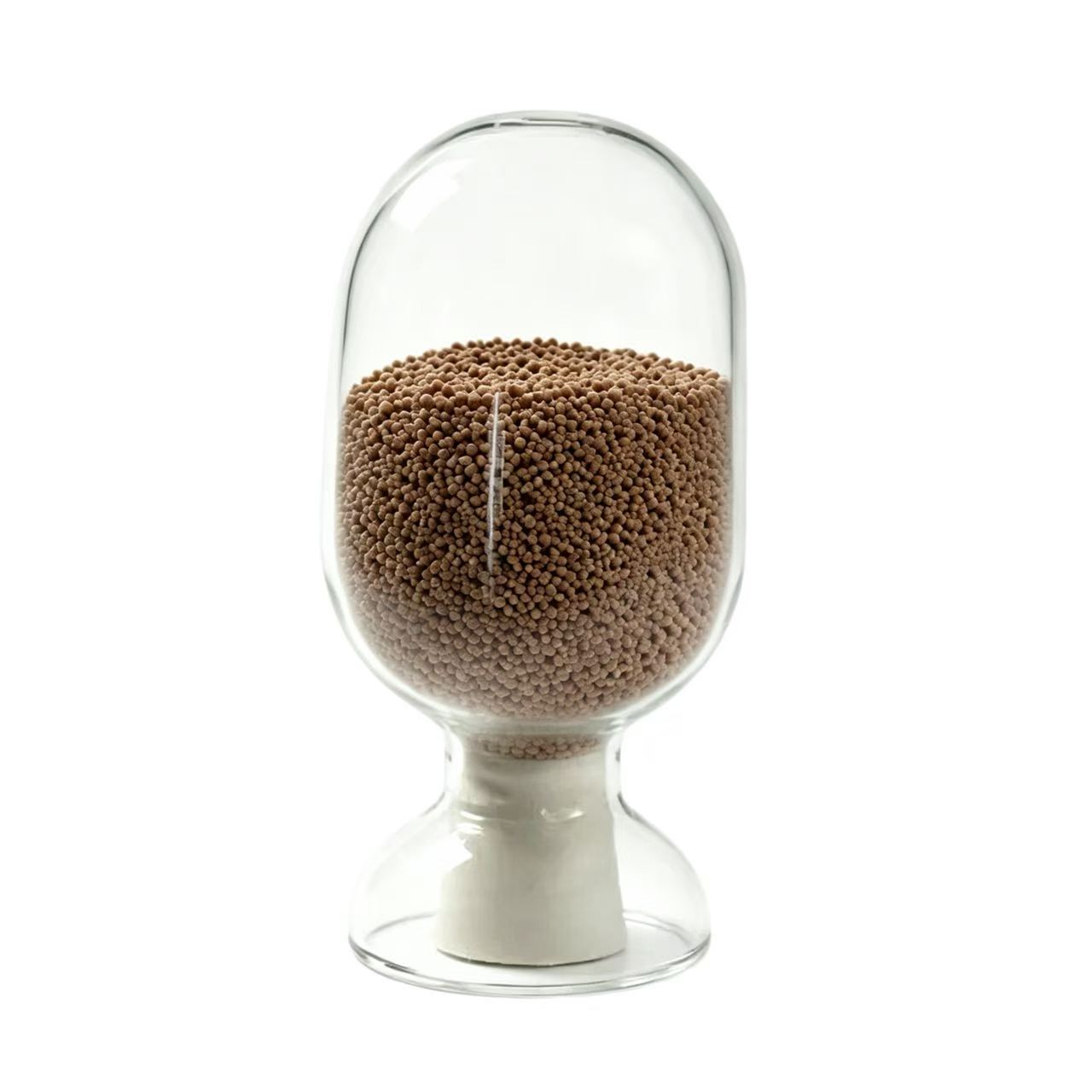
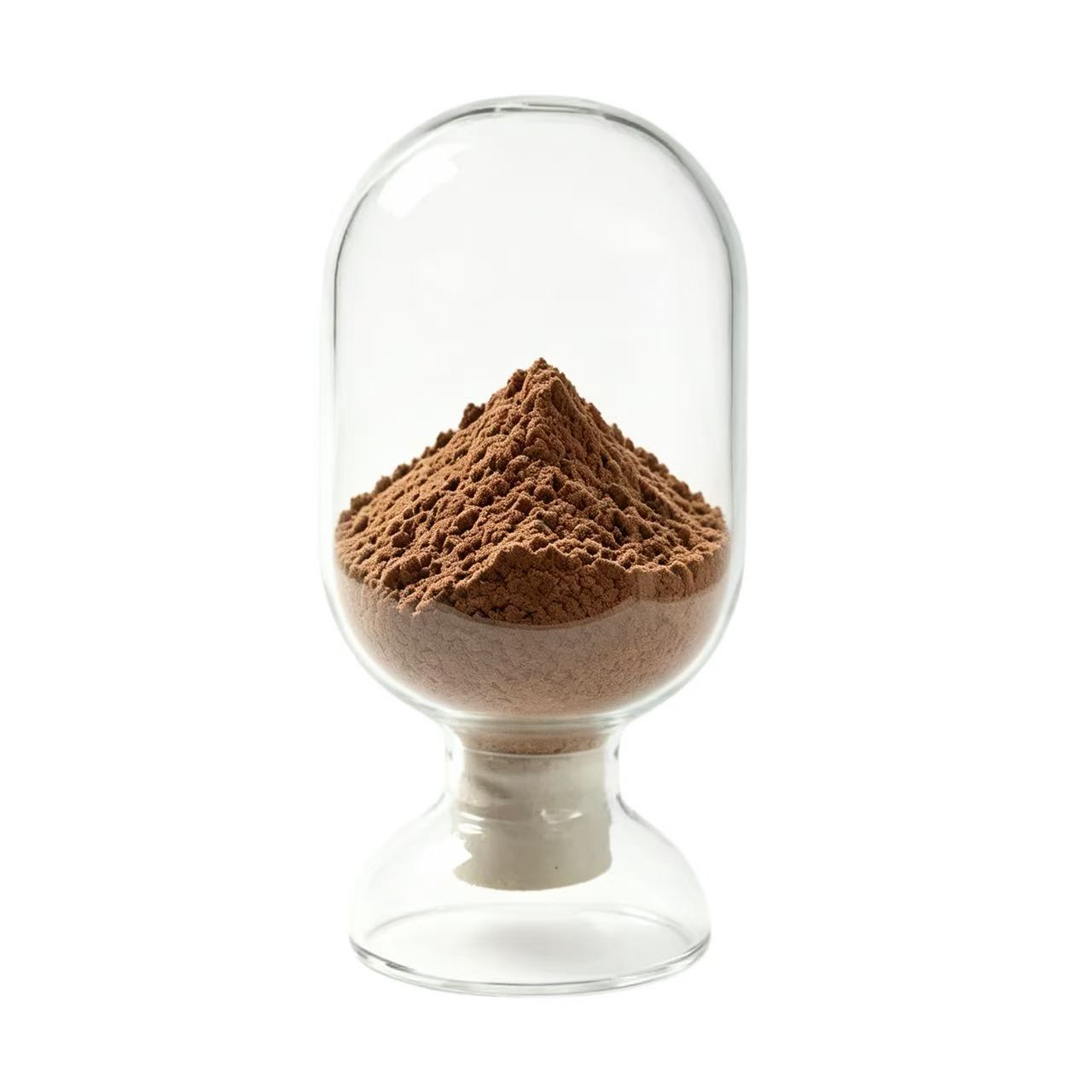
Main materials include Dicalcium Phosphate 18% (DCP), Monodicalcium Phosphate 21% (MDCP), Monocalcium Phosphate 22% (MCP), Corn Gluten Feed 18% (CGF), Corn Gluten Meal 60% (CGM), Corn Steep Liquor Powder 42% (CSLP), Mycoprotein 70%, Single Cell Protein 70%, Glutamic Acid Residue 70% (SCP), Rice Protein Powder 70% (RPP), Apple Pomace, Feed Yeast, Allicin Powder/Liquid, and Soya Lecithin Powder.
These materials are used as formulation inputs rather than finished feed products, supporting adjustment of amino acid level, phosphorus input, energy balance, and functional performance in compound feed systems.
Advantages
1. Raw material matrix structure:
Combines mineral, plant, microbial, and fermentation-derived ingredients for compound feed formulation use.
2. Protein substitution flexibility:
CGM, RPP, SCP, Mycoprotein and related sources allow replacement or blending to adjust crude protein and amino acid composition.
3. Phosphate nutrition control:
DCP, MDCP and MCP provide different phosphorus release levels for formulation adjustment in different feeding stages.
4. Functional ingredient inclusion:
Yeast products, Allicin and Lecithin are used to support digestion condition, feed processing stability and nutrient utilization.
5. Formulation cost balancing:
Enables selection between multiple protein and energy sources to manage feed cost under stable formulation requirements.
Production Technology:
Phosphate products are produced through controlled acid reaction and drying processes to maintain stable calcium and phosphorus content. Protein materials are derived from corn processing streams, microbial fermentation systems, and plant extraction routes, followed by drying under controlled temperature to maintain nutrient stability. Functional additives are processed by concentration, purification or spray drying depending on material type.
All materials are designed for compatibility in compound feed production, premix blending, and customized feed formulation systems for livestock, poultry, and aquaculture use.
 EN
EN
