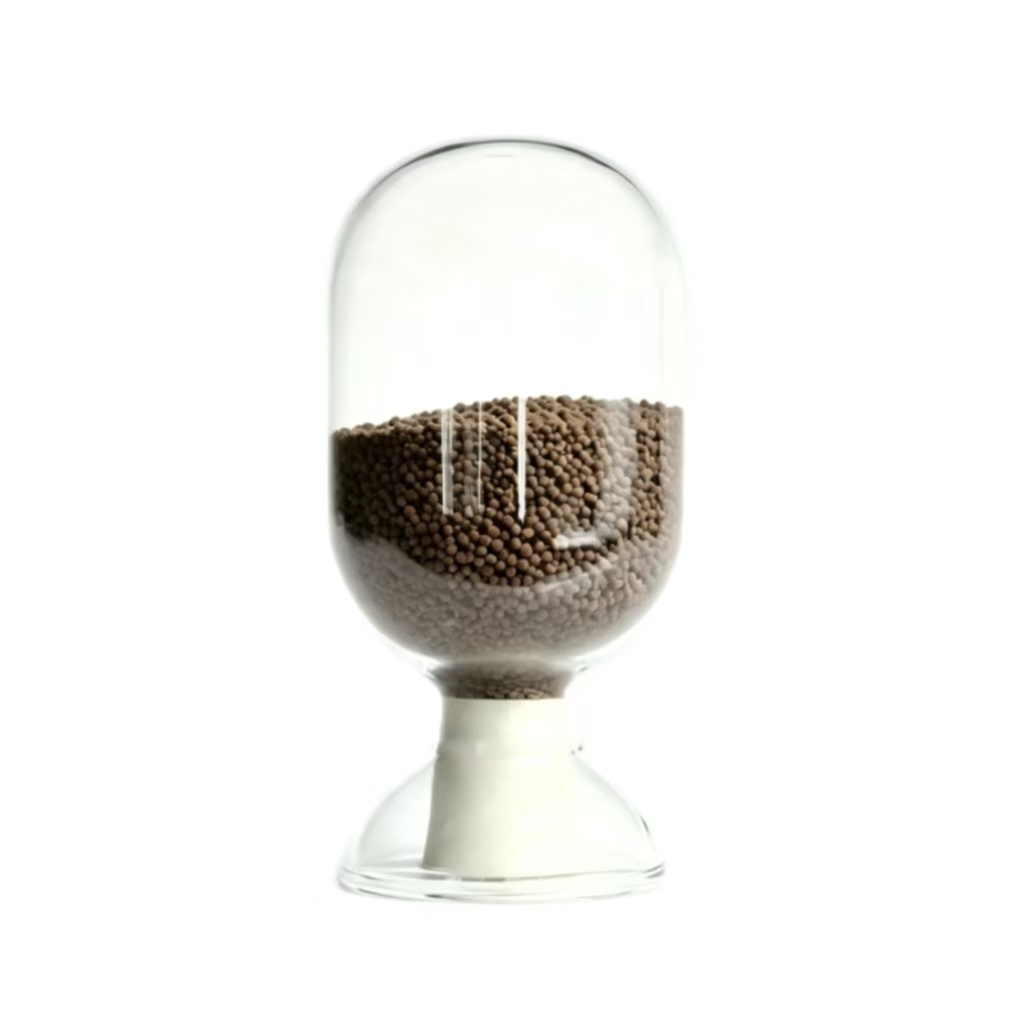
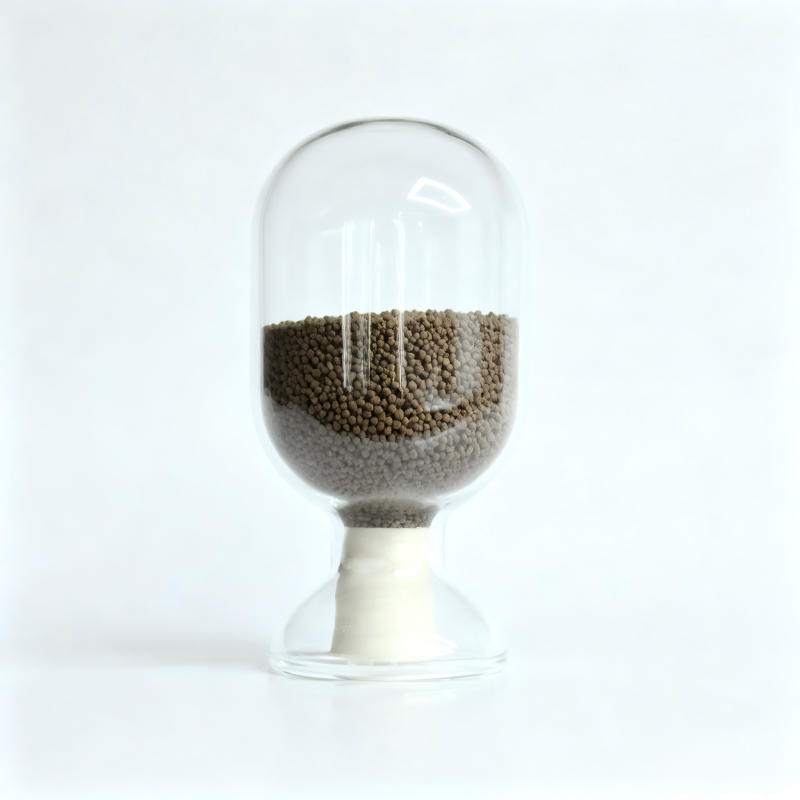
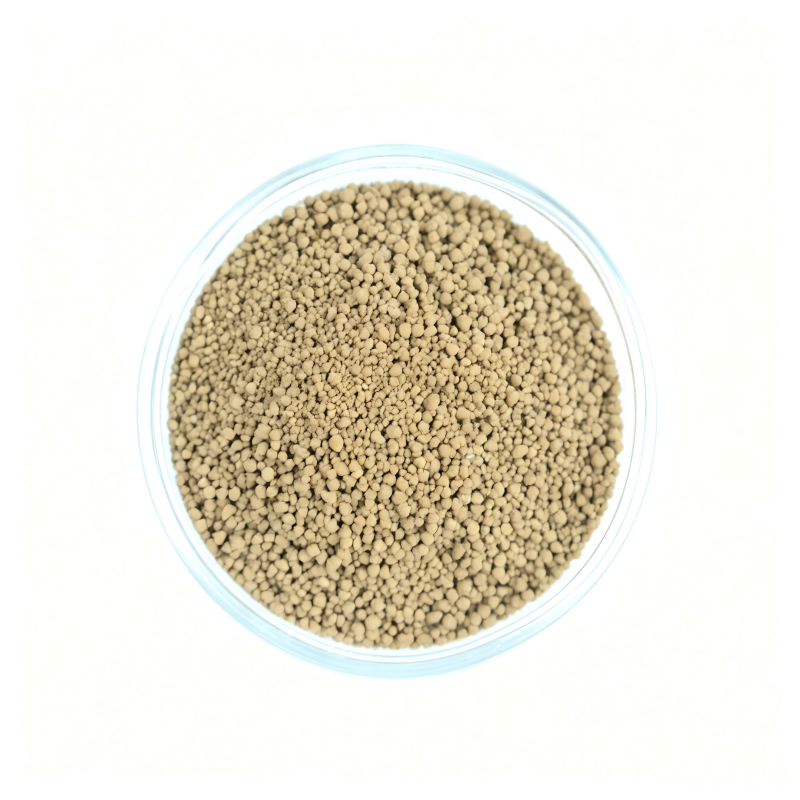
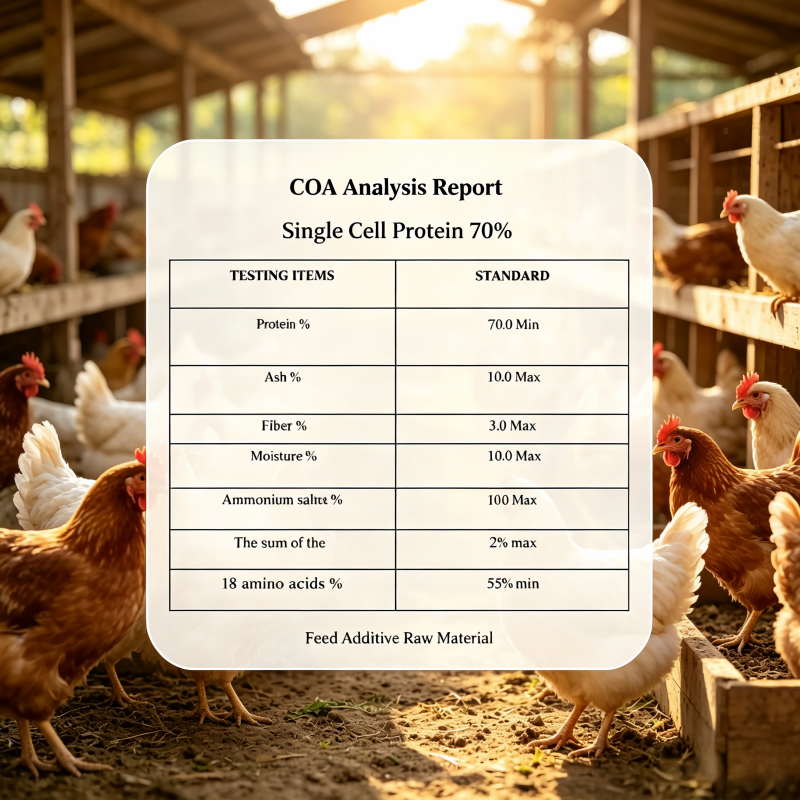
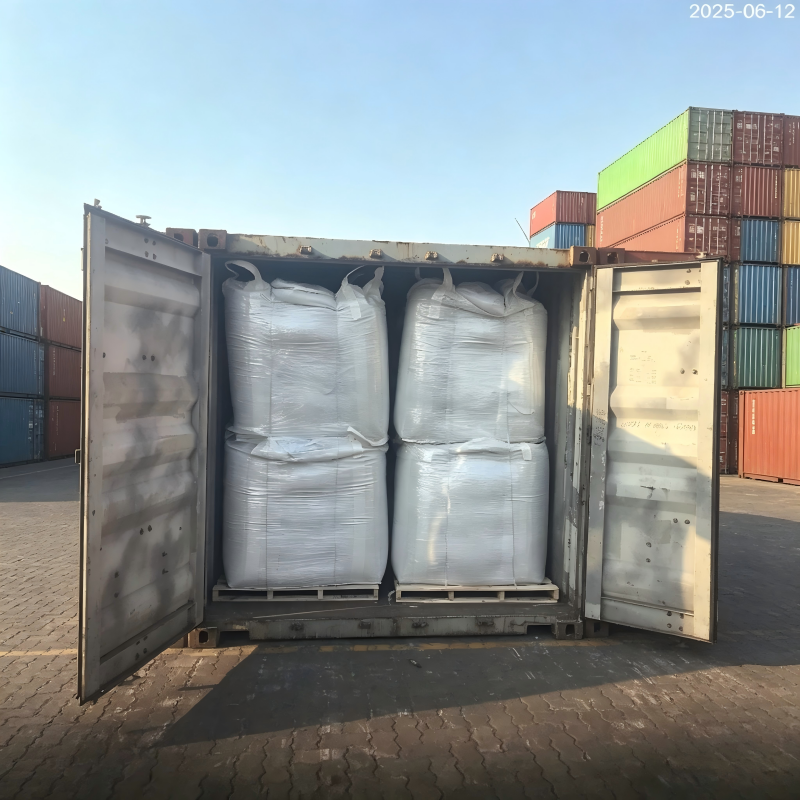
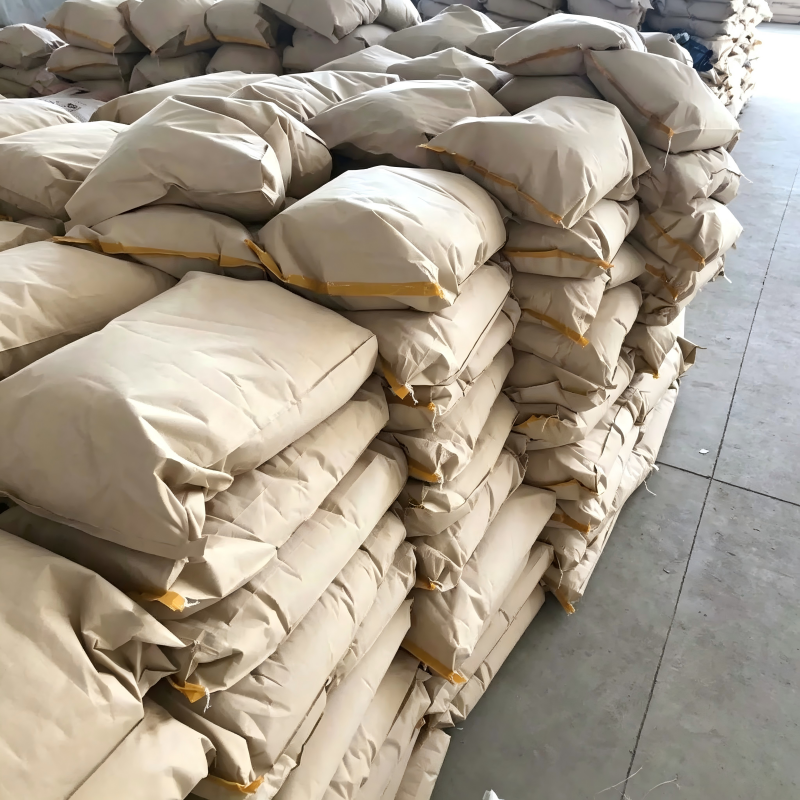
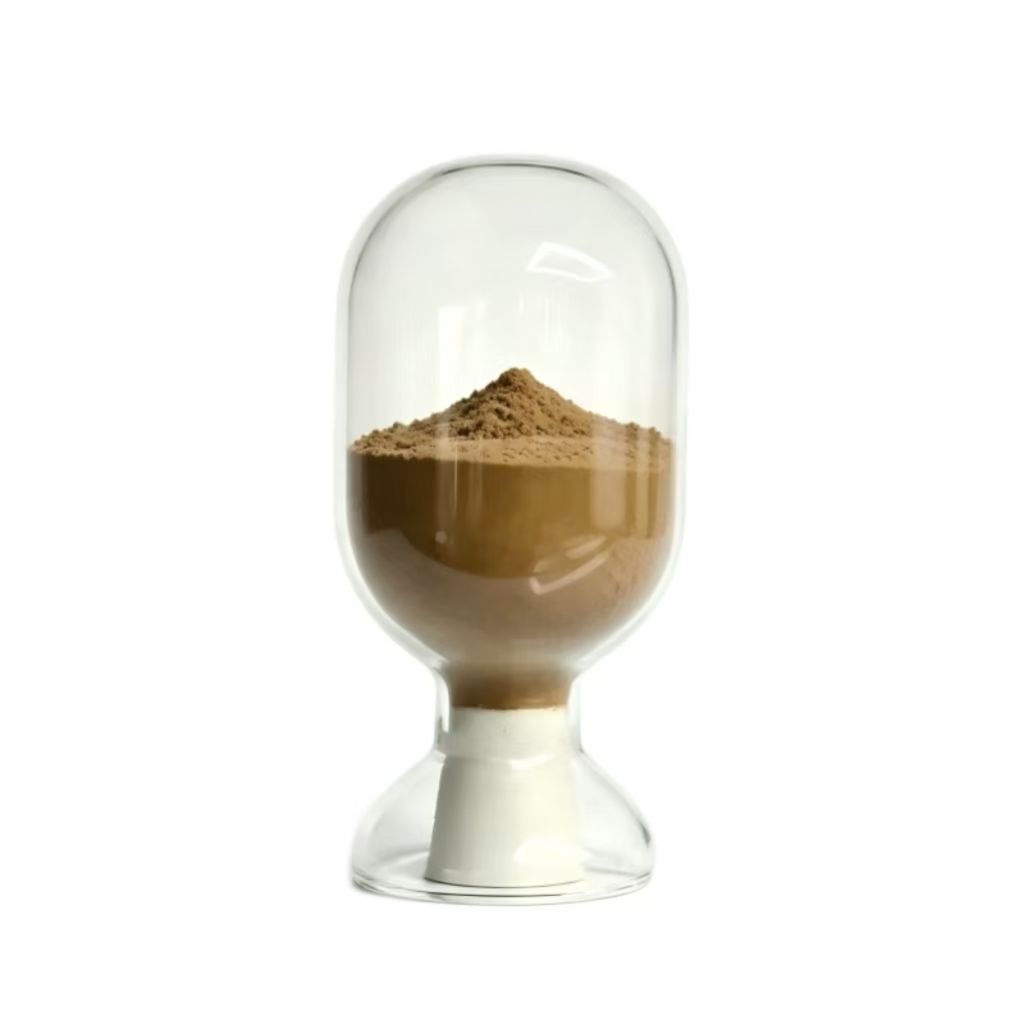
Glutamic Acid Residue 70% is a fungal protein product derived from the drying of MSG fermentation by-products; it contains at least 70% crude protein and is rich in free amino acids and small-molecule peptides, making it highly digestible.
Product detail:
Glutamate: A Specialized Energy Source for Intestinal Cells
Glutamate accounts for 20%–30% of total amino acids. Intestinal villus epithelial cells preferentially utilize glutamate for energy, facilitating the rapid repair of damaged intestinal mucosa, increasing villus height, and strengthening the intestinal barrier.
For nursery piglets and chicks: Significantly reduces the incidence of yellow/white scours and watery diarrhea.
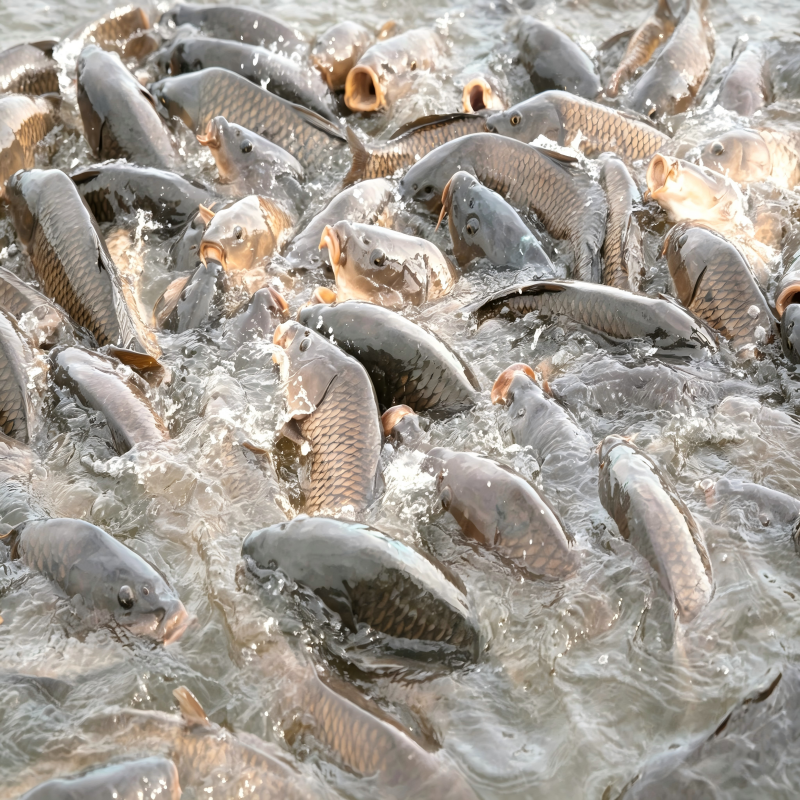
For fish and shrimp: Reduces enteritis, body rot, and mucus loss, while improving juvenile survival rates.
Natural Prebiotics for Gut Microbiota Regulation
The microbial cell walls contain chitin, mannan-oligosaccharides (MOS), and β-glucans. These promote the proliferation of beneficial bacteria (such as *Lactobacillus* and *Bifidobacterium*) and inhibit pathogens (such as *E. coli* and *Salmonella*), thereby reducing reliance on antibiotics.
Enhanced Digestion and Absorption
Contains endogenous digestive enzymes generated during fermentation that assist in breaking down proteins and starch. Proteins exist in the form of small-molecule peptides and free amino acids, allowing for direct absorption without extensive breakdown; protein digestibility exceeds 85%, reducing fecal nitrogen emissions and promoting environmental sustainability.
Free glutamate provides natural umami flavor and acts as a potent feed attractant:
For young animals (weaned piglets, chicks, fish/shrimp fry) and during periods of stress—such as group transfers, high temperatures, or transport—feed intake increases by 15%–22%, preventing feed refusal and growth stagnation.
It improves feed flavor, masks off-odors, and stimulates appetite, yielding particularly outstanding results in aquaculture and specialty animal farming. It accelerates growth, optimizes the feed conversion ratio (FCR), and shortens the time to market.
Full-spectrum amino acids promote muscle synthesis
Contains a complete profile of 18 amino acids; abundant small-molecule amino acids directly participate in muscle protein deposition:
Finishing pigs: Daily weight gain increases by 10%–13%, FCR improves (decreases) by 6%–9%, and time to market is reduced by 2–4 days.
Meat poultry (chickens/ducks): Faster weight gain, uniform market weight, and revitalization of weak chicks or ducklings.
Fish and shrimp: Growth rate increases by 10%–18%, size variation is minimized, and the culture cycle is shortened.
Synergistic effects of Unidentified Growth Factors (UGF): Fermentation metabolites contain natural UGFs that work synergistically with vitamins and coenzymes to boost metabolic efficiency; weight gain is significantly higher than that of pure soybean meal-based diets at the same level of feed intake.
Enhanced immunity, improved stress resistance, and reduced mortality/culling rates
Beta-glucans and nucleotides act as natural immunostimulants, activating lymphocytes and boosting antibody levels. They mitigate the secretion of stress hormones during challenges such as temperature fluctuations, group transfers, water changes, or vaccination, thereby reducing losses from disease and mortality.
Reduces sub-health conditions: Lowers the incidence of respiratory and digestive diseases in livestock and poultry, reduces explosive disease outbreaks in aquatic species, and ensures stable, uninterrupted growth throughout the production cycle.
Summary :
Piglets / Nursery Pigs (Inclusion rate: 3%–6%)
Prevents diarrhea, stimulates early feed intake, accelerates weight gain in weak pigs, and resolves growth stunting caused by weaning stress.
Meat and Egg Poultry (Inclusion rate: 2%–5%)
Increases feed intake and egg production; promotes glossy, uniform plumage; reduces mortality and culling rates.
Fish, Shrimp, and Aquatic Species (Inclusion rate: 3%–7%)
Acts as an appetite stimulant and supports gut health; reduces incidence of enteritis and gill rot; significantly improves survival rates of fry and juveniles.
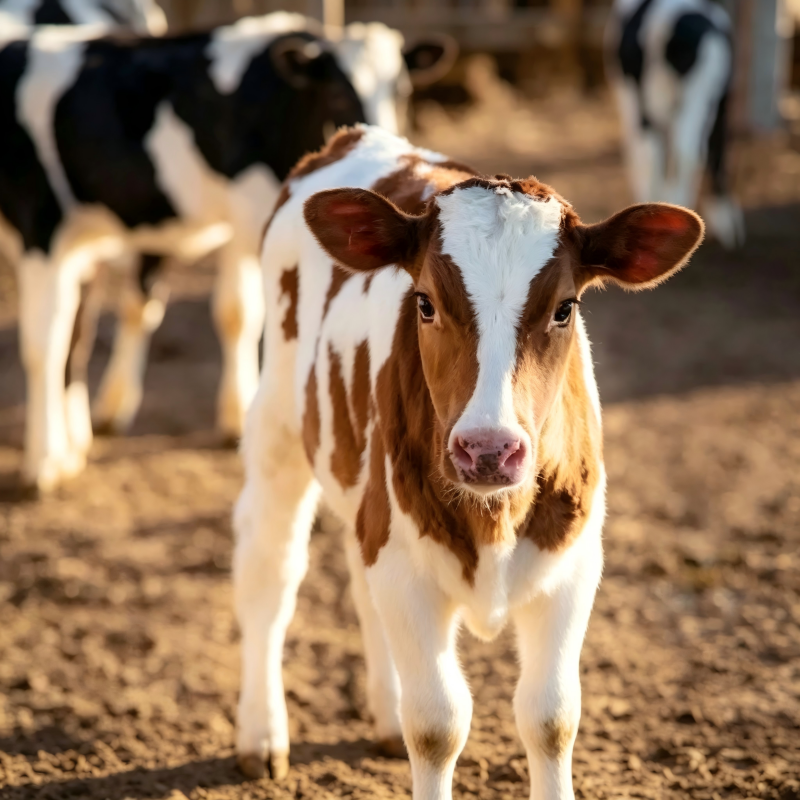
Cattle and Sheep (Ruminants) (Inclusion rate: 4%–8%)
Activates rumen function; boosts weight gain and milk yield; enhances the flavor of meat and milk.
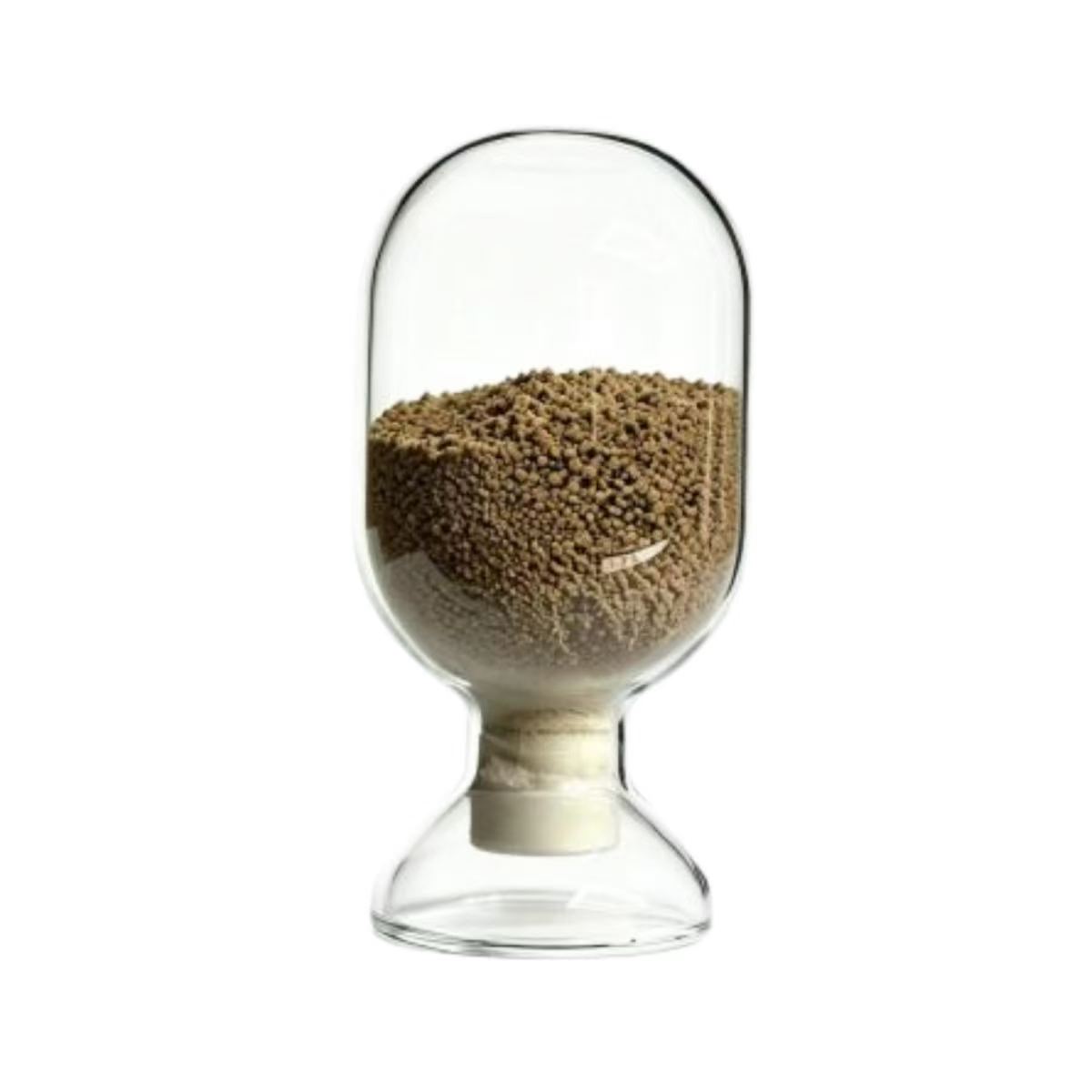
Lysine70%
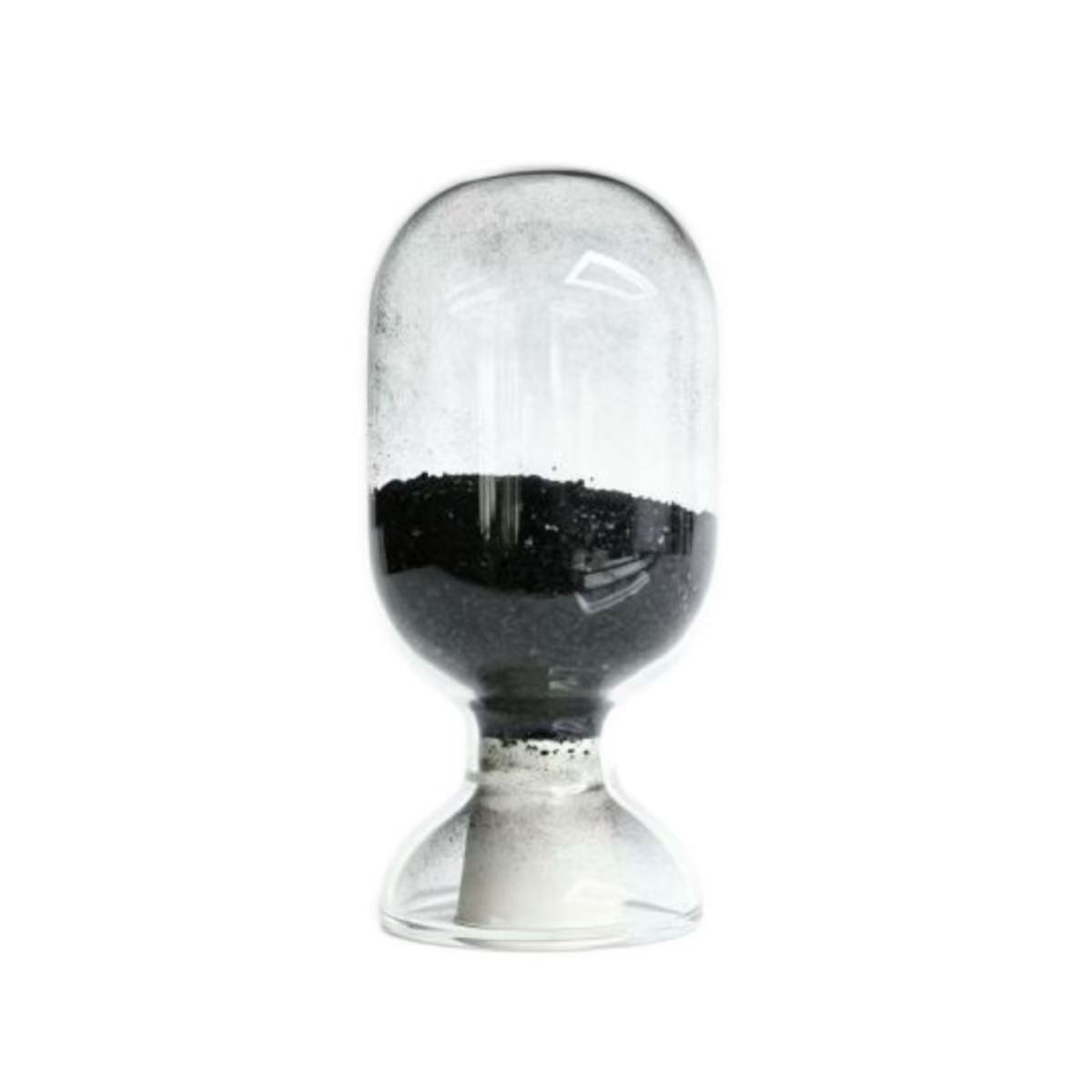
Potassium Fulvate
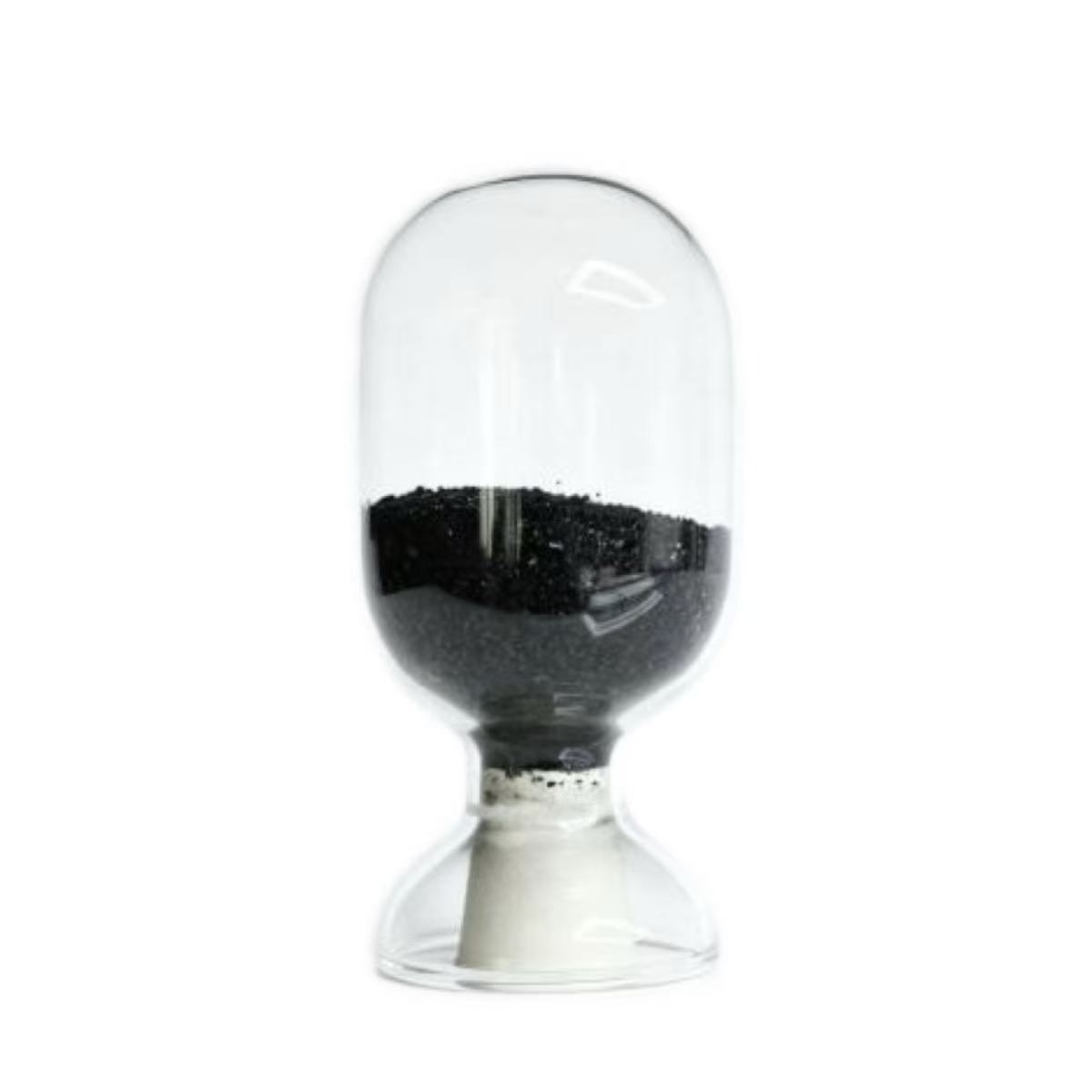
Sodium Humate
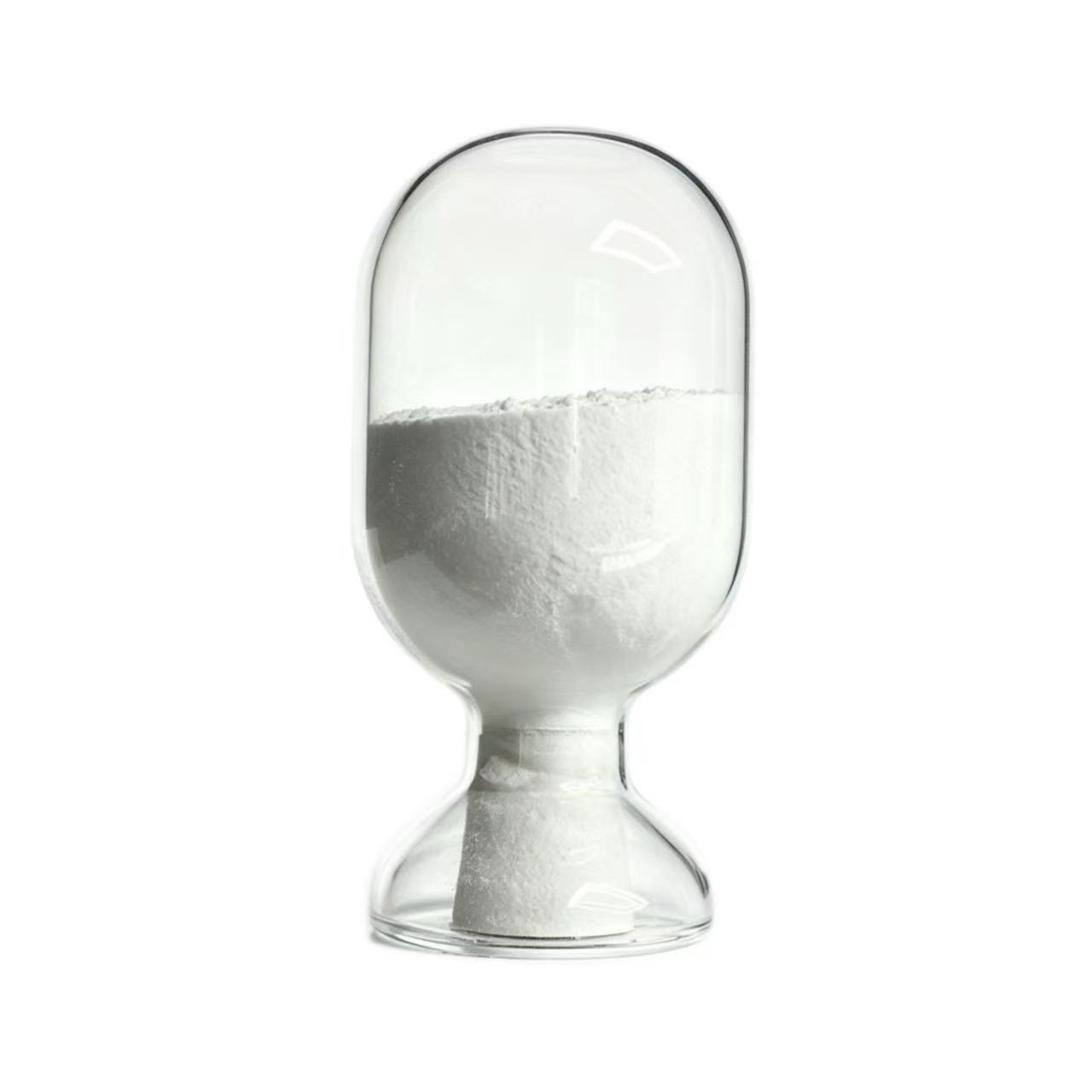
Allicin Powder
CSL Powder 42%
DL-Methionine 99%
 EN
EN
