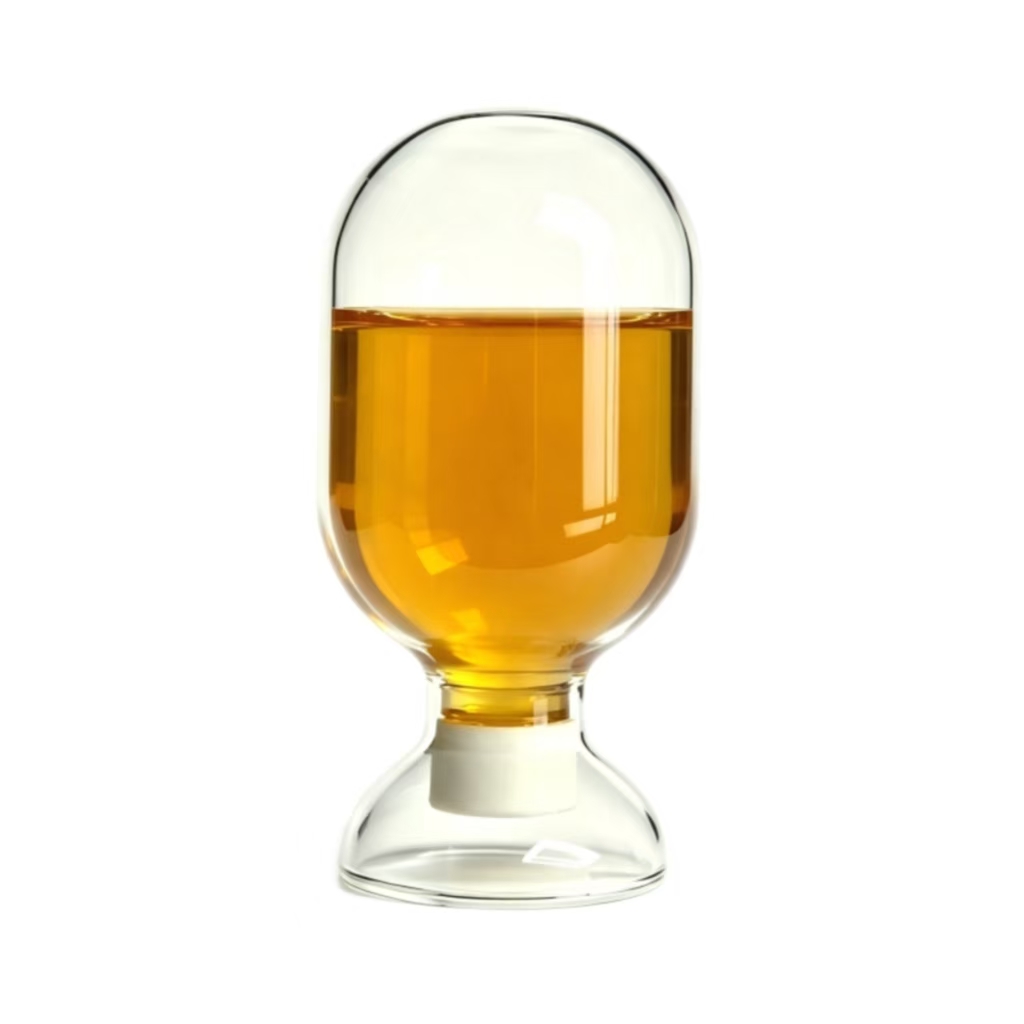
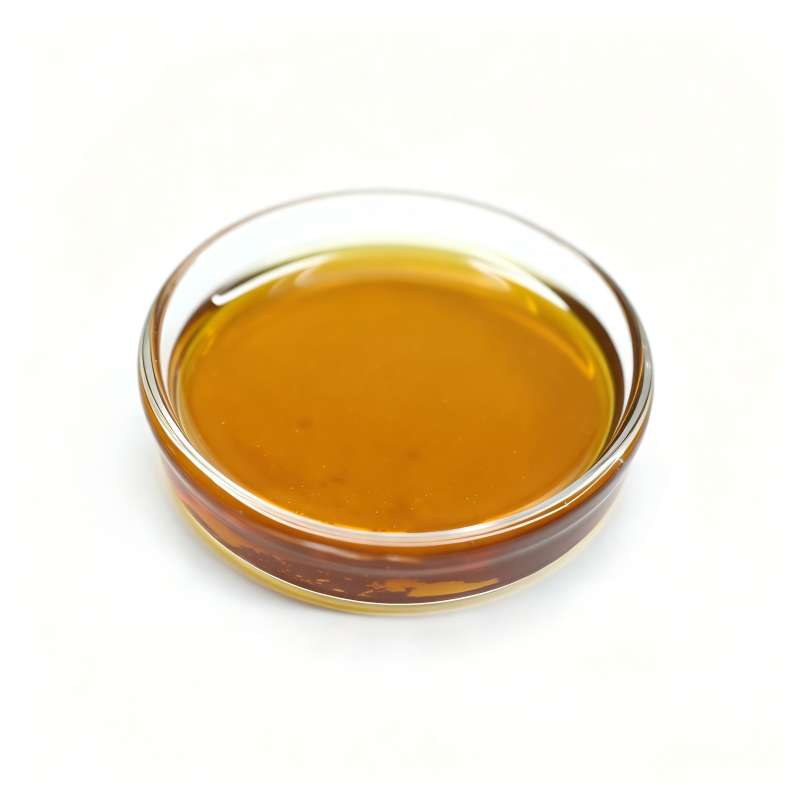
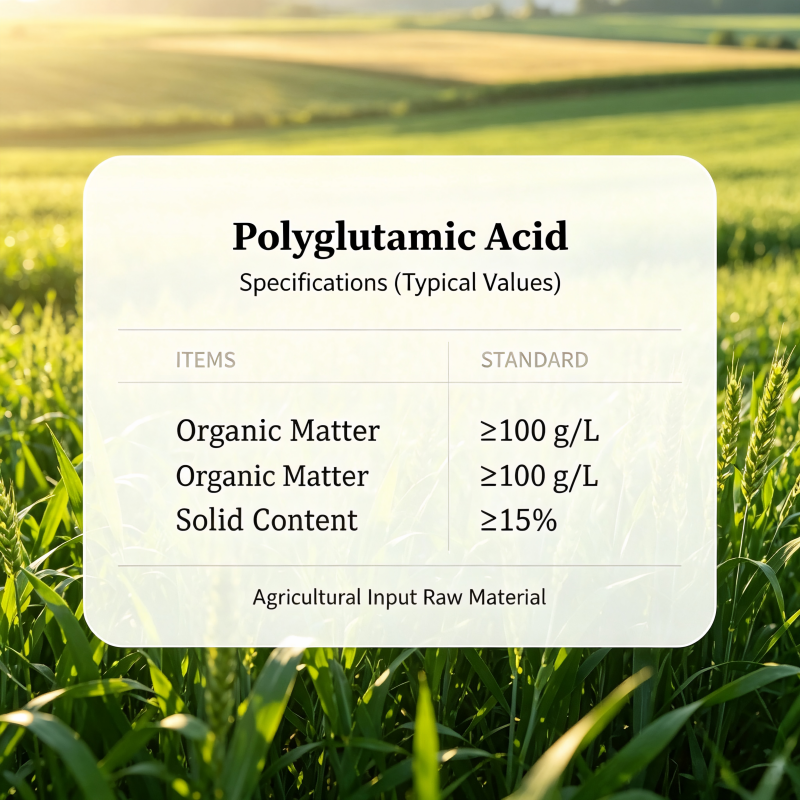
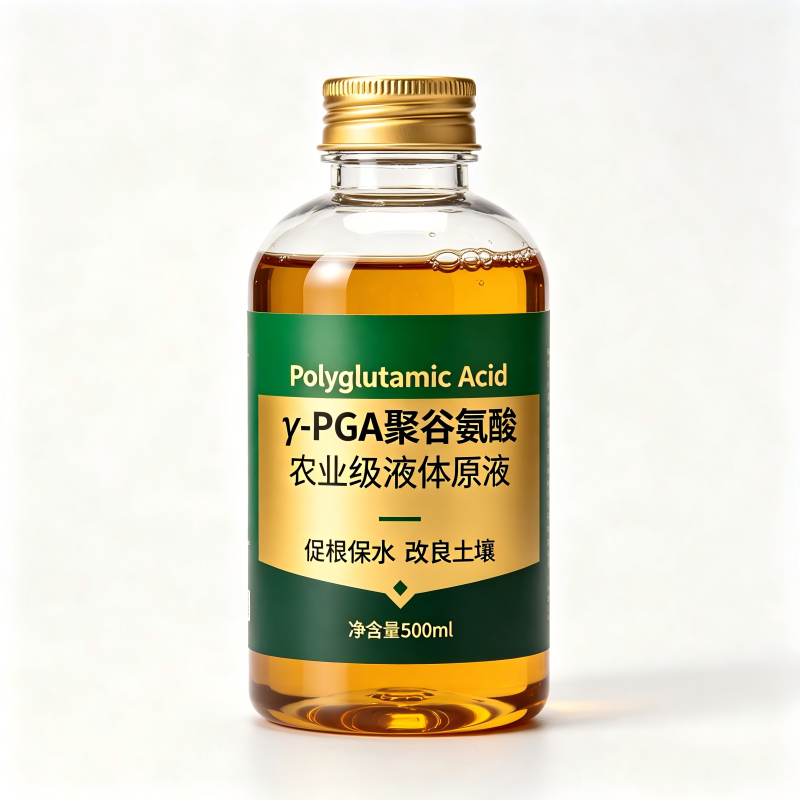
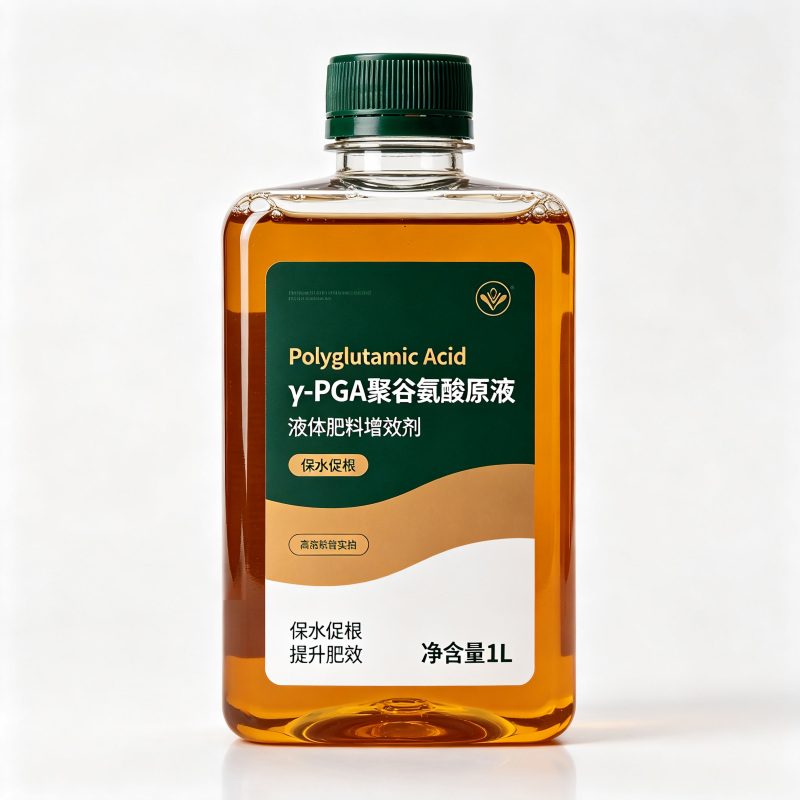
Polyglutamic acid (PGA) is a high-molecular-weight biostimulant synthesized from glutamic acid via microbial fermentation. As a fully water-soluble bio-enhancer, it can be used synergistically with compound fertilizers, water-soluble fertilizers, organic fertilizers, and chitooligosaccharides. Its core functions include moisture and nutrient retention, root promotion, efficiency enhancement, soil improvement, stress resistance, and quality enhancement, making it an essential raw material for large-scale cultivation and integrated water-and-fertilizer management systems.
Product Detail:
Superior water absorption and nutrient retention, significantly boosting fertilizer efficiency (Core Advantage)
Molecular side chains feature abundant carboxyl groups; 1g of polyglutamic acid can absorb 500–1,000g of water, forming a moisture-and-nutrient film on the root surface:
Chelates and immobilizes soil nitrogen, phosphorus, potassium, calcium, magnesium, and trace elements, reducing leaching and soil compaction; nitrogen fertilizer efficiency increases by 7%–12%, while overall fertilizer efficiency rises from 30% to 45%–50%;
Enables slow, sustained nutrient release—providing nutrition for 25–40 days after a single application—and allows for a 15%–30% reduction in chemical fertilizer usage, thereby lowering cultivation costs and mitigating non-point source pollution;
Retains water in sandy soils and loosens/aerates clay soils; extends irrigation intervals by 50% in arid regions, delivering outstanding water-saving results.
Fully water-soluble and highly compatible; suitable for all fertilization methods
Dissolves completely in cold water without residue, preventing clogs in drip, sprinkler, or micro-spray irrigation lines—perfect for integrated water-and-fertilizer systems;
Compatible with macronutrients, amino acids, chitooligosaccharides, microbial agents, secondary/trace elements, and most pesticides, with no antagonistic reactions;
Available in liquid and powder forms; suitable for industrial production of enhanced compound fertilizers and water-soluble fertilizers, as well as for direct application by farmers via fertigation, foliar spraying, or seed coating;
Derived from fermented biological sources; biodegradable and residue-free, meeting standards for green and organic farming certifications. Dual-action soil improvement: remediates acidic, saline, and compacted soils
pH buffering: buffers against strongly acidic or alkaline soils, neutralizes soil acidification caused by long-term chemical fertilizer use, and eliminates surface moss and white salt crusts (salinization);
Optimizes aggregate structure: promotes the formation of soil micro-aggregates, loosening and aerating clay soils while improving water and nutrient retention in sandy soils;
Activates beneficial microbial communities: supplies carbon and nitrogen to soil *Bacillus* and actinomycetes, inhibits harmful soil-borne pathogens such as *Fusarium* and *Phytophthora*, and alleviates crop failure caused by continuous cropping;
Immobilizes heavy metals: strongly chelates heavy metal ions (e.g., Pb, Cd, Cu, Al), blocks the migration of heavy metals into fruit, vegetable, and grain tissues, and enhances the safety profile of agricultural produce.
Natural biostimulant: hormone-free and does not induce resistance
Unlike chemical rooting agents, PGA degrades into glutamic acid, which is directly absorbed and utilized by crops; it promotes growth by regulating endogenous auxins and cytokinins, causes no resistance with long-term continuous use, and is suitable for application throughout all stages of the crop growth cycle.
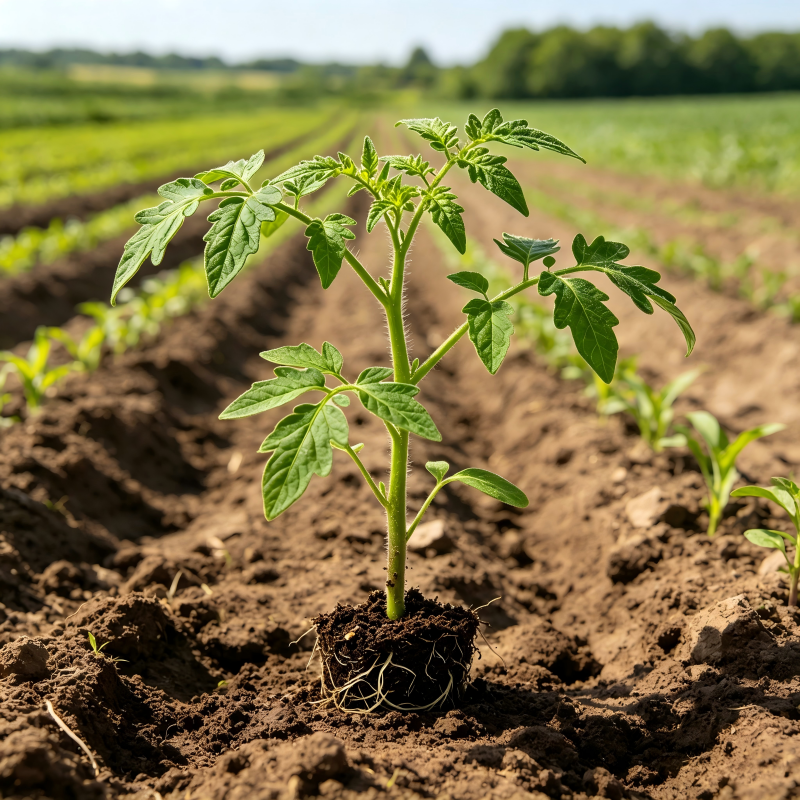
Stimulates the secretion of endogenous auxins; increases the number of fine roots by 30%–50% within 7 days; promotes taproot elongation and dense fibrous root growth, significantly expanding the root absorption area;
Root drenching during seedling raising or transplanting shortens the recovery period by 2–4 days and rapidly revitalizes weak, yellowing, or stunted seedlings;
Forms a protective root film that reduces root rot and waterlogging damage, significantly improving root survival rates in waterlogged or low-temperature environments;
Yield increases are most pronounced in root and tuber crops;
Application results in leaf thickening, increased chlorophyll content, and enhanced photosynthetic intensity within 5–7 days;
Promotes sturdy stems and short internodes during the seedling stage, preventing leggy growth;
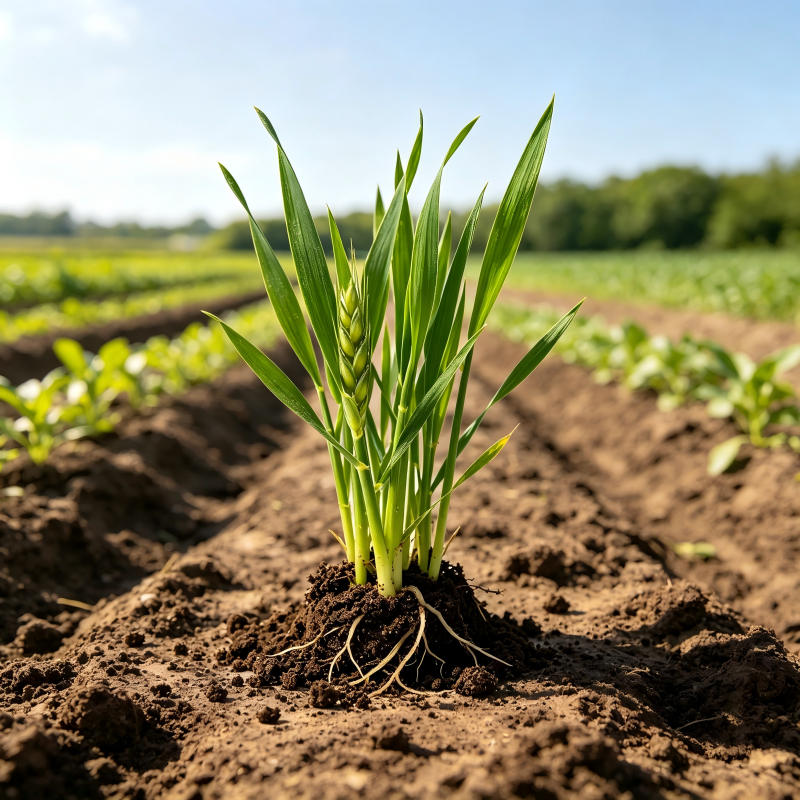
Prevents premature senescence in later stages and extends the functional lifespan of leaves; increases the thousand-grain weight of wheat and rice, and ensures a continuous nutrient supply during fruit expansion;
Alleviates yellowing caused by pesticide or fertilizer toxicity and rapidly restores plant vigor.
Activates the plant's endogenous antioxidant enzyme systems (SOD, POD), providing multi-faceted stress protection:
Drought and waterlogging resistance: Roots retain moisture, preventing wilting during drought and reducing root rot in waterlogged soil;
Cold and frost resistance: Buffers against damage from "late spring cold snaps" and early autumn frosts, reducing flower and fruit drop;
Salt and alkali tolerance: Balances rhizosphere osmotic pressure, significantly improving seedling emergence and fruit set rates in saline-alkali soils;
Soil-borne disease resistance: Lowers the incidence of wilt, root rot, gummy stem blight, and root-knot nematode infestations, reducing the need for pesticides.
Summary:
Polyglutamic acid is not merely a fertilizer enhancer; it is a multifunctional biostimulant that integrates water and fertilizer conservation, soil improvement, vigorous root development, stress resistance and yield enhancement, as well as quality preservation. Suitable for all application scenarios—including drip irrigation, foliar spraying, and basal fertilization—it is compatible with various fertilizers and pesticides. It helps reduce chemical fertilizer usage and restore degraded farmland while consistently boosting crop yields and the market value of produce, making it ideal for open-field farming, greenhouse cultivation, orchards, and other planting environments.
Amino Acid Selenium-Enriched Nutrient Solution
Potassium Fulvate
Allicin Powder
TCP 18% Feed Additive
Threonine 99%
Mycoprotein 70%
 EN
EN
