 EN
EN

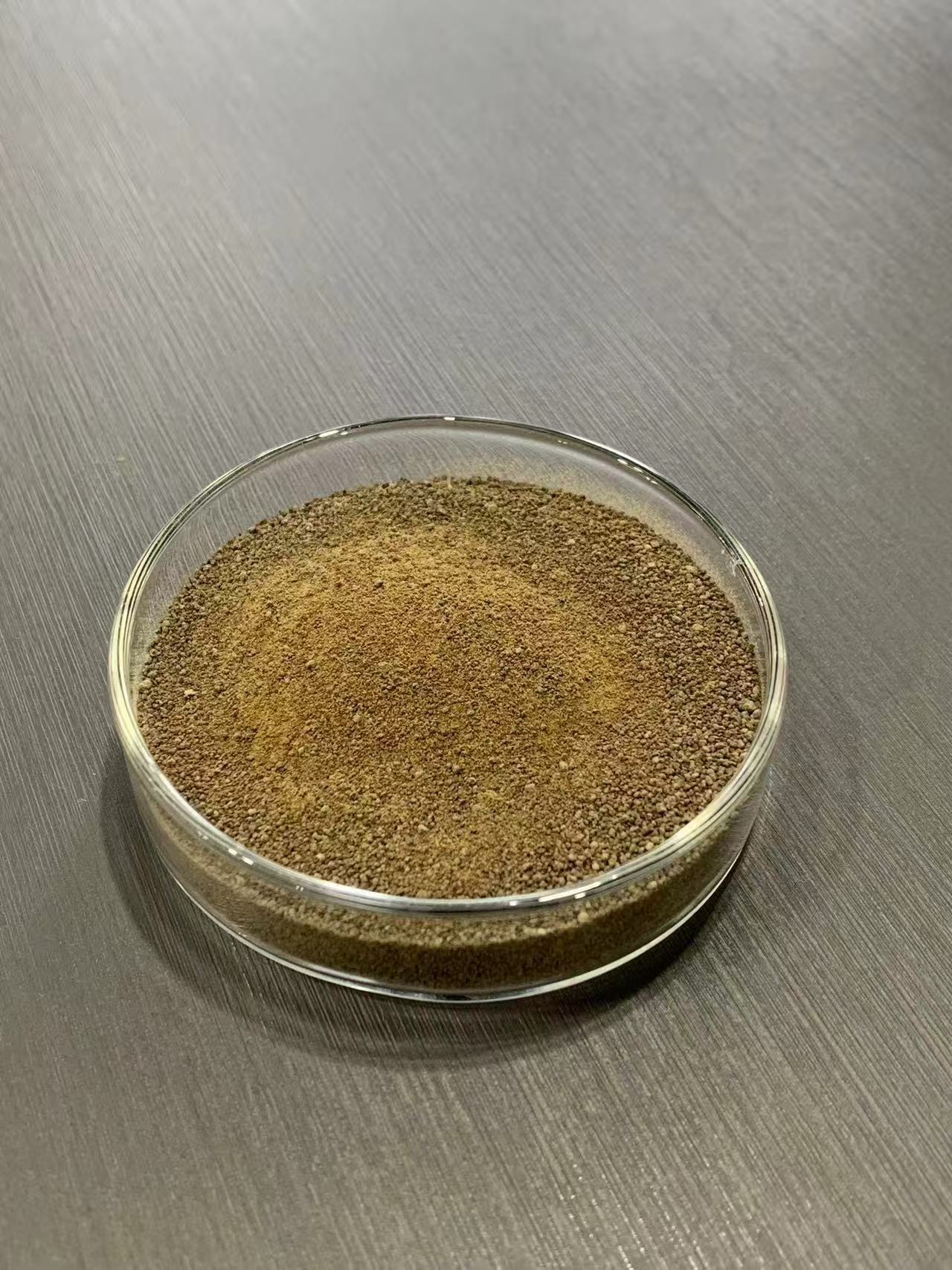
Why Mycoprotein Is a Strategic Alternative to Conventional Protein Sources
Mycoprotein—produced via aerobic fermentation of Fusarium venenatum—delivers a PDCAAS of 0.996, matching the quality of animal proteins, and contains a balanced profile of all essential amino acids. It is naturally rich in dietary fiber (≈6%), low in saturated fat, and provides bioavailable iron, zinc, and B vitamins (Finnigan et al., 2019). Unlike soybean meal or fishmeal, mycoprotein requires no arable land and uses minimal water, generating a carbon footprint up to 10× lower than beef and 4× lower than chicken (2024). This decouples feed production from volatile commodity markets and climate-related supply risks. Its controlled fermentation ensures batch-to-batch consistency, eliminates anti-nutritional factors, and enables precise partial substitution of conventional proteins. For feed manufacturers, mycoprotein serves as a strategic lever: it reduces environmental impact, stabilizes input costs, and supports animal health through functional fibers that enhance gut integrity. Its resilience to drought and flooding further bolsters supply reliability in climate-vulnerable regions, while its low allergenic potential minimizes safety concerns. With GRAS status and validated inclusion rates of up to 30% in aquafeeds and poultry diets, mycoprotein is a practical, scalable solution aligned with global sustainability mandates and rising consumer demand for responsibly produced animal products.
Mycoprotein in Aquafeed: Performance, Substitution Limits, and Real-World Validation
Nutritional equivalence and bioactive benefits vs. fishmeal
Mycoprotein contains 45–55% protein with an amino acid profile closely aligned to fishmeal—including adequate lysine and methionine—and its low lipid content helps reduce oxidative stress in feed. Beyond macronutrient value, fungal biomass exerts immunomodulatory effects: trials show fish fed mycoprotein exhibit higher phagocyte activity, elevated lysozyme levels, and increased antimicrobial peptide production—strengthening innate immunity and lowering disease-related mortality. It also promotes beneficial gut bacteria and improves intestinal integrity, supporting nutrient absorption and reducing reliance on prophylactic antibiotics. However, chitin in the fungal cell wall can limit digestibility at high inclusion levels. Enzymatic pre-treatment or optimized fermentation enhances digestibility and palatability, allowing mycoprotein to match fishmeal nutritionally while delivering functional health advantages unavailable in conventional proteins.
Atlantic salmon case study: 30% mycoprotein replacement improves FCR by 12%
In a commercial-scale trial, replacing 30% of fishmeal with mycoprotein in Atlantic salmon diets yielded a 12% improvement in feed conversion ratio (FCR) over 12 weeks, with no compromise in growth rate or survival (>98%). Gut histology revealed longer villi and a thicker mucosal layer—signs of enhanced gut health—and microbiome analysis showed increased abundance of lactic acid bacteria linked to improved nutrient utilization. Feed intake and palatability remained unaffected. These results confirm that 30% substitution is not only technically feasible but economically advantageous—delivering measurable gains in efficiency and gut resilience without trade-offs in performance.
Mycoprotein for Poultry Diets: Growth Response, Gut Health, and Inclusion Thresholds
Mycoprotein functions as a dual-purpose ingredient in poultry rations—supporting both growth and gut health when included within evidence-based thresholds. The following sections summarize findings from broiler trials and define safe, effective inclusion ranges.
Broiler meta-analysis: 5–10% inclusion enhances weight gain (+8.3%) and intestinal integrity
A 2023 meta-analysis of broiler feeding trials found that substituting 5–10% of conventional protein with mycoprotein increased average daily weight gain by 8.3% and improved FCR by 6.5%. At this range, intestinal morphology significantly improved: villus height rose 12–15%, crypt depth decreased, and the villus-to-crypt ratio increased—indicating enhanced absorptive capacity and barrier function. These changes are attributed to mycoprotein’s balanced amino acid profile and fermentable fiber fraction, which stimulates butyrate-producing bacteria and upregulates tight-junction protein expression. The result is reduced intestinal permeability, improved nutrient absorption, and consistent performance gains—without antibiotic growth promoters.
Risk assessment: Immune modulation vs. anti-nutritional effects above 15% inclusion
Beyond 15%, inclusion levels introduce elevated chitin and nucleic acid content, triggering an innate immune response that may shift from beneficial priming to chronic inflammation. Studies report increased pro-inflammatory cytokines and a 5–8% reduction in weight gain at 20% inclusion—suggesting energy diversion from growth. In contrast, the 5–10% window appears to optimally prime immunity: enhancing vaccine responses and pathogen resistance without overstimulation. A phased, species-specific approach to inclusion ensures these immune-modulating benefits are harnessed safely and effectively.
Optimizing Mycoprotein Integration: Processing, Digestibility, and Practical Formulation Guidelines
Thermal stability, enzymatic pre-treatment, and amino acid bioavailability
Mycoprotein responds well to targeted processing. Moderate thermal treatment (70–80°C) releases β-glucans from fungal cell walls, amplifying intestinal health benefits (University of East Anglia, 2022). However, excessive heat risks denaturing sensitive amino acids—particularly lysine—reducing bioavailability. Enzymatic pre-treatment with cellulases or proteases degrades the chitin-rich cell wall, boosting protein digestibility by up to 15% in monogastric trials. Amino acid profiles remain robust, with lysine and methionine levels comparable to fishmeal. Overall protein digestibility exceeds 85%, supported by the intact hyphal structure that enables gradual peptide release during digestion—promoting sustained amino acid absorption and minimizing postprandial ammonia spikes.
Step-by-step inclusion strategy: starter → grower → finisher phase adjustments
Adopt a phased inclusion strategy to maximize adaptation and cost-efficiency. In starter diets, begin with 3–5% mycoprotein to support early gut development without exceeding digestive capacity. After a 2-week adaptation period, increase to 8–12% in grower formulations—this level consistently delivers the +8.3% weight gain and intestinal improvements documented in broiler trials. In finisher phases, reduce to 5–8% to avoid potential anti-nutritional effects associated with sustained >15% inclusion. Monitor fecal consistency and growth rates closely during each transition. For aquafeed, the validated 30% fishmeal replacement in Atlantic salmon requires concurrent enzyme supplementation—but such high rates remain species- and strain-specific. Always tailor inclusion based on the mycoprotein source, target species physiology, and production goals.
FAQ
What is mycoprotein?
Mycoprotein is a protein derived from the aerobic fermentation of the fungus Fusarium venenatum. It is rich in essential amino acids, dietary fiber, and bioavailable nutrients like iron and B vitamins.
How does mycoprotein benefit animal feed manufacturers?
Mycoprotein reduces environmental impact, stabilizes input costs, enhances gut health, and offers a consistent and scalable protein source resistant to climate-driven supply risks.
What are the validated inclusion rates for mycoprotein?
In aquafeeds, validated rates reach up to 30%, while optimal inclusion ranges for poultry diets are often within 5–10%, supporting growth and gut health enhancements.
What challenges are associated with high levels of mycoprotein inclusion?
High inclusion rates can introduce anti-nutritional factors such as chitin, which may limit digestibility and trigger excessive immune responses.
How can digestibility be improved for mycoprotein?
Enzymatic pre-treatment with cellulases or proteases significantly improves digestibility by breaking down the chitin-rich cell walls in mycoprotein.
Table of Contents
- Why Mycoprotein Is a Strategic Alternative to Conventional Protein Sources
- Mycoprotein in Aquafeed: Performance, Substitution Limits, and Real-World Validation
- Mycoprotein for Poultry Diets: Growth Response, Gut Health, and Inclusion Thresholds
- Optimizing Mycoprotein Integration: Processing, Digestibility, and Practical Formulation Guidelines
- FAQ