 EN
EN

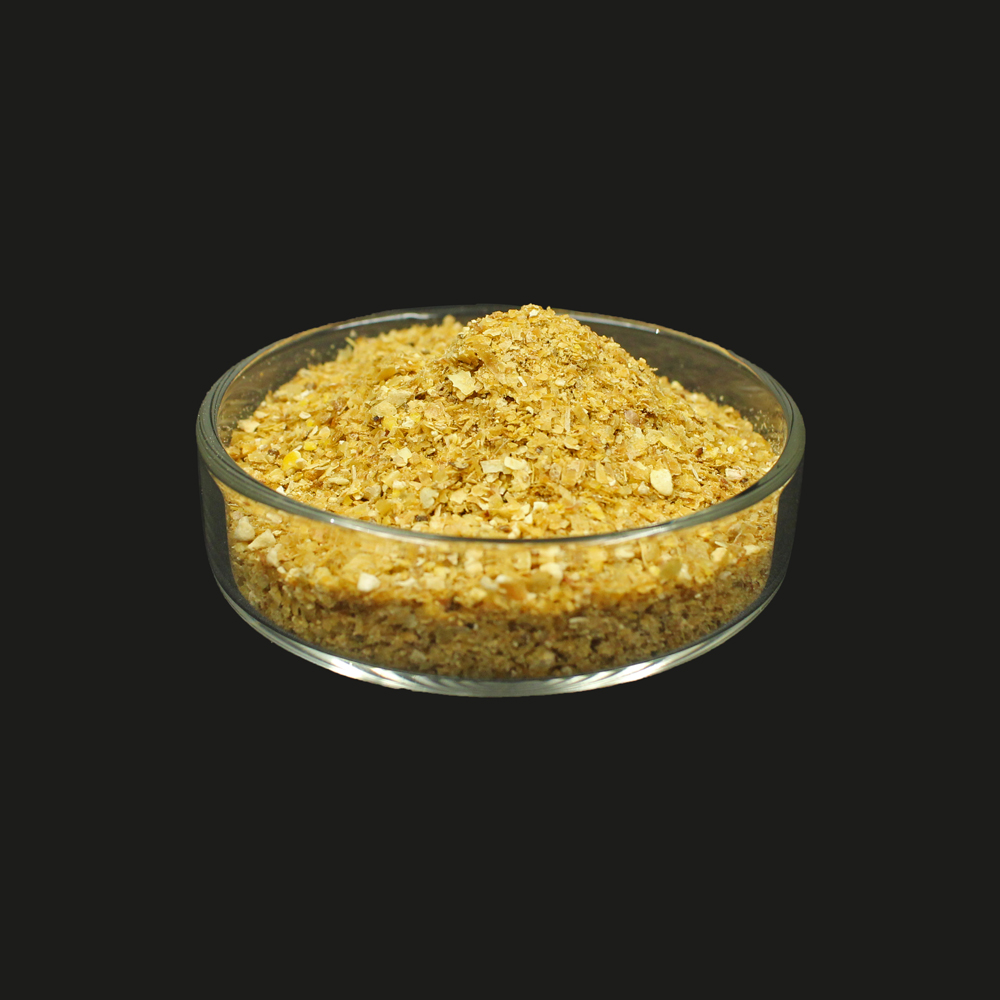
Understanding Corn Gluten Meal 60%: Protein Quality, Limiting Amino Acids, and Digestibility
Crude protein content, digestibility, and amino acid profile of 60% corn gluten meal
Corn gluten meal 60% is a concentrated protein source derived from the wet-milling of corn, containing 60–65% crude protein on a dry matter basis. Its low fiber (1–3%) and minimal ash (1–2%) contribute to high digestibility—typically exceeding 85% for protein and amino acids—in both monogastric and ruminant diets. The amino acid profile is distinctive: rich in methionine (2.5–3.0% of crude protein) and glutamic acid, which supports energy metabolism and gut health. However, it is markedly deficient in lysine and tryptophan—the first and second limiting amino acids for swine and poultry—necessitating strategic supplementation. Corn gluten meal also provides natural xanthophylls (e.g., lutein), enhancing yolk and skin pigmentation in poultry. This combination of high protein density, rapid digestibility, and functional phytonutrients makes it a valuable, targeted ingredient when balanced with complementary protein sources.
Lysine deficiency in corn gluten meal and implications for monogastric growth performance
Lysine is the primary nutritional constraint of corn gluten meal in monogastric diets. With only 1.0–1.5% lysine relative to crude protein—well below the 5.0–5.5% requirement for optimal broiler or pig growth—its inclusion without correction depresses feed intake, daily gain, and feed conversion. Research shows that exceeding safe inclusion thresholds (5–12%, depending on species and stage) by just 1% can reduce growth rate by 2–3% unless lysine is fully supplemented. Even with crystalline lysine addition, imbalances in branched-chain amino acids may further constrain protein synthesis. Therefore, precise formulation aligned with the ideal protein concept—not merely meeting lysine minimums—is essential to direct dietary nitrogen toward lean tissue accretion rather than metabolic waste.
Methionine–cysteine imbalance and sulfur-related metabolic risks in high-corn-gluten-meal diets
Although corn gluten meal is naturally high in methionine, its methionine-to-cysteine ratio often exceeds physiological needs, disrupting sulfur amino acid metabolism. Excess methionine forces reliance on the transsulfuration pathway to generate cysteine, increasing homocysteine production and oxidative stress. In poultry and swine fed diets with >15% corn gluten meal, elevated plasma homocysteine has been associated with impaired feathering, reduced immune responsiveness, and suboptimal nitrogen retention. An imbalanced methionine:cysteine ratio—particularly above 60:40—can also antagonize utilization of other amino acids. To mitigate these risks, formulators should ensure adequate total sulfur amino acid supply while maintaining balance, using synthetic cysteine or blending with canola meal, which offers a more favorable methionine:cysteine ratio and digestible fiber. Doing so supports hepatic function, improves nitrogen efficiency, and sustains feed efficiency at higher inclusion levels.
Species-Appropriate Inclusion Rates for Corn Gluten Meal in Feed Formulation
Ruminants: Maximizing rumen-undegradable protein from corn gluten meal in dairy cows and small ruminants
Corn gluten meal supplies ~55–60% rumen-undegradable protein (RUP), delivering essential amino acids directly to the small intestine for milk protein synthesis in lactating dairy cows and lean tissue growth in sheep and goats. Inclusion at 5–10% of total dry matter in dairy rations enhances metabolizable protein supply without impairing fiber digestion—provided sufficient rumen-degradable protein (RDP) is included from forages or urea. For small ruminants, 5–8% inclusion improves growth rates and feed cost efficiency. However, exceeding 12% dry matter may lower ruminal pH and depress fiber fermentation; thus, balancing with quality forage and non-structural carbohydrates remains critical. Its high digestible energy also helps meet elevated demands during early lactation or rapid growth, reinforcing its role as a cost-effective, high-RUP strategic protein source.
Swine and poultry: Safe corn gluten meal inclusion limits (5–12%) and synthetic amino acid supplementation guidelines
Corn gluten meal’s lysine and tryptophan deficiencies require disciplined formulation and targeted amino acid supplementation in monogastric diets. The table below outlines evidence-based maximum inclusion rates and corresponding supplementation strategies:
| Species / Stage | Maximum Inclusion Rate (%) | Key Amino Acid Supplementation |
|---|---|---|
| Swine, nursery | 5 | L-lysine HCl, DL-methionine |
| Swine, grow-finish | 8 | L-lysine HCl, L-threonine as needed |
| Broilers | 10 | L-lysine HCl, DL-methionine, L-threonine |
| Laying hens | 12 | L-lysine HCl, DL-methionine, monitor tryptophan |
Exceeding these levels without correction consistently reduces feed efficiency and growth. For swine, L-lysine HCl is typically added at 0.15–0.25% of the diet; in poultry, supplementing with DL-methionine and L-threonine—alongside lysine—optimizes breast meat yield and egg mass output. A 2023 meta-analysis confirmed that broiler diets containing 10% corn gluten meal and properly balanced with lysine and methionine achieved weight gain equivalent to soybean meal–based controls, validating its efficacy within defined formulation boundaries.
Strategic Blending: Complementary Ingredients to Balance Corn Gluten Meal Diets
Synergistic feed combinations: Soybean meal, canola meal, and fiber moderators to offset corn gluten meal limitations
Corn gluten meal’s nutritional strengths—high crude protein, RUP, and digestible energy—are best leveraged through intentional blending. Soybean meal remains the most effective complement for monogastrics and ruminants alike, supplying the lysine corn gluten meal lacks. Canola meal adds digestible fiber, phosphorus, and a more balanced sulfur amino acid profile—offsetting methionine excess while supporting gut health. In dairy rations, blends incorporating corn gluten meal (e.g., 1.03% of DM), soybean meal, canola meal, alfalfa hay, and wet brewers’ grain have improved nitrogen utilization and stabilized rumen pH [Frontiers in Veterinary Science, 2026]. For swine and poultry, pairing corn gluten meal at 5–12% with soybean meal and crystalline amino acids reliably meets nutrient requirements without compromising intake or performance. Fiber-rich byproducts—including wheat bran, beet pulp, or oat hulls—further moderate passage rate and reduce hindgut acidosis risk when corn gluten meal partially replaces cereal grains.
Measuring Success: Feed Efficiency, Growth Performance, and Economic Returns with Corn Gluten Meal
Validating corn gluten meal’s value requires tracking three interlinked metrics: feed efficiency, growth or production performance, and economic return per unit of output. In ruminants, its high RUP fraction elevates metabolizable protein supply, improving feed conversion for milk yield and daily gain—especially when dietary RUP is limiting. In monogastrics, properly supplemented diets demonstrate feed-efficiency gains comparable to conventional protein sources, driven by high digestible energy and amino acid bioavailability.
Growth and production benchmarks reinforce this: layer trials report up to 15% increases in egg production with well-balanced corn gluten meal inclusion, while its natural lutein content enriches yolk color—a measurable market advantage. In growing pigs, its apparent digestible energy and amino acid profile support lean-tissue deposition on par with fish meal–based diets—provided lysine, threonine, and tryptophan are adequately supplied.
Economically, corn gluten meal consistently delivers lower cost per unit of crude protein than soybean meal, reducing overall feed expense. When combined with improved FCR and consistent performance, this translates into expanded margins. Calculating feed cost per kilogram of gain or per dozen eggs—rather than ingredient cost alone—reveals its true operational value. By anchoring decisions in these outcome-based metrics, nutritionists can optimize inclusion rates to capture both biological efficacy and financial efficiency.
FAQs
What is corn gluten meal 60% used for?
Corn gluten meal 60% is used as a high-protein feed ingredient, particularly beneficial for poultry, swine, and ruminants. It supports growth and production performance while providing digestible energy and amino acids.
What are the limitations of corn gluten meal in animal feed?
It is deficient in lysine and tryptophan, requiring supplementation to meet the dietary needs of poultry and swine. Excess methionine relative to cysteine can also create sulfur metabolism imbalances.
How is corn gluten meal incorporated safely into animal diets?
Incorporation rates range from 5% to 12%, depending on species and age, with necessary synthetic amino acid supplementation such as L-lysine HCl and DL-methionine.
Does corn gluten meal improve economic efficiency in feed formulation?
Yes, it provides lower cost per unit of crude protein compared to alternatives like soybean meal, while maintaining feed conversion efficiency and production performance when used correctly.
Table of Contents
- Understanding Corn Gluten Meal 60%: Protein Quality, Limiting Amino Acids, and Digestibility
- Species-Appropriate Inclusion Rates for Corn Gluten Meal in Feed Formulation
- Strategic Blending: Complementary Ingredients to Balance Corn Gluten Meal Diets
- Measuring Success: Feed Efficiency, Growth Performance, and Economic Returns with Corn Gluten Meal
- FAQs