 EN
EN

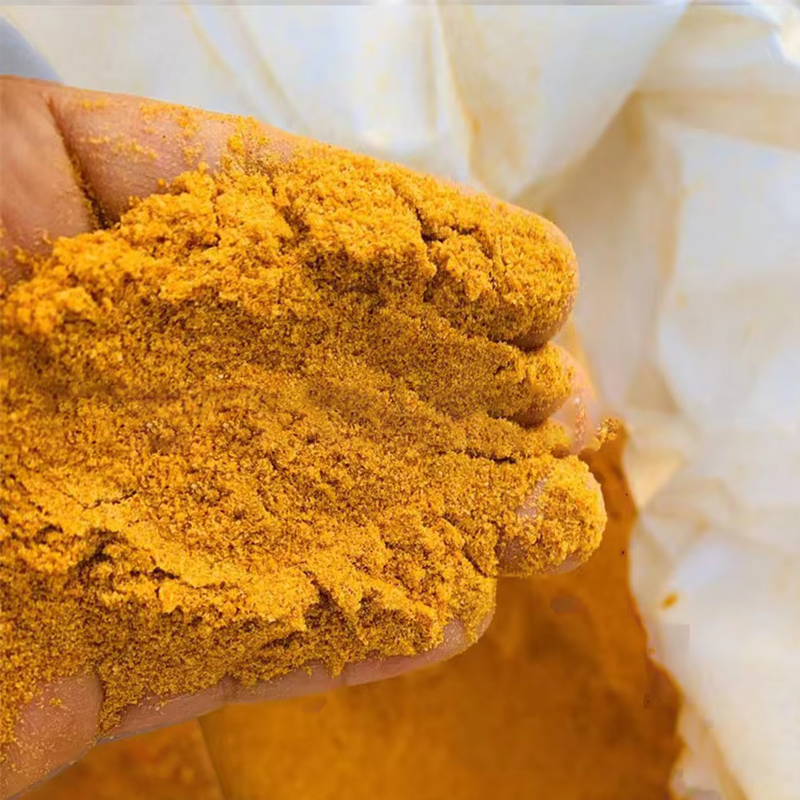
High-Quality, Concentrated Protein for Optimal Growth and Efficiency
Why 60% corn gluten meal delivers superior metabolizable protein density vs. soybean meal and other plant proteins
Corn gluten meal stands out as a concentrated protein source, delivering a minimum of 60% crude protein—significantly higher than the 44–48% typically found in soybean meal. This elevated protein density translates directly into more metabolizable protein per kilogram of feed, enabling formulators to reduce inclusion rates of other protein supplements while maintaining amino acid targets. Its high apparent ileal digestibility—exceeding 88% in broilers—further amplifies this advantage by ensuring efficient absorption of essential amino acids. Unlike soybean meal, corn gluten meal contains negligible trypsin inhibitors and oligosaccharides, eliminating anti-nutritional factors that hinder nutrient absorption. Its low fiber content supports a lean, energy-dense matrix ideal for high-performance poultry diets. Compared to canola or sunflower meal, corn gluten meal offers a more digestible, less fibrous protein package—maximizing feed efficiency without compromising gut health.
Broiler performance gains: 5.2% higher weight gain and 3.7% improved FCR with 5–8% corn gluten meal inclusion
A meta-analysis of broiler studies published in Poultry Science (2022) confirmed that diets containing 5–8% corn gluten meal yield a 5.2% increase in final body weight and a 3.7% improvement in feed conversion ratio (FCR) versus standard soybean meal–based diets. These gains arise from the synergy between its high metabolizable energy (AMEn: 3,250–3,400 kcal/kg) and rich supply of methionine and cystine—amino acids often first-limiting in corn-soy rations. The enhanced FCR directly reduces feed cost per kilogram of live weight, a critical economic lever in commercial operations. By replacing less dense protein sources, producers achieve faster growth with lower total feed intake—optimizing both biological performance and production economics. This consistent, evidence-based response underscores why corn gluten meal is a strategic cornerstone in precision poultry nutrition.
Balanced Amino Acid Profile — With Emphasis on Methionine and Cystine
Methionine (2.2–2.4%) and cystine (3.8–4.1%): Key drivers of feather development, immunity, and feed efficiency in poultry
Methionine and cystine—the primary sulfur-containing amino acids in poultry nutrition—are present in corn gluten meal at exceptionally high levels: 2.2–2.4% methionine and 3.8–4.1% cystine. Methionine is the first-limiting amino acid in typical corn-soy diets and governs protein synthesis, muscle accretion, and feather keratin formation. At over three times the methionine concentration of soybean meal, corn gluten meal significantly reduces reliance on synthetic DL-methionine. Cystine, though non-essential, becomes semi-indispensable during rapid feathering—keratin contains up to 12% cystine—and insufficient dietary cystine forces birds to divert methionine toward feather synthesis, impairing growth and feed efficiency. Both amino acids also serve as precursors for glutathione, the body’s master antioxidant, enhancing immune resilience and mitigating oxidative stress during heat stress or vaccination challenges. This dual functional role—structural and metabolic—directly supports improved FCR, flock uniformity, and overall health.
Strategic formulation: Compensating for lysine/tryptophan limitations while leveraging corn gluten meal’s methionine advantage
Corn gluten meal naturally contains low levels of lysine and tryptophan—a limitation easily addressed in modern precision nutrition. Crystalline lysine and tryptophan are now cost-effectively available, allowing nutritionists to fully leverage corn gluten meal’s dense sulfur-amino acid profile without performance trade-offs. In a typical broiler finisher diet, replacing 5% soybean meal with corn gluten meal can reduce synthetic methionine inclusion by up to 0.10 percentage points, lowering feed cost per ton. Its high methionine content also enables a reduction in overall crude protein targets, aligning with the ideal protein concept and minimizing nitrogen excretion. By calibrating the methionine + cystine : lysine ratio to 75–78%, formulators maintain precise lysine adequacy while maximizing sulfur-amino acid benefits. This targeted balance preserves performance, improves sustainability, and positions corn gluten meal as an efficient, high-value centerpiece in modern poultry rations.
Natural Pigmentation Benefits: Enhancing Yolk and Skin Color Without Synthetics
Consumers increasingly demand eggs and poultry with rich, golden yolks and healthy skin color—driving producers to seek natural, feed-based pigment solutions. Corn gluten meal delivers a dual-function benefit: it’s a high-quality protein source and a reliable, natural carotenoid carrier.
Xanthophyll Content (200–400 ppm) in Corn Gluten Meal Directly Improves DSM Yolk Colour Fan Scores ≥12 in Layers
The xanthophylls in corn gluten meal—primarily lutein and zeaxanthin—are highly bioavailable carotenoids that deposit efficiently in egg yolk and broiler skin. With concentrations ranging from 200–400 ppm, corn gluten meal provides a consistent, scalable pigmenting effect. Layer trials show that inclusion at recommended levels elevates DSM Yolk Colour Fan scores to 12 or higher—meeting premium market standards for deep, golden yolks. This natural pathway avoids consumer skepticism associated with synthetic colorants like canthaxanthin or ethoxyquin. Beyond aesthetics, these xanthophylls contribute antioxidant activity, supporting bird health and extending product shelf life. Integrating corn gluten meal simplifies formulation and enhances label appeal as a single-source protein and pigment solution—delivering visually compelling, clean-label poultry products aligned with evolving consumer expectations.
Poultry-Specific Nutritional Advantages: Digestibility, Energy, and Low Anti-Nutritional Factors
High apparent ileal digestibility (>88%) and AMEn (3,250–3,400 kcal/kg) — outperforming wheat gluten and matching fishmeal in broilers
Corn gluten meal 60% delivers a rare combination of high digestibility and energy density uniquely suited to poultry physiology. Its apparent ileal digestibility (AID) consistently exceeds 88%, reflecting efficient small-intestinal absorption of amino acids—including critical sulfur-containing ones. With an AMEn value of 3,250–3,400 kcal/kg, it surpasses wheat gluten and matches the usable energy of fishmeal in broiler diets. Crucially, corn gluten meal contains negligible levels of trypsin inhibitors, lectins, phytates, or other anti-nutritional factors commonly found in plant proteins—eliminating the need for thermal processing or enzyme supplementation to mitigate gut irritation or nutrient interference. This clean nutritional profile supports rapid growth, optimal feed efficiency, and robust gut health—enabling nutritionists to reduce dependence on costly animal-derived proteins without sacrificing performance.
FAQs
What makes corn gluten meal a superior protein source compared to soybean meal?
Corn gluten meal delivers 60% crude protein, versus 44–48% in soybean meal, providing higher metabolizable protein density. It lacks anti-nutritional factors like trypsin inhibitors and oligosaccharides, ensuring better nutrient absorption and efficiency.
How does corn gluten meal impact broiler performance?
Studies show 5–8% inclusion of corn gluten meal improves broiler weight gain by 5.2% and feed conversion ratio (FCR) by 3.7%, driven by its high metabolizable energy and balanced amino acid profile.
Can corn gluten meal replace synthetic methionine in diets?
Yes, its high methionine content allows reduced reliance on synthetic DL-methionine and can lower feed costs while maintaining performance.
Does corn gluten meal help with pigmentation in eggs and poultry?
Yes, with 200–400 ppm xanthophylls like lutein and zeaxanthin, corn gluten meal naturally enhances yolk and skin color, meeting premium market aesthetic standards without synthetic additives.
Is corn gluten meal easy to digest for poultry?
Yes, it has high apparent ileal digestibility (>88%), ensuring efficient nutrient absorption while providing energy comparable to fishmeal.
Table of Contents
- High-Quality, Concentrated Protein for Optimal Growth and Efficiency
- Balanced Amino Acid Profile — With Emphasis on Methionine and Cystine
- Natural Pigmentation Benefits: Enhancing Yolk and Skin Color Without Synthetics
- Poultry-Specific Nutritional Advantages: Digestibility, Energy, and Low Anti-Nutritional Factors
-
FAQs
- What makes corn gluten meal a superior protein source compared to soybean meal?
- How does corn gluten meal impact broiler performance?
- Can corn gluten meal replace synthetic methionine in diets?
- Does corn gluten meal help with pigmentation in eggs and poultry?
- Is corn gluten meal easy to digest for poultry?