 EN
EN

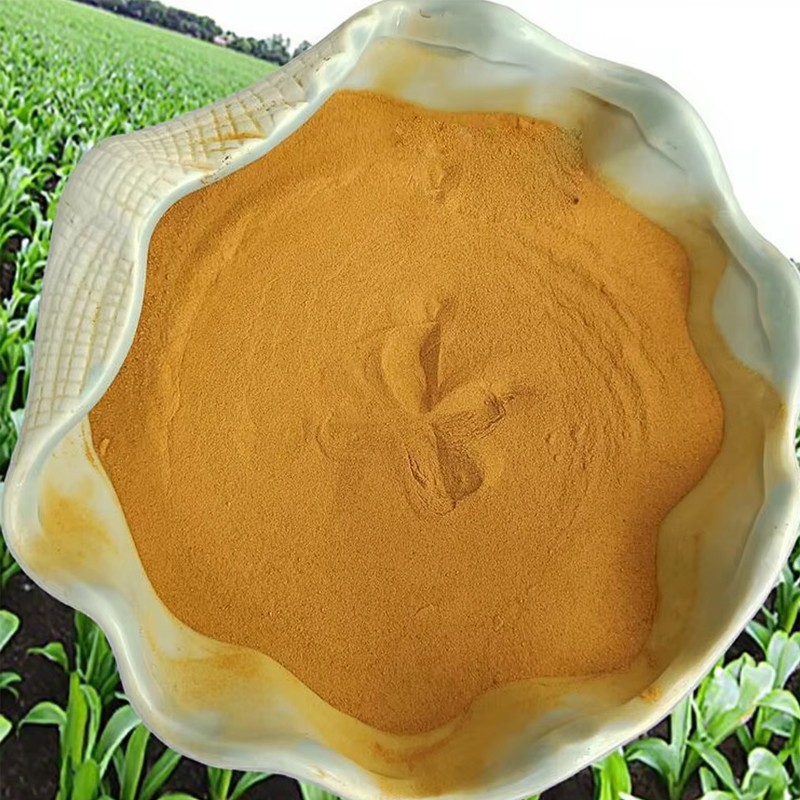
Understanding the Composition and True Meaning of 'Corn Steep Liquor Powder 42%'
Corn steep liquor powder is a concentrated, natural extract derived from the water used to steep corn kernels during the wet milling process. After evaporation and spray-drying, it becomes a hygroscopic powder rich in soluble organic compounds—including peptides, free amino acids, B-vitamins, organic acids, and chelated micronutrients. As a cost-effective source of bioavailable nitrogen and biostimulants, it serves both as an organic fertilizer and a soil microbiome enhancer.
Decoding the '42%': Protein, Organic Matter, or Total Solids?
The ‘42%’ in the product name refers to the minimum crude protein content—calculated from total nitrogen using the standard conversion factor of 6.25—and is the industry-recognized specification for agricultural-grade corn steep liquor powder. This value reflects the nitrogen bound in highly bioavailable forms: short-chain peptides and free amino acids, not inert or polymerized proteins. While the powder also contains soluble carbohydrates, lactic acid, and other organic matter, the 42% designation specifically signals the concentration of nitrogen-rich, plant- and microbe-accessible compounds that drive early growth and metabolic activation.
NPK Profile and Bioactive Components: Amino Acids, B-Vitamins, and Chelated Micronutrients
Corn steep liquor powder delivers a balanced NPK profile of approximately 6-1-1—where the 6% nitrogen is entirely organic and immediately utilizable, unlike synthetic urea or ammonium salts. Phosphorus and potassium are naturally present in low but bioavailable concentrations, alongside chelated micronutrients (e.g., zinc, iron, manganese) formed during corn steeping. These natural chelates enhance solubility and root uptake while reducing soil fixation.
| Component | Primary Role in Plant Nutrition |
|---|---|
| Organic Nitrogen (6%) | Supports vegetative growth and protein synthesis as a slow-release yet rapidly absorbable source. |
| Phosphorus (1%) | Essential for energy transfer (ATP), nucleic acid synthesis, and root development. |
| Potassium (1%) | Regulates stomatal function, water balance, and enzyme activation for stress tolerance. |
| Chelated Micronutrients | Prevent deficiencies; natural chelation improves bioavailability and reduces antagonism in the rhizosphere. |
Beyond macronutrients, its agronomic strength lies in its bioactive matrix. Free amino acids—including glycine, glutamic acid, and proline—act as precursors for phytohormones and osmoprotectants. B-vitamins such as riboflavin (B2) and thiamine (B1) serve as coenzymes in respiration and nitrogen assimilation pathways. Together, these compounds stimulate beneficial microbial activity, accelerate organic matter mineralization, and prime plant defense systems—making corn steep liquor powder more than a nutrient source, but a functional biostimulant.
How Corn Steep Liquor Powder 42% Enhances Nitrogen Use Efficiency in Crops
Rapid Uptake of Organic Nitrogen via Peptides and Free Amino Acids
Corn steep liquor powder 42% supplies nitrogen primarily as short-chain peptides and free amino acids—forms that bypass microbial mineralization and are absorbed directly through root and leaf transporters. Unlike inorganic nitrogen sources, which require energy-intensive active transport or risk volatilization and leaching, these organic nitrogen compounds enter plants rapidly and efficiently. A 2024 greenhouse study on pepper plants demonstrated that root application significantly increased shoot biomass under nitrogen-deficient conditions, confirming the immediate physiological availability of its nitrogen fraction. Because the 42% crude protein value correlates strongly with this pool of soluble, low-molecular-weight nitrogen carriers, it functions as a reliable proxy for bioavailable nitrogen—not just total nitrogen.
Synergistic Effects on Root Architecture, Pollination, and Stress Resilience
Beyond nitrogen supply, corn steep liquor powder triggers systemic physiological responses that amplify overall nutrient use efficiency. Its blend of amino acids, B-vitamins, and chelated micronutrients stimulates lateral root initiation and elongation, expanding the effective nutrient-foraging zone. This denser root architecture increases nitrogen interception and water-use efficiency—directly improving nitrogen recovery rates. Field and controlled-environment studies have linked root-applied CSL to improved pollination under heat stress and greater resilience to drought and salinity, attributed to amino acid–mediated osmotic adjustment and antioxidant synthesis. Notably, the same 2024 pepper trial found root application outperformed foliar delivery in boosting growth under nitrogen limitation—underscoring the importance of rhizosphere engagement for full biostimulant expression. By strengthening core metabolic functions, corn steep liquor powder helps sustain photosynthesis, yield stability, and crop vigor even when soil nitrogen is variable.
Optimal Application Strategies for Corn Steep Liquor Powder 42%
Soil Drench vs. Foliar Spray: Timing, Dilution, and Compatibility with Other Inputs
Root application via soil drench consistently delivers superior results compared to foliar spraying—especially where nitrogen availability is limiting. Physiological evidence shows drenching delivers nutrients directly to the rhizosphere, fueling both root uptake and microbial activity that further mobilize soil nutrients. For soil drenching, apply 1–2 grams of powder per liter of water during early vegetative growth and again at fruit set—timed to match peak metabolic demand. Foliar application requires greater dilution (0.5–1 g/L) and should be done in early morning or late evening to minimize photodegradation and phytotoxicity. Always conduct a small-scale compatibility test before tank-mixing with other inputs. While corn steep liquor powder synergizes well with synthetic fertilizers to improve nitrogen use efficiency, avoid mixing with highly alkaline products (e.g., lime-based sprays or copper hydroxide), which can degrade heat- and pH-sensitive amino acids and B-vitamins.
Quality Consistency, Sourcing, and Field Performance of Corn Steep Liquor Powder 42%
Reliable performance depends on consistent bioactive integrity—not just adherence to the 42% crude protein claim. High-quality powder must maintain stable levels of free amino acids, B-vitamins, and chelated micronutrients across batches, which hinges on rigorous raw material control and gentle, low-temperature drying. Excessive heat or inconsistent steeping protocols can denature labile compounds and introduce residual starches that attract pests or encourage anaerobic fermentation in soil. Reputable suppliers provide full certificates of analysis—not only for crude protein and heavy metals, but also for key amino acids (e.g., glycine, proline), lactic acid, and vitamin B2/B1 content. Field validation confirms that consistent CSL sources promote measurable improvements in root mass, chlorophyll density, and stress tolerance—outcomes rooted in biological activity, not just NPK. Growers should therefore prioritize suppliers who transparently link their powder’s specific bioactive profile to peer-reviewed or on-farm trial data, moving beyond generic nutrient labels to verify true agronomic effectiveness.
FAQs
What does the '42%' in corn steep liquor powder mean?
The '42%' refers to the minimum crude protein content, indicating the nitrogen-rich, bioavailable compounds like peptides and free amino acids in the product.
How should corn steep liquor powder be applied?
It can be applied as a soil drench (1–2 g/L) or as a foliar spray (0.5–1 g/L), with soil application generally yielding better results for nitrogen-deficient crops.
What crops benefit the most from corn steep liquor powder?
Most crops, especially nitrogen-intensive ones like vegetables and fruits, benefit from its bioavailable nitrogen and biostimulant properties.
Can corn steep liquor powder be mixed with other fertilizers?
Yes, but avoid mixing it with highly alkaline products as they can degrade its bioactive components like amino acids and B-vitamins.
What should I look for in a high-quality corn steep liquor powder?
Consistent levels of free amino acids, B-vitamins, and chelated micronutrients, as well as certificates of analysis from reputable suppliers, are essential indicators of quality.
Table of Contents
- Understanding the Composition and True Meaning of 'Corn Steep Liquor Powder 42%'
- How Corn Steep Liquor Powder 42% Enhances Nitrogen Use Efficiency in Crops
- Optimal Application Strategies for Corn Steep Liquor Powder 42%
- Quality Consistency, Sourcing, and Field Performance of Corn Steep Liquor Powder 42%
- FAQs