 EN
EN

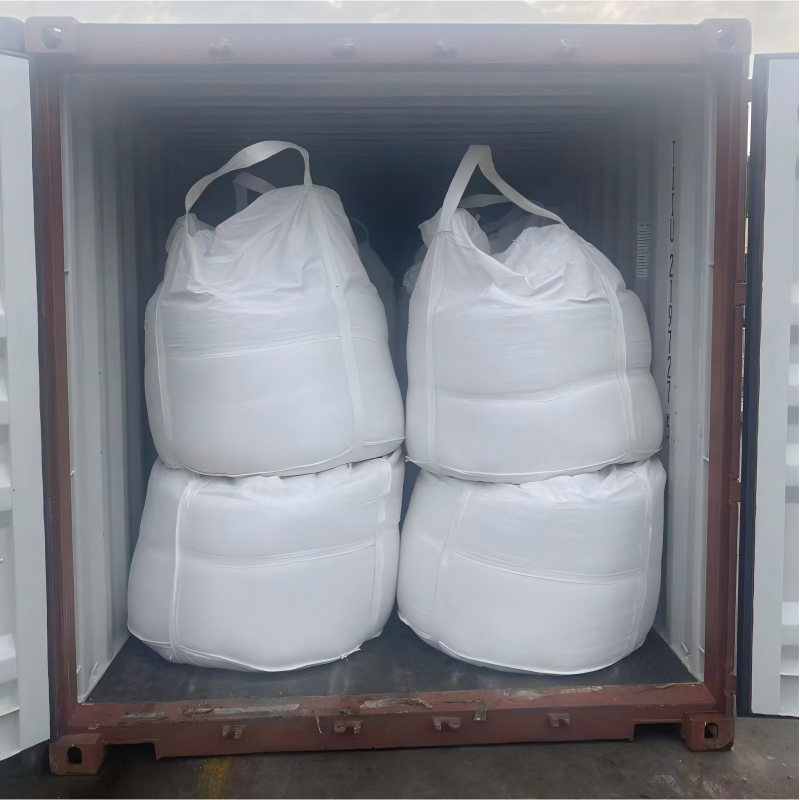
Why Dicalcium Phosphate Is the Preferred Calcium and Phosphorus Source in Animal Feed
In livestock nutrition, mineral supplements directly influence bone integrity, growth rates, and overall productivity. Dicalcium phosphate (DCP) has become the preferred source because it delivers highly available calcium and phosphorus in a single, consistent ingredient—streamlining ration formulation and improving economic returns.
Bioavailability Comparison: Dicalcium Phosphate vs. Inorganic Calcium Sources
Unlike calcium-only sources such as limestone or calcium carbonate, dicalcium phosphate provides both calcium and phosphorus in a biologically optimal form. Its dibasic phosphate structure dissolves readily in the acidic stomach environment, resulting in significantly higher phosphorus digestibility than rock phosphate or tricalcium phosphate—particularly in poultry, where it supports improved bone ash content and eggshell strength. Calcium carbonate, though rich in calcium, requires separate phosphorus supplementation, increasing the risk of mixing inconsistencies and uneven intake. DCP’s dual-nutrient design ensures synchronized absorption at a ratio closely aligned with physiological needs, minimizing secondary deficiencies and supporting consistent performance across intensive production systems.
Dual-Nutrient Efficiency—Meeting Simultaneous Calcium and Phosphorus Requirements
Balancing calcium and phosphorus is a precision task—one that DCP simplifies by delivering a stable Ca:P ratio of approximately 1.3:1. This closely matches the requirements of broilers, layers, swine, and dairy cattle, reducing reliance on multiple mineral additives. Crucially, co-delivery prevents antagonistic interactions—such as insoluble complex formation—that commonly occur when calcium and phosphorus are supplied separately. For feed formulators, this translates to greater uniformity, lower inclusion rates of balancing agents, and more predictable animal responses. Whether fueling rapid muscle deposition in growing pigs or sustaining high-output egg production in hens, DCP maintains the critical Ca:P balance without guesswork—making it a cost-effective cornerstone of modern animal nutrition.
Species-Specific Dicalcium Phosphate Dosage and Calcium-Phosphorus Ratio Guidelines
Optimal DCP Inclusion Rates for Poultry, Swine, Cattle, and Aquaculture
Effective DCP use begins with species- and stage-specific dosing, calibrated to metabolic demand, skeletal development, and production goals.
The table below outlines standard starting points for DCP inclusion in complete feed formulations. These assume a corn-soybean meal base and should be refined by a qualified nutritionist.
| Species | Life Stage / Production Goal | Typical DCP Inclusion Rate |
|---|---|---|
| Poultry (Broilers) | Rapid growth (0–6 weeks) | 0.9–1.2% of total feed |
| Poultry (Layers) | Peak egg production | 1.0–1.5% of total feed |
| Swine (Grower-Finisher) | Lean tissue accretion | 0.6–1.0% of total feed |
| Cattle (Dairy) | Lactation | 0.5–1.0% of concentrate feed |
| Aquaculture (Fish) | Intensive growth | 1.0–2.0% of total feed |
For grazing dairy cattle—with limited concentrate intake—a fixed daily dose is often more practical: 30–50 g per head, adjusted for forage mineral content. In aquaculture, DCP’s low water solubility helps minimize nutrient leaching in extruded feeds—supporting both digestibility and environmental stewardship. Exceeding recommended rates risks nutrient antagonism and unnecessary phosphorus excretion.
Avoiding Imbalance: Critical Ca:P Ratios by Life Stage and Production Goal
The absolute amount of DCP matters less than its contribution to the total dietary calcium-to-phosphorus (Ca:P) ratio—an essential determinant of skeletal health, muscle function, and reproductive output.
Young, rapidly growing animals require a Ca:P ratio of ~1.2:1 to 1.5:1 to support bone mineralization. In contrast, production-driven stages demand dramatic shifts: lactating dairy cows need a total dietary Ca:P ratio of 1.5:1 to 2:1 to prevent milk fever and sustain milk yield; laying hens often require ratios exceeding 5:1—prioritizing calcium for eggshell formation while maintaining sufficient phosphorus for energy metabolism.
Importantly, DCP contributes both minerals, so its inclusion must be evaluated alongside other calcium sources—especially limestone. An excess of phosphorus relative to calcium can trigger nutritional secondary hyperparathyroidism, leading to bone demineralization and lameness. Therefore, total diet modeling—not just DCP dosage—is essential for long-term herd and flock health.
Practical Formulation Considerations When Using Dicalcium Phosphate
Stability, Solubility, and Compatibility with Vitamins and Trace Minerals
DCP demonstrates excellent chemical stability in premixes and complete feeds, with minimal reactivity toward fat-soluble vitamins (A, D₃, E) or trace minerals like copper, zinc, and manganese. Its controlled solubility in the mildly acidic upper GI tract ensures efficient release of calcium and phosphorus without interfering with the absorption of other nutrients. Unlike more reactive mineral sources, DCP does not catalyze oxidative vitamin degradation or chelate essential trace elements—reducing the risk of nutrient antagonism and enabling flexible, multi-ingredient formulation. To preserve bioavailability and safety, routine testing for heavy metals, moisture, and assay purity remains a best practice for raw material quality control.
Pelleting, Mixing Uniformity, and Storage Best Practices for DCP‑Based Feeds
Consistent particle size in DCP promotes uniform blending and minimizes segregation during mixing and transport. Its moderate abrasiveness and thermal stability allow it to withstand standard pelleting temperatures (70–85 °C) without significant nutrient loss or pellet quality compromise. To maintain flowability and prevent caking—particularly in humid climates—store DCP in cool, dry conditions with tightly sealed packaging; both anhydrous and dihydrate forms are hygroscopic over time. Small additions of food-grade anti-caking agents may further improve handling. Regular monitoring of mix homogeneity and finished-feed moisture content ensures reliable delivery of targeted calcium and phosphorus levels—protecting both animal performance and feed efficacy.
FAQ
Why is Dicalcium Phosphate preferred in animal feed?
DCP is preferred because it delivers highly digestible calcium and phosphorus in a single ingredient, ensuring the proper nutrient balance, improving productivity, and making feed formulation more cost-effective.
What is the ideal Ca:P ratio in animal diets?
The ideal Ca:P ratio varies by species and life stage. For example, young animals require ~1.2:1 to 1.5:1, while lactating dairy cows need ratios of 1.5:1 to 2:1. Laying hens often demand ratios higher than 5:1 for eggshell production.
How can excessive DCP inclusion affect animals?
Excessive inclusion can disrupt the calcium-to-phosphorus balance, leading to potential nutrient antagonism, reduced feed efficacy, and overexcretion of phosphorus into the environment.
Are there storage challenges with Dicalcium Phosphate?
Although DCP has good stability, it is hygroscopic, meaning it absorbs moisture over time. To prevent caking and maintain quality, store DCP in tightly sealed packaging in cool, dry conditions.