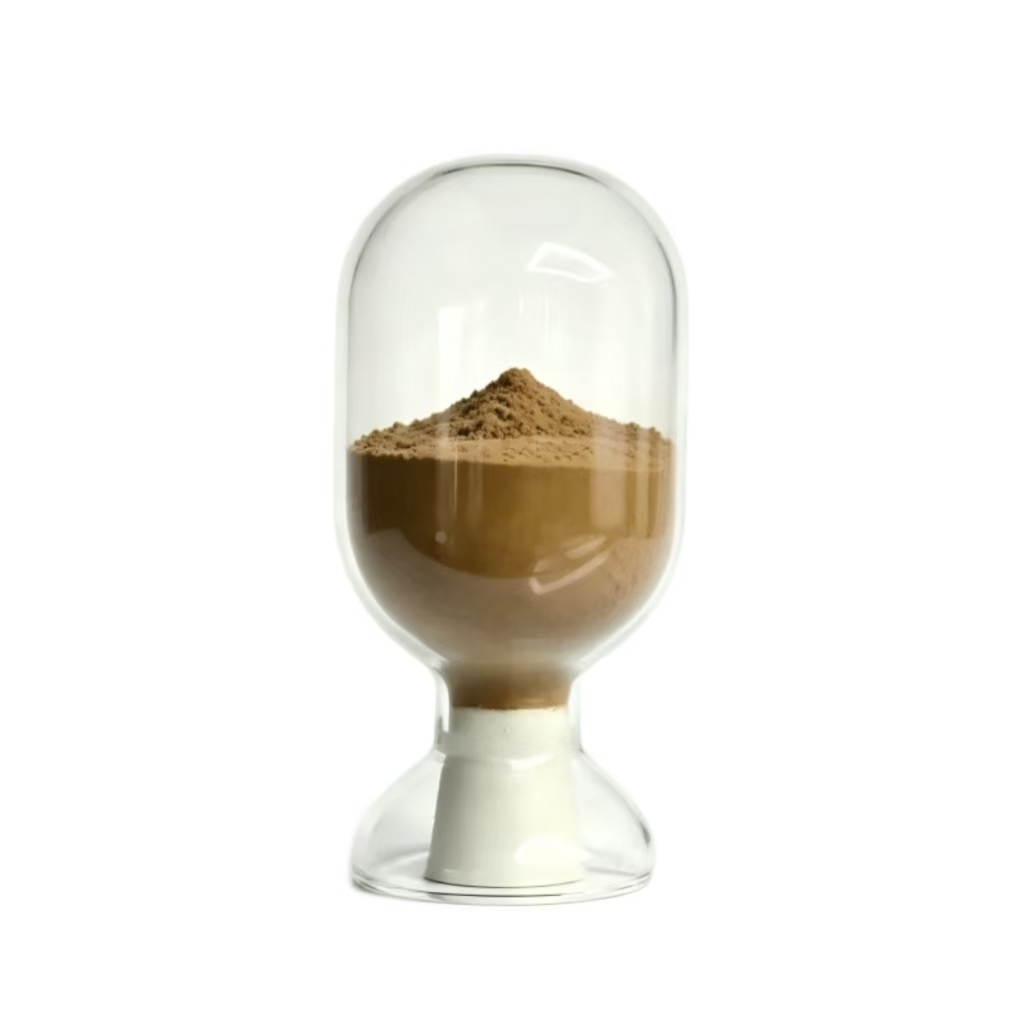
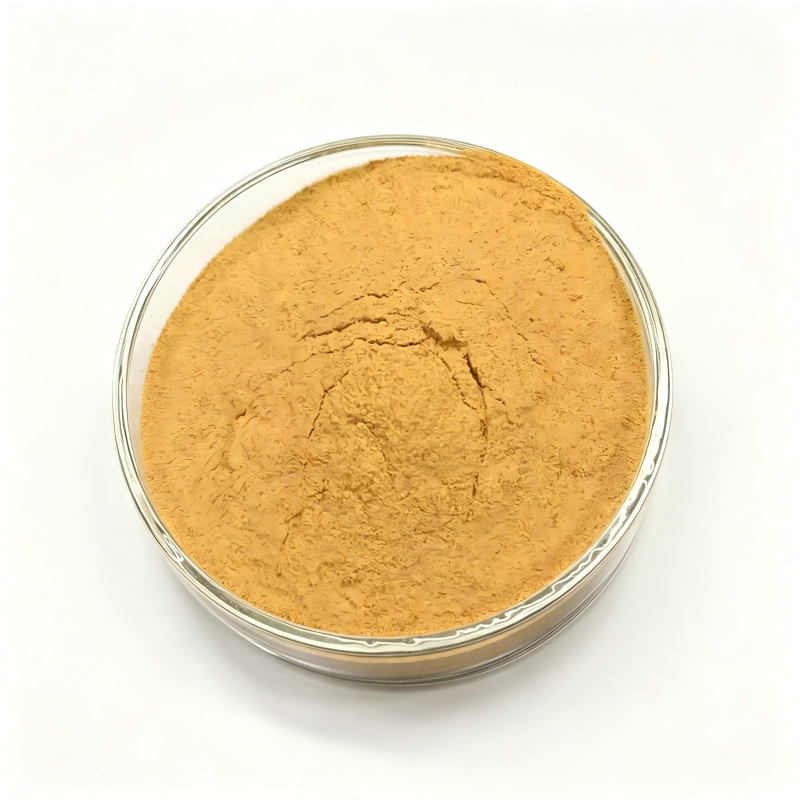
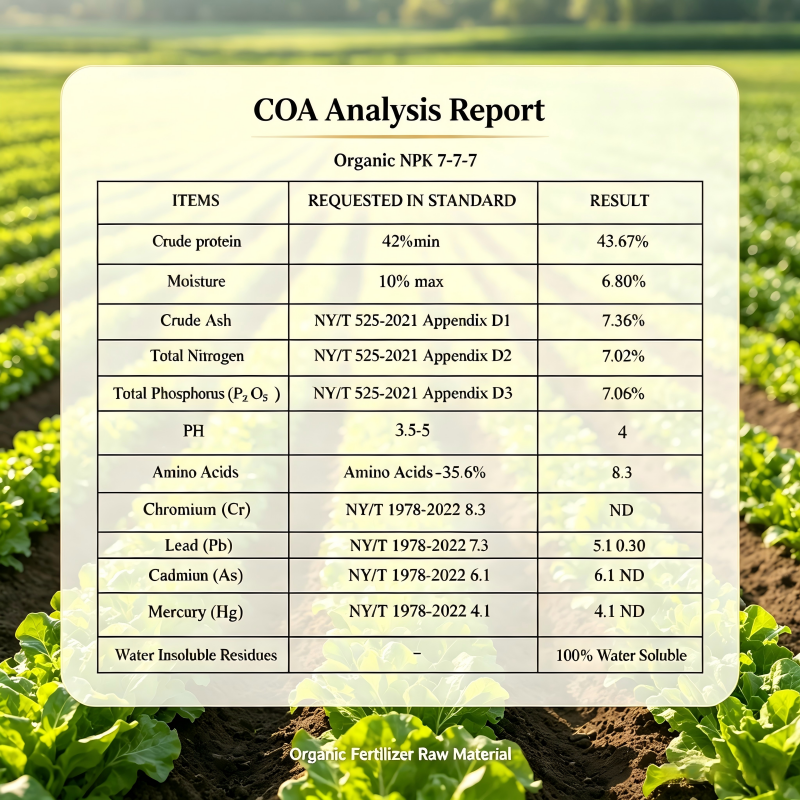
The core raw material for Organic NPK 7-7-7 is corn steep liquor, and the standard industrial production process comprises five major stages: corn steeping to produce the raw liquor, raw liquor pretreatment, multi-stage concentration, drying and pulverization, and post-processing (screening and packaging).
Product Detail:
I. Balanced Nutrients, Suitable for the Entire Crop Growth Cycle
The formula contains 7% nitrogen, 7% phosphorus, and 7% potassium, providing a balanced supply of the three major elements in equal proportions:
Nitrogen (N) 7%: Gently promotes stem and leaf growth without causing excessive vegetative growth or seedling burn, suitable for seedlings, leafy vegetables, and the new shoot stage of fruit trees;
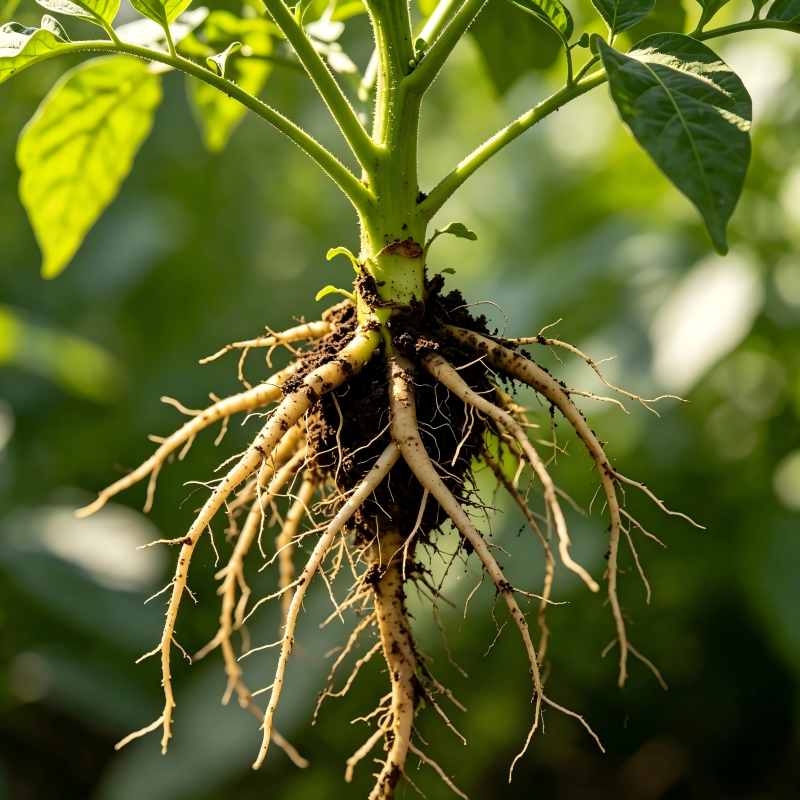
Phosphorus (P) 7%: Promotes root germination and flower bud differentiation, increases flowering and fruit setting rates, and alleviates premature crop aging;
Potassium (K) 7%: Strengthens stems and expands fruit, enhances fruit sweetness and color, and improves resistance to lodging, cold, and drought.
This balanced formula eliminates concerns about excessive amounts of any single element. It is suitable for vegetables, fruit trees, field crops, seedlings, and flowers, and can be used as both base fertilizer and top dressing.
II. Slow-Release Nutrients from Organic Matrix: Long-Lasting Fertilizer Supply Without Nutrient Depletion
Unlike fast-acting chemical fertilizers, 7-7-7 organic fertilizer relies on organic matter to encapsulate nutrients:
Nutrients are slowly released, with effects lasting 3-6 months. Only 1-2 applications are needed per season, reducing the need for manual topdressing;
It does not instantly increase soil salinity, preventing root and seedling burn, making it safe for seedlings, weak seedlings, and potted crops;
Nutrients are released according to the crop's root absorption rhythm, preventing nutrient deficiencies, yellowing leaves, and fruit drop in the later stages of crop growth.
III. Soil Improvement and Solving the Problem of Continuous Crop Rotation
The high organic matter content of the fertilizer is a core value that chemical fertilizers lack:
It loosens compacted clay soil, improves the water and fertilizer retention capacity of sandy soil, and optimizes soil aggregate structure;
It replenishes beneficial microorganisms, inhibits soil-borne pathogens (root rot, wilt), and reduces the probability of plant death due to continuous cropping;
It neutralizes pH levels, regulates soil pH, activates fixed calcium, magnesium, and trace elements in the soil, and improves fertilizer utilization.
IV. Improve Agricultural Product Quality and Meet Green Planting Standards
Balanced organic nutrients promote the accumulation of sugars and amino acids, resulting in sweeter, more flavorful fruits and vegetables, and improved storage and transportability;
Reduce the accumulation of nitrates and heavy metals in crops, enabling agricultural products to meet green and organic certification standards;
Reduce deformed, hollow, and cracked fruits, increasing the marketable fruit rate and boosting planting profits.
V. Enhance Crop Stress Resistan
Soil organic matter improves root development, expands the water and fertilizer absorption range, and significantly enhances drought and flood resistance; Sufficient potassium combined with organic matter thickens cell walls, increasing resistance to lodging and pests and diseases;
Mitigate crop damage caused by pesticides, fertilizers, and low-temperature freezing, promoting rapid growth recovery.
VI. Wide Applicability and Flexible Application
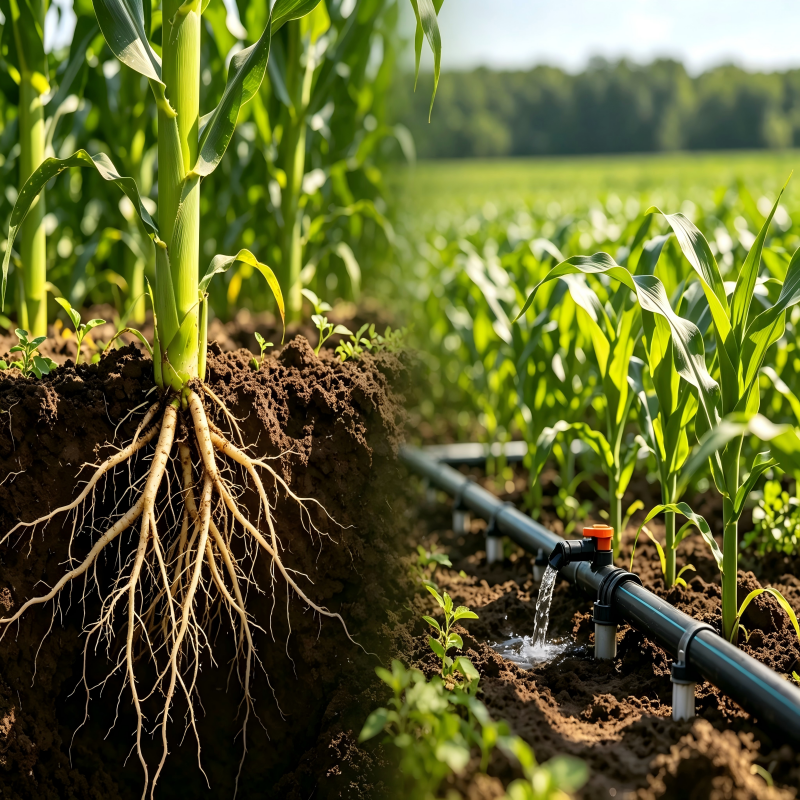
Field Crops: Used as base fertilizer for wheat, corn, and rice, promoting balanced root development and strong stems for stable yield and improved quality.
Fruit and Vegetable Crops: Used as base fertilizer for tomatoes, cucumbers, citrus, and grapes, preventing nutrient deficiency during fruit expansion.
Seedlings and Flowers: Gently nourishes roots and extends flowering period for garden saplings and potted flowers.
Greenhouses: Alleviates soil salinization caused by long-term chemical fertilizer use, preventing red frost and green moss in greenhouses.
VII. Sustainable Soil Fertility Improvement with Long-Term Use
Continuous application of 7-7-7 organic fertilizer: Gradually increases soil organic matter content, eliminating the need for frequent soil replacement and fallowing; Reduces chemical fertilizer use by 30%–50%, lowering planting costs while protecting arable land from degradation.
Summary:
**Balanced and Universal Nutrients:** The balanced ratio of nitrogen, phosphorus, and potassium promotes leaf growth, root development, and fruit expansion. Suitable for all crops throughout their growth cycle without causing nutrient imbalances.
**Slow-Release, Gentle, and Safe:** The organic carrier slowly releases nutrients, providing long-lasting effects for 3-6 months. It does not burn seedlings or cause salt accumulation, making it safe for seedlings and potted plants.
**Soil Improvement and Repair:** Rich in organic matter, it loosens compacted soil, regulates pH, activates micronutrients, alleviates problems caused by continuous cropping and soil salinization in greenhouses, and reduces soil-borne diseases.
**Quality, Efficiency, and Profit Enhancement:** Promotes sugar accumulation in fruits and vegetables, improves taste, reduces deformed fruit, and ensures agricultural products meet green planting standards, resulting in higher commercial value.
**Enhanced Crop Resistance:** Developed root systems and high potassium content enhance resistance to drought, flooding, lodging, and pests and diseases, mitigating damage from pesticides and frost.
**Long-Term Soil Maintenance:** Continuous use can sustainably improve soil fertility, reduce reliance on chemical fertilizers, lower planting costs, and enable sustainable farming.
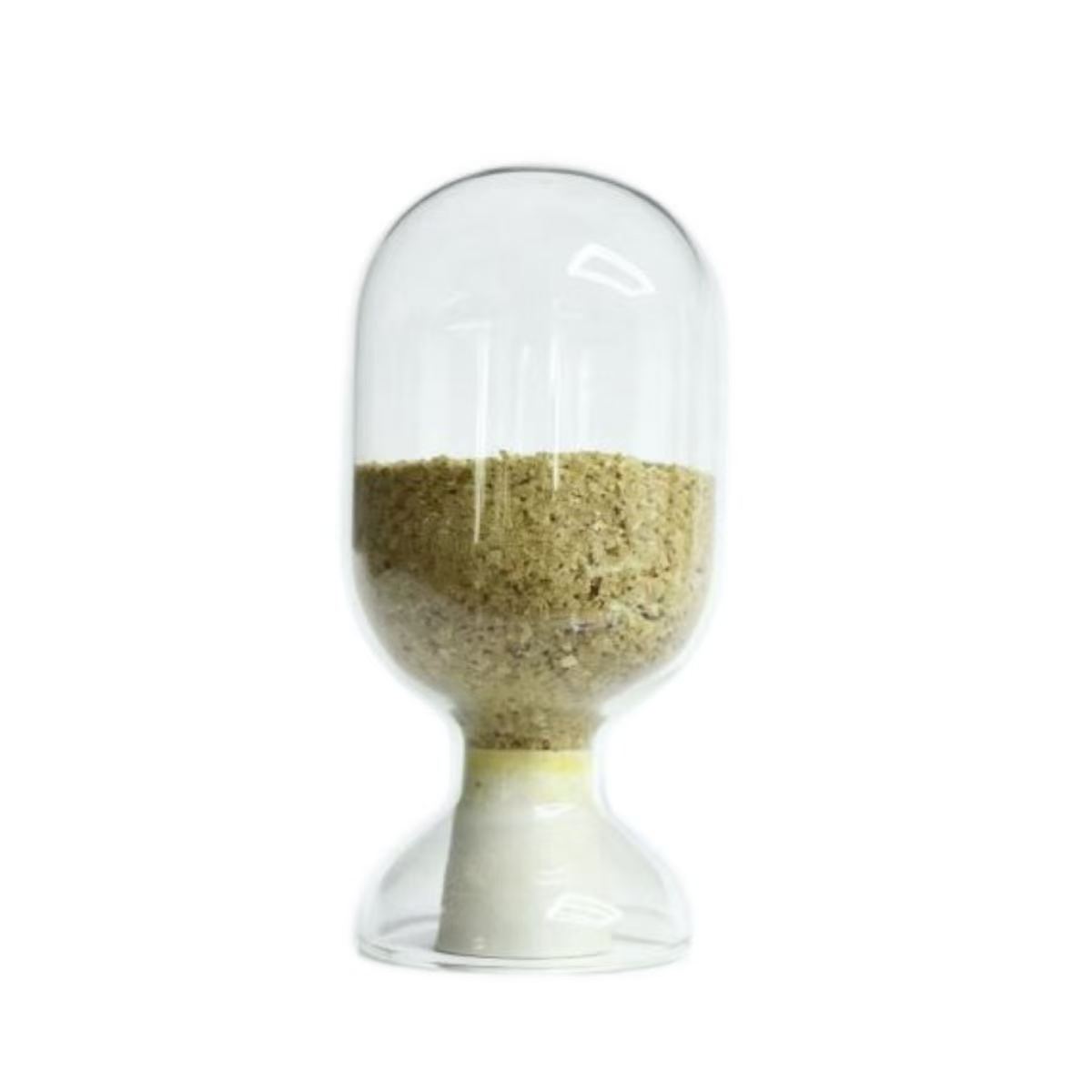
CGF(CORN GLUTEN FEED)
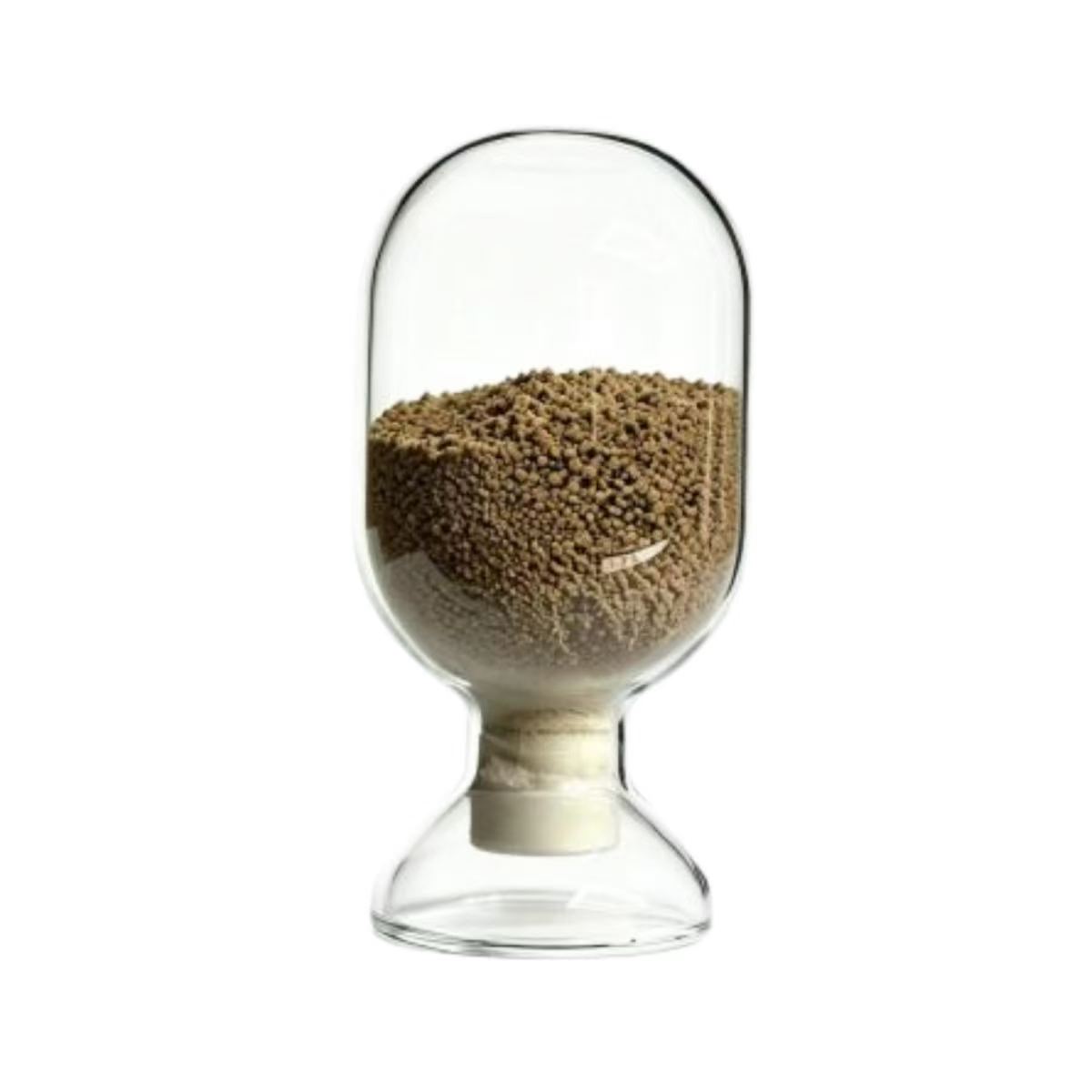
Lysine70%

Rice protein powder
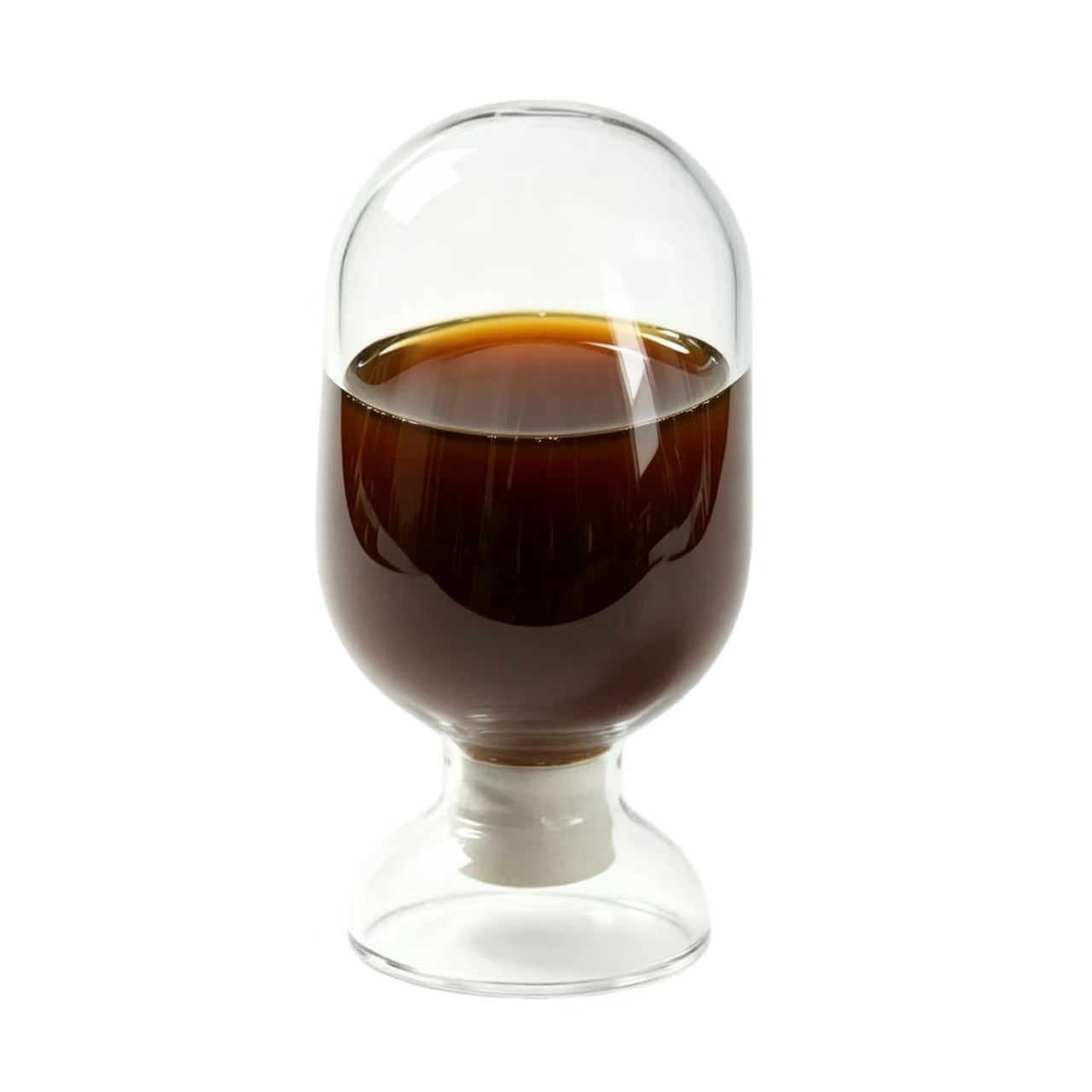
Trace Elements Liquid Fertilizer 100g
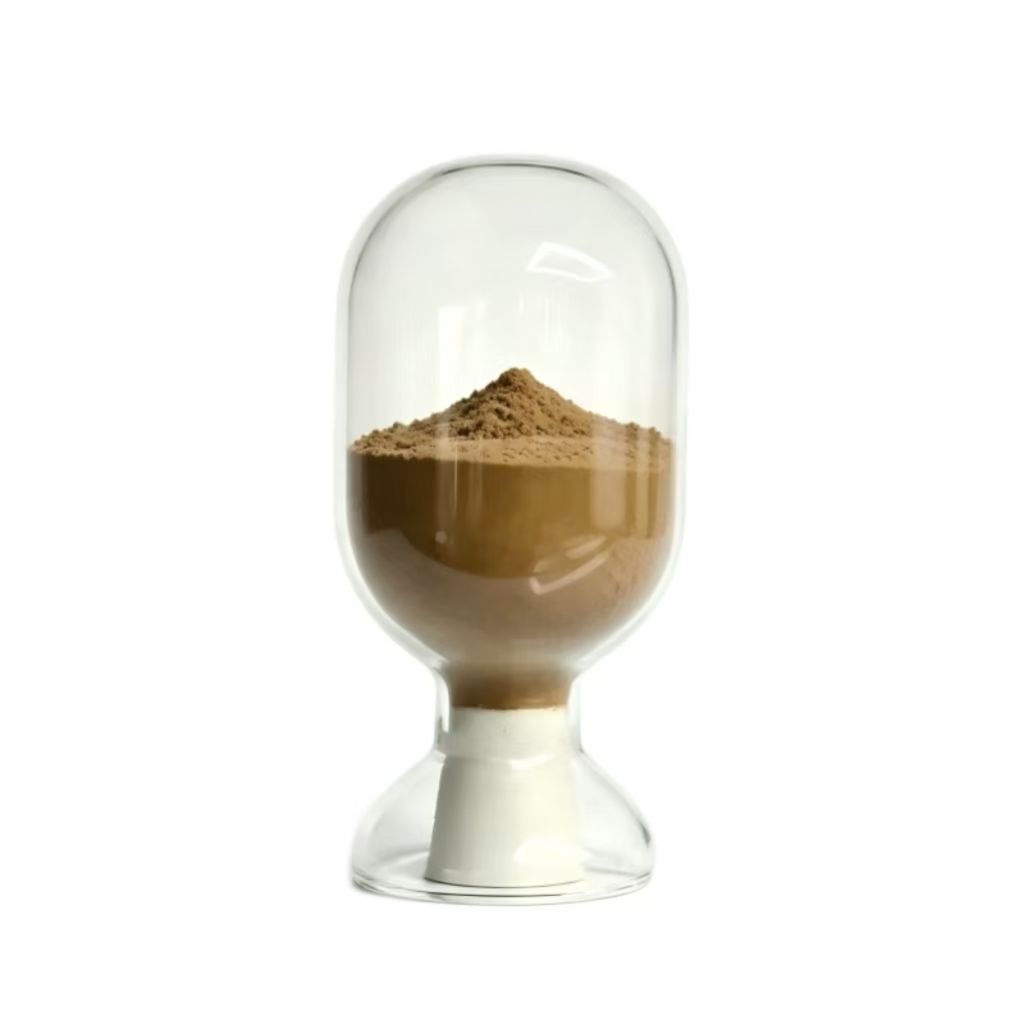
CSL Powder 42%

Fluid Boron
 EN
EN
