 EN
EN

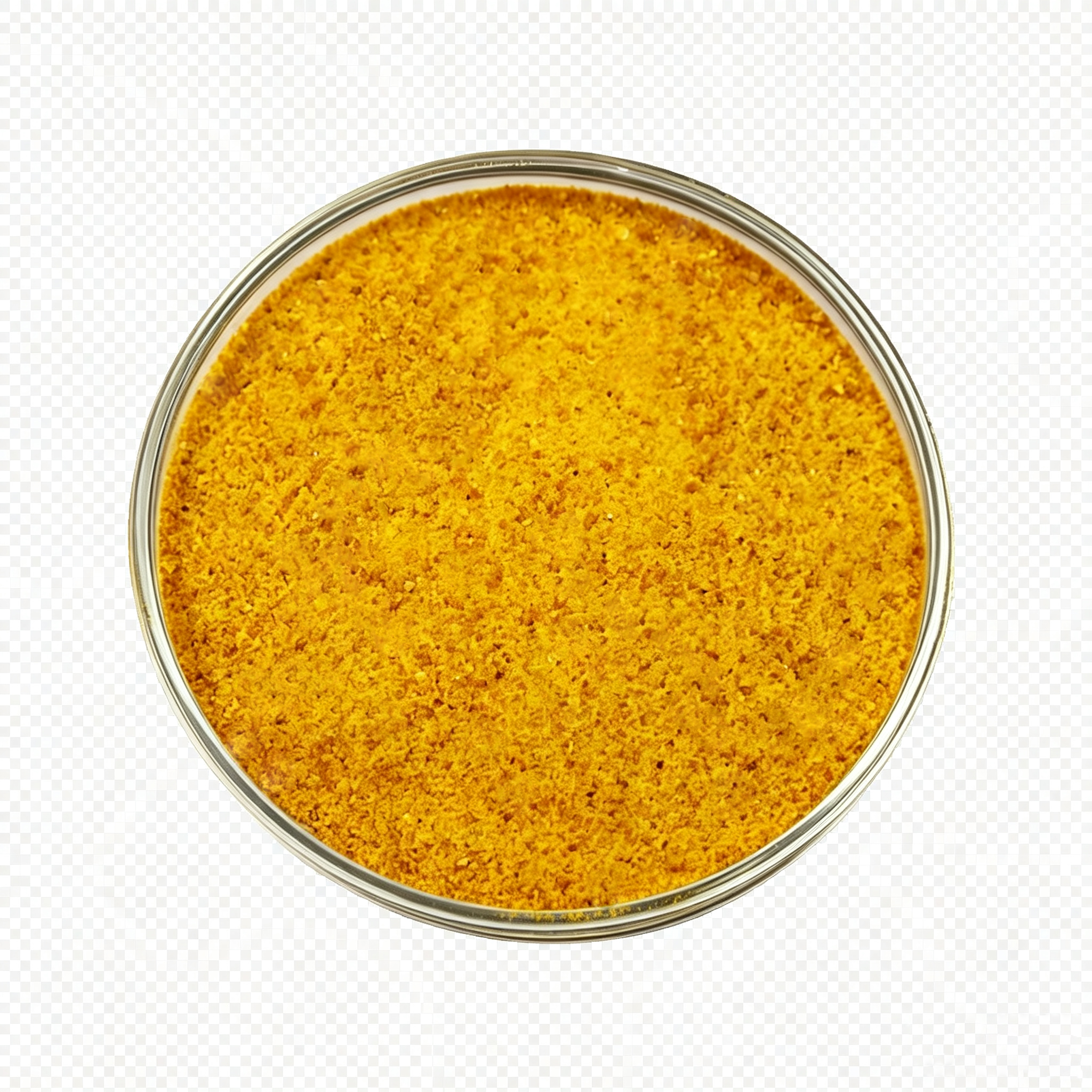
What Makes High Purity Dicalcium Phosphate Ideal for Animal Feed?
Chemical and regulatory specifications: Ca ≥ 23%, P ≥ 18%, F ≤ 0.16%, low heavy metals and insolubles
High purity dicalcium phosphate (DCP) must meet strict chemical thresholds to safeguard animal health and feed safety. A minimum calcium content of 23% and phosphorus of at least 18% ensures a dense, bioavailable mineral matrix that efficiently supports skeletal development. The fluorine ceiling of 0.16% is particularly critical—excessive fluorine can cause fluorosis and weaken bones, so reputable feed-grade DCP consistently stays below this limit. Regulatory frameworks such as the EU Feed Additives Register (Regulation (EC) No 1831/2003) enforce these bounds, compelling manufacturers to refine raw phosphates and remove impurities. Heavy metals like lead, cadmium, and mercury are kept to trace levels—often below 10 ppm—due to their chronic toxicity risks even at low concentrations. Acid-insoluble residues are minimized to under 0.5%, preventing inert grit from diluting nutrient value and interfering with digestive efficiency. Together, these specifications transform a commodity phosphate into a reliable, high-performance feed ingredient that nutritionists can precisely dose.
Functional advantages: Gastric solubility, thermal stability in pelleting, and superior phosphorus bioavailability vs. lower-grade DCP
Beyond its chemical profile, high purity DCP delivers tangible functional benefits in feed processing and animal physiology. Its high gastric solubility—often exceeding 90% in simulated acid conditions—ensures rapid dissociation of calcium and phosphorus in the stomach, accelerating absorption in the small intestine. This contrasts sharply with lower-grade DCP, which may contain insoluble phosphates that pass through the gut unutilized. Thermal stability is another key advantage: during pelleting at 80–85 °C, high purity DCP retains its chemical integrity without degradation, ensuring consistent nutrient delivery in pelleted rations. As a result, phosphorus bioavailability reaches 85–90%, significantly higher than the 60–70% typical of cheaper, less refined sources. This elevated bioavailability improves bone mineralization and growth rates while reducing phosphorus excretion in manure—supporting both performance and sustainability goals. Consequently, formulators can achieve tighter nutrient margins without over-supplementation.
Optimizing Calcium-to-Phosphorus Ratio and Inclusion Levels by Species
Target Ca:P ratios: 1.2–2.5:1 for poultry, 1.5–2.0:1 for swine, and 1.8–3.0:1 for ruminants
Precision in the calcium-to-phosphorus (Ca:P) ratio is the cornerstone of skeletal integrity and metabolic performance—and optimal ranges vary significantly across species due to distinct physiological demands. For poultry, rapid bone mineralization and eggshell formation drive flexibility: broiler starters often use a tighter 1.2:1 to 1.5:1 ratio to maximize skeletal development, while laying hens may require up to 2.5:1 to support shell quality without compromising phosphorus utilization. Swine benefit from a more consistent window of 1.5:1 to 2.0:1, supporting robust bone density in growing pigs and structural soundness in high-producing sows. Ruminants require the broadest range—1.8:1 to 3.0:1—guided by rumen function and milk production needs, helping prevent milk fever and sustain microbial health. High purity DCP’s consistent 23% Ca and 18% P profile enables precise, contamination-free ratio control—eliminating variability introduced by heavy metals or inconsistent bioavailability.
Practical inclusion rates (0.5–1.8%) and adjustments for growth phase, production stage, and dietary matrix effects
The inclusion of high purity DCP is not static but dynamically calibrated between 0.5% and 1.8% of the total diet—adjusted for growth phase, production stage, and dietary context. For example, phytate-rich diets for young chicks demand higher inclusion, whereas corn-soybean meal rations for finishing pigs often require less. The table below illustrates how these variables interact:
| Species | Production Stage | Key Dietary Matrix Factor | Typical High Purity DCP Inclusion Rate |
|---|---|---|---|
| Poultry | Broiler Starter | High phytate in grain | 1.2–1.5% |
| Poultry | Layer (Peak Production) | Calcium demand for shell | 0.8–1.2% |
| Swine | Nursery Pig | Low phytase activity | 1.0–1.5% |
| Swine | Finishing Pig | Phased-reduced P | 0.5–0.8% |
| Ruminant | High-Yielding Dairy Cow | DCAD balance | 0.6–1.0% |
Adjustments must account for inorganic phosphorus from other mineral sources and anti-nutritional factors like phytate. Over-supplementation is not only economically inefficient but also increases environmental phosphorus excretion—making precise, bioavailable sourcing essential. High purity DCP’s predictable solubility and composition allow nutritionists to meet exact physiological requirements at each life stage, minimizing waste and maximizing return on mineral investment.
Species-Specific Application Strategies for High Purity DCP
Poultry: Enhancing bone mineralization and eggshell quality while preserving phytase activity
High purity DCP reliably supplies bioavailable phosphorus for bone mineralization in broilers, with studies showing a 15% increase in tibia ash content (Poultry Science, 2022). For layers, its low fluorine content (<0.16%) protects eggshell integrity; incorporating 0.8–1.2% in peak-production diets improves shell thickness by 3–5% (J. Appl. Poult. Res., 2023). Crucially, its high calcium solubility does not inhibit microbial phytase activity—enabling synergistic use of the enzyme to release additional phosphorus from phytate. This combination reduces total dietary phosphorus needs by ~20% without compromising performance (Br. Poult. Sci., 2021), lowering feed cost and environmental impact.
Swine and cattle: Supporting skeletal development, rumen-stable P delivery, and DCAD balance
In swine, inclusion of high purity DCP at 0.6–1.0% supports rapid skeletal development, with nursery pigs demonstrating 8% higher bone breaking strength (J. Anim. Sci., 2022). For dairy cattle, maintaining an appropriate Ca:P ratio is vital—not only for skeletal health but also for metabolic stability. High purity DCP’s consistent 23% Ca and 18% P helps sustain a dietary cation-anion difference (DCAD) of 150–250 mEq/kg DM in dry cows, reducing milk fever incidence (J. Dairy Sci., 2023). Its controlled solubility in rumen fluid ensures phosphorus is delivered post-ruminally, enhancing small intestinal absorption and supporting heifer development—without disrupting rumen fermentation or microbial balance.
Maximizing Bioavailability and Managing Nutrient Interactions
The ultimate value of any feed-grade phosphate lies not just in its chemical purity—but in its net absorption efficiency within the animal’s digestive system. High purity DCP directly enhances bioavailability by minimizing insoluble compounds and contaminants that impair uptake. Its high gastric solubility ensures phosphorus is rapidly released and absorbed in the small intestine, rather than excreted unused—a critical advantage, since sub-optimal bioavailability can undermine performance even in seemingly well-formulated diets.
Effective nutrient management also requires attention to interactions across the feed matrix. Excess fluorine, for instance, is a known antagonist to phosphorus absorption—making DCP’s strict ≤0.16% fluorine limit functionally significant. Likewise, formulation must align with enzyme activity: unlike lower-grade phosphates, high purity DCP provides a consistent Ca:P ratio and low contaminant load, allowing phytase to operate at full efficacy. This predictability enables precise calibration of the entire mineral matrix—turning phosphorus supplementation into a lever for improved digestibility rather than a source of imbalance. Research indicates that optimizing mineral sources in this way can increase overall phosphorus utilization by up to 15% (Jongbloed, 2023), reinforcing the strategic role of high purity DCP in modern, precision-fed operations.
FAQ
What is the significance of the chemical specifications in high purity dicalcium phosphate?
High purity dicalcium phosphate must meet strict chemical parameters such as calcium ≥ 23%, phosphorus ≥ 18%, and fluorine ≤ 0.16%. These thresholds ensure bioavailability, prevent toxicities like fluorosis, and enhance the overall safety and efficacy of the feed-grade material.
Why is gastric solubility important in dicalcium phosphate?
High gastric solubility ensures that calcium and phosphorus rapidly dissociate in the stomach, facilitating quick absorption in the small intestine and minimizing nutrients passing through the digestive system unused.
What are the typical inclusion levels for high purity DCP based on species?
Inclusion levels vary between 0.5%–1.8% depending on species, diet matrix, and production stage. For example, poultry often requires higher rates during starter phases, while swine inclusion is optimized for growth or finishing stages.
How does high purity dicalcium phosphate benefit nutrient interactions?
By limiting contaminants like fluorine and ensuring consistent composition, high purity DCP supports enzyme function (e.g., phytase) and prevents nutrient imbalances, enhancing overall phosphorus absorption and bioavailability.
How does high purity DCP impact environmental sustainability?
With better bioavailability, high purity DCP reduces phosphorus excretion in manure, minimizing environmental impact while supporting sustainable feeding practices.
Table of Contents
- What Makes High Purity Dicalcium Phosphate Ideal for Animal Feed?
- Optimizing Calcium-to-Phosphorus Ratio and Inclusion Levels by Species
- Species-Specific Application Strategies for High Purity DCP
- Maximizing Bioavailability and Managing Nutrient Interactions
-
FAQ
- What is the significance of the chemical specifications in high purity dicalcium phosphate?
- Why is gastric solubility important in dicalcium phosphate?
- What are the typical inclusion levels for high purity DCP based on species?
- How does high purity dicalcium phosphate benefit nutrient interactions?
- How does high purity DCP impact environmental sustainability?