 EN
EN

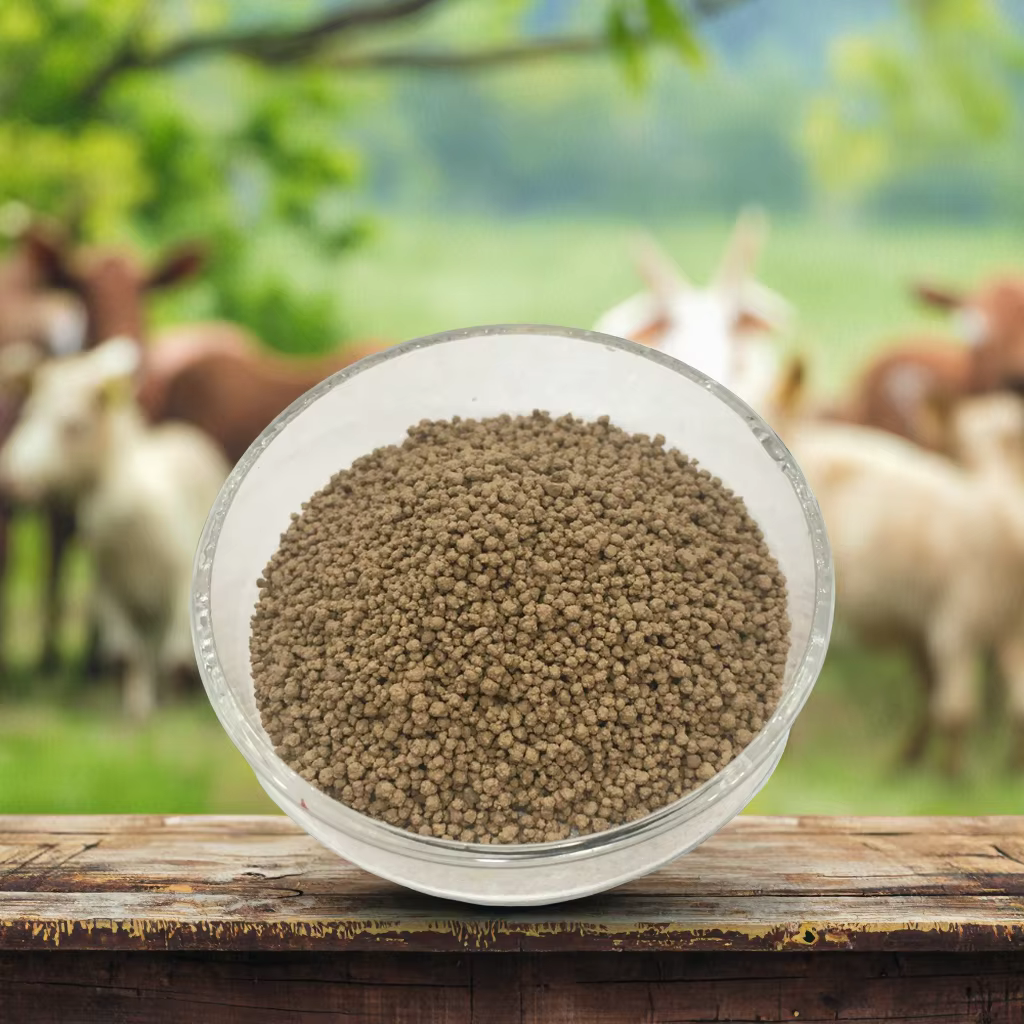
What Is Natural-Source Glutamic Acid Residue—and Why It Matters for Feed Formulation
Definition and origin: distinguishing residue from free glutamic acid in fermented, hydrolyzed, and biomass-derived feed ingredients
Natural-source glutamic acid residue is the protein-rich by-product recovered after fermentation-based production of glutamic acid or monosodium glutamate (MSG). Unlike synthetic free glutamic acid—a purified amino acid additive—the residue retains spent microbial biomass, residual substrates, and cell debris from the fermentation broth. Following flotation, filtration, drying, and milling, it yields a dense, nutrient-rich powder or granule with crude protein typically exceeding 40%, alongside calcium, phosphorus, iron, and B-complex vitamins. Critically, its protein remains embedded in microbial cell walls and partially hydrolyzed peptides—not broken down into free amino acids—making it a slow-release nitrogen source in the gut. This structural distinction sets it apart from hydrolyzed vegetable proteins (which deliver rapid glutamic acid release) and broader biomass sources like yeast or algae (which offer more nucleotides and cell-wall polysaccharides). As a result, the residue functions as a cost-effective, matrix-bound alternative to synthetic amino acids—supporting balanced nitrogen-to-energy ratios and aligning with circular economy goals.
Key natural sources: yeast extract, soy sauce lees, cheese whey concentrate, and microbial fermentation residues
Yeast extract—derived from autolysis of brewer’s yeast—contains ~45% crude protein, a balanced amino acid profile, and high nucleotide levels. Soy sauce lees, the solid residue of traditional soy sauce fermentation, combines soy protein fragments and microbial biomass to deliver 25–30% crude protein and naturally occurring glutamic acid. Cheese whey concentrate supplies lactose, whey proteins, and lactic acid bacteria residues—offering fermentable carbohydrates alongside glutamic acid. Most notably, microbial fermentation residues from industrial Corynebacterium glutamicum processes retain 50–60% crude protein, calcium, phosphorus, and trace minerals after glutamate extraction. All four sources deliver glutamic acid within a complex, whole-food matrix that supports digestive health and growth performance—enabling partial replacement of synthetic amino acids while valorizing co-products across food and fermentation industries.
Physiological Benefits of Glutamic Acid Residue in Monogastric Nutrition
The inclusion of natural-source glutamic acid residue in monogastric diets delivers measurable physiological benefits, particularly through gut health enhancement and growth efficiency. The following subsections detail its impact on intestinal integrity in weaned piglets and performance metrics in broilers.
Enhanced intestinal health via glutamine-glutamate cycle support and tight junction reinforcement in weaned piglets
Glutamic acid residue serves as a critical precursor for glutamine—the primary energy substrate for enterocytes. During the post-weaning period, piglets commonly experience intestinal atrophy and hyperpermeability. Dietary glutamic acid sustains the glutamine-glutamate cycle, replenishing enterocyte glutamine pools without the metabolic spikes associated with free glutamic acid. A study by Duan et al. (2014) found that glutamic acid supplementation in mycotoxin-challenged piglets normalized villus height and crypt depth while upregulating amino acid transporter expression. The resulting glutamine also enhances transcription of tight junction proteins—including occludin and claudin-1—reinforcing the epithelial barrier (Wang et al., 2020). This reduces pathogen and endotoxin translocation, lowering post-weaning diarrhea incidence. Glutamine further activates mTOR signaling to stimulate enterocyte proliferation and repair (Yin et al., 2015), collectively improving gut architecture and nutrient absorption.
Improved growth performance and feed conversion ratio (FCR) in broilers at 0.5–2.0 g/kg inclusion
In broiler production, natural glutamic acid residue consistently improves growth performance at inclusion rates of 0.5–2.0 g/kg. A 42-day trial using 1.5 g/kg reported a 5.3% increase in average daily gain and a 4.7% reduction in FCR versus the basal diet (Li et al., 2023). The effect is dose-dependent: lower levels (0.5 g/kg) enhance palatability and feed intake; higher levels (2.0 g/kg) optimize nutrient utilization. Mechanistically, glutamic acid serves as a major oxidative fuel for intestinal mucosa—sparing glucose and other amino acids for systemic growth—and supplies carbon skeletons for non-essential amino acid synthesis, supporting protein deposition. Research also shows it mitigates gut oxidative stress and lowers inflammatory markers, improving intestinal morphology (He et al., 2021). The consistent 4–6% FCR improvement translates directly to economic value—making the residue a high-impact, evidence-backed additive for commercial broiler diets.
Practical Application of Glutamic Acid Residue: Dosage, Stability, and Feed Matrix Compatibility
Incorporating glutamic acid residue into animal feed demands precision in dosage, stability management, and feed matrix integration to realize its full nutritional potential. Recommended inclusion levels vary by species and life stage: broilers respond well to 0.5–2.0 g/kg for FCR optimization, while weaned piglets benefit most from 1–3 g/kg to support gut health and reduce post-weaning diarrhea. Because the residue typically contains 65–75% crude protein on a dry matter basis, formulators must calibrate dosages against the animal’s lysine-to-energy requirements—and avoid over-supplementation, which can disrupt amino acid balance and raise feed costs.
Stability during processing and storage is essential. Supplied as a dried, free-flowing powder with moisture below 12%, the residue resists microbial spoilage under proper conditions. However, pelleting at temperatures above 85 °C risks degrading heat-sensitive vitamins and reducing protein digestibility. To preserve nutrient integrity, manufacturers often recommend lower-conditioning temperatures or post-pelleting liquid application. For storage, cool, dry conditions prevent caking and oxidation; shelf life reaches 12 months when sealed appropriately.
Feed matrix compatibility requires attention to physical and biochemical interactions. Its fine particle size and hygroscopic nature may cause dust and segregation in mash feeds—especially when blended with coarser grains. Adding a small amount of oil or using a binder improves homogeneity. High mineral content—particularly calcium and phosphorus—can interfere with phytase activity, so enzyme compatibility should be verified in phytase-supplemented diets. While its fermentable protein supports beneficial microbiota, abrupt formulation changes should be avoided to allow microbial adaptation. For optimal outcomes, integrate the residue systematically into complete feeds—with rigorous evaluation of these factors—to ensure consistent intake and sustained performance.
Regulatory Status and Commercial Validation of Natural Glutamic Acid Residue
EFSA QPS and FDA GRAS considerations for fermented biomass- and peat-derived glutamic acid residue
Regulatory acceptance of natural-source glutamic acid residue depends primarily on the safety of its production process. Under the European Food Safety Authority (EFSA), the Qualified Presumption of Safety (QPS) list includes Corynebacterium glutamicum—a microorganism widely used in industrial glutamic acid fermentation. Residues derived from QPS-approved strains are considered safe for feed use without requiring exhaustive toxicological testing. In the United States, the FDA’s Generally Recognized as Safe (GRAS) notification program provides a parallel pathway: multiple GRAS notices have been filed and accepted for fermentation-derived L-glutamic acid, affirming its safety for animal feed applications. Peat-derived residue—though less common—would require a tailored safety assessment to demonstrate equivalence to established fermented sources. Commercial adoption already reflects this confidence: leading global feed manufacturers incorporate these residues to improve palatability, gut health, and feed efficiency—backed by transparent, science-based regulatory frameworks.
FAQ
What is natural-source glutamic acid residue?
Natural-source glutamic acid residue is a protein-rich by-product formed during the fermentation-based production of glutamic acid or monosodium glutamate (MSG). It contains spent microbial biomass, residual substrates, and cell debris, functioning as a cost-effective nitrogen source in animal feed.
How does glutamic acid residue benefit monogastric livestock?
It improves intestinal health, enhances nutrient absorption, reduces oxidative stress, and improves feed conversion ratios in both piglets and broilers, leading to better growth performance and gut health.
What are its recommended inclusion rates?
In broilers, inclusion rates of 0.5–2.0 g/kg optimize feed conversion ratios, while piglets benefit from 1–3 g/kg to improve gut health and reduce post-weaning diarrhea.
Is glutamic acid residue safe?
Yes, residues derived from approved fermentation processes using microorganisms like Corynebacterium glutamicum are considered safe under EFSA and FDA guidelines.
What considerations should be made for feed formulation?
Formulators should account for dosage precision, storage stability, enzyme compatibility, and feed matrix integration to maximize the residue's benefits while preventing nutritional imbalances.
Table of Contents
- What Is Natural-Source Glutamic Acid Residue—and Why It Matters for Feed Formulation
- Physiological Benefits of Glutamic Acid Residue in Monogastric Nutrition
- Practical Application of Glutamic Acid Residue: Dosage, Stability, and Feed Matrix Compatibility
- Regulatory Status and Commercial Validation of Natural Glutamic Acid Residue
- FAQ