 EN
EN

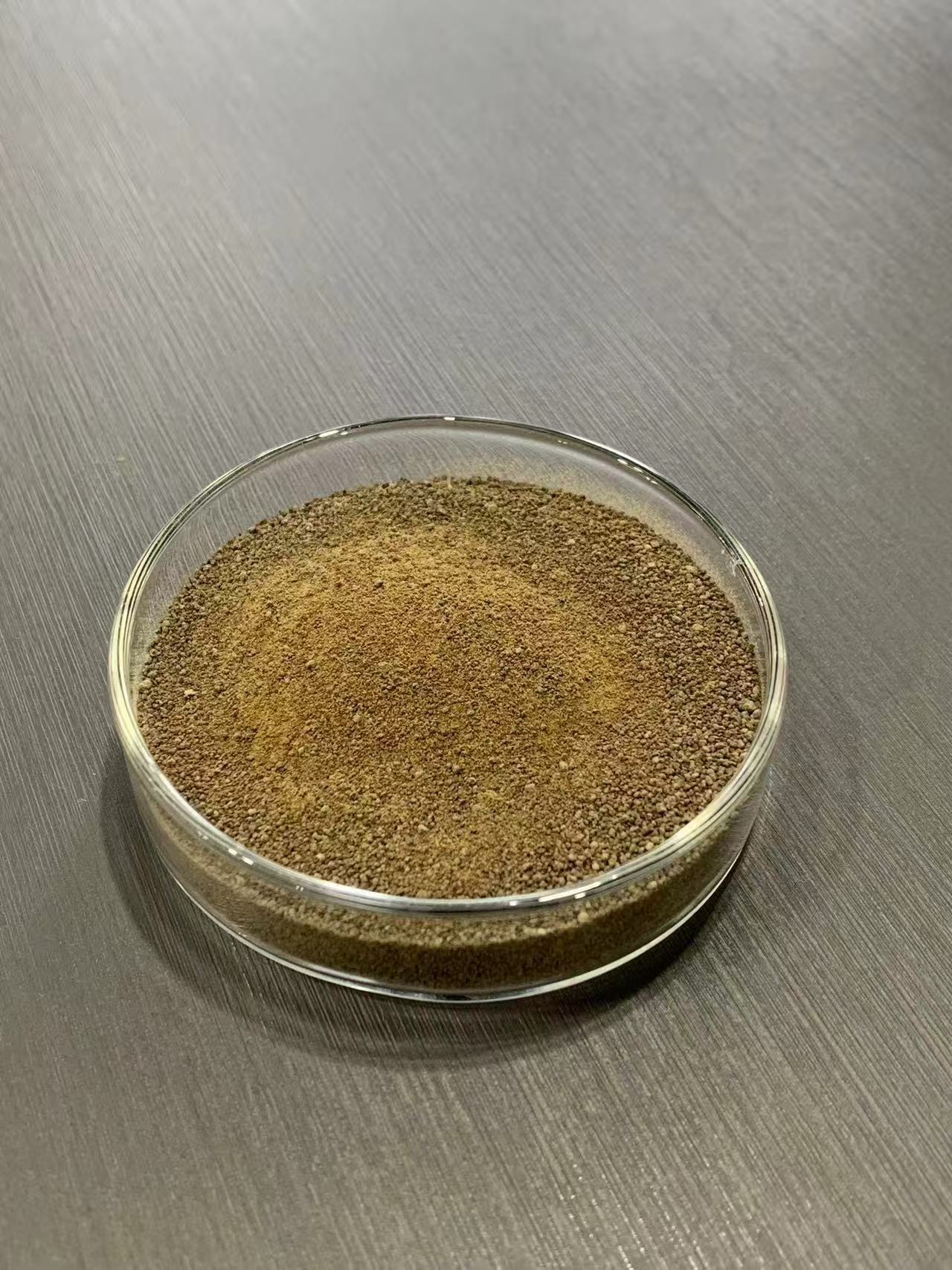
Mycoprotein’s Nutritional and Functional Profile: Why Ratio Matters
Mycoprotein delivers a unique nutritional package: per 100 g wet weight, it provides 11 g of complete protein, 6 g of dietary fiber, only 2.9 g of fat (with just 0.7 g saturated), and 85 kcal. Its protein quality is exceptional, with a protein digestibility-corrected amino acid score (PDCAAS) of 0.996—near-perfect bioavailability. The high fiber content, primarily chitin–glucan, supports satiety and metabolic health. Yet these same components define its functional behavior in food systems. The fiber matrix has a high water-holding capacity, influencing dough viscosity and moisture distribution, while the protein fraction contributes to gelation and emulsification. As a result, the addition ratio directly determines texture, mouthfeel, and stability. Too little fails to deliver meaningful protein or fiber benefits; too much often yields dry, crumbly textures that interfere with starch gelatinization or gluten network development in baked goods. Without precise calibration, developers risk underdelivering on nutrition claims—or producing a product consumers reject. Striking the optimal ratio is therefore essential to harness mycoprotein’s dual advantages without compromising palatability or manufacturability. This balance underpins successful integration into functional foods, where every percentage point shapes both health impact and sensory experience—making ratio selection not a technical footnote, but a strategic decision at the intersection of nutrition science and food engineering.
Evidence-Based Optimal Mycoprotein Addition Ratios by Food Category
Baked Goods and Pasta: 20–30% Inclusion for Texture, Nutrition, and Stability
A 20–30% mycoprotein inclusion in baked goods and pasta delivers measurable nutritional gains without sacrificing structural integrity. Within this range, dough elasticity and crumb structure remain stable, while protein content rises by 15–20% compared to standard wheat formulations. Lower levels fail to meaningfully enhance protein density; above 30%, gluten networks are increasingly disrupted, resulting in brittle textures and reduced loaf volume. Mycoprotein’s inherent fiber also improves moisture retention—extending shelf life in bread and preserving al dente firmness in pasta. A 2023 trial with spaghetti containing 25% mycoprotein maintained cooking quality while boosting per-serving protein by 18%, confirming the practical utility of this range.
Plant-Based Meats and Extruded Analogs: Balancing 30–40% for Sensory Acceptance and Protein Density
For plant-based meats and extruded analogs, the optimal mycoprotein addition ratio falls between 30% and 40%. Within this window, products achieve a fibrous, meat-like chew and protein levels comparable to animal-derived counterparts. Below 30%, the matrix lacks the dense, musculature-like bite consumers expect; above 40%, texture becomes pasty and off-notes—such as beany or earthy tones—may dominate. A 2022 sensory study found patties with 35% mycoprotein scored highest in juiciness and overall liking, while those at 45% were significantly downgraded for texture. Extruded high-moisture analogs benefit from mycoprotein’s natural filament alignment, which enhances bite and reduces reliance on synthetic binders. This ratio thus balances sensory acceptance with nutritional functionality—leveraging mycoprotein’s structural and compositional strengths without overloading the system.
Physiological Impact of Mycoprotein Dosage: From Satiety to Metabolic Response
Dose-Dependent Effects on Postprandial Amino Acid Availability and Insulin Sensitivity
Mycoprotein ingestion elicits dose-dependent effects on postprandial amino acid kinetics and insulin secretion. A randomized crossover study in healthy males showed that, when protein-matched with milk, mycoprotein produced slower but more sustained elevations in plasma essential amino acids (EAA) and branched-chain amino acids (BCAA). These effects increased up to 60–80 g, beyond which no further rise was observed—indicating a ceiling for amino acid bioavailability. Concurrently, mycoprotein consistently blunts postprandial insulin release. In overweight and obese adults, meals containing 44–132 g mycoprotein reduced insulin response at every dose level versus isocaloric chicken meals, with no change in glycemic excursions. Notably, one week of daily consumption did not alter insulin sensitivity in healthy adults, suggesting the insulin-lowering effect is acute and dose-related—not cumulative. This combination—sustained amino acid delivery with lower insulin demand—supports satiety and metabolic health without imposing a glycemic burden.
Diminishing Returns Beyond 40%: Glycemic, Digestive, and Sensory Trade-offs
Beyond 40% inclusion, physiological benefits plateau while digestive and sensory drawbacks emerge. Glucose-lowering effects seen at moderate intakes (e.g., 17 g) do not intensify at higher doses; instead, insulin reduction remains the primary metabolic outcome—with no additional improvement in glycemic control. The high fiber content (~6 g per 100 g) can trigger bloating and gastrointestinal discomfort at intakes exceeding 80 g, limiting tolerable dosage. Sensory evaluation further confirms diminishing returns: above 40%, meat analogs become excessively firm or dry, and the characteristic umami flavor risks overpowering the formulation—reducing consumer acceptance. Thus, while 30–40% inclusion maximizes protein density, metabolic support, and sensory fidelity, pushing beyond this threshold offers minimal nutritional upside and increases the risk of intolerance and rejection.
Frequently Asked Questions (FAQ)
What is Mycoprotein, and Why is it Nutritionally Unique?
Mycoprotein is a high-quality, sustainable protein source derived from fungi. It offers complete protein, high fiber, low fat, and near-perfect protein bioavailability, making it a nutritionally unique food ingredient.
How Does Mycoprotein Affect Food Texture?
Its high fiber content impacts moisture retention and dough elasticity, while its protein contributes to gelation. These characteristics influence the texture, mouthfeel, and stability of various food products.
Why is the Addition Ratio Critical in Food Formulation?
The ratio determines texture, sensory acceptance, and nutritional benefits. Too little may underdeliver on nutrition, while too much can disrupt structural integrity and consumer enjoyment.
What Are the Recommended Ratios for Different Foods?
For baked goods, a 20–30% inclusion is optimal. Plant-based meats and extruded analogs benefit from a 30–40% ratio to ensure fibrous texture and maximal protein density.
Are There Any Digestive or Sensory Issues at High Mycoprotein Levels?
Yes, levels exceeding 40% may trigger digestive discomfort due to high fiber content and diminish consumer acceptance with overly firm or dry textures.