 EN
EN

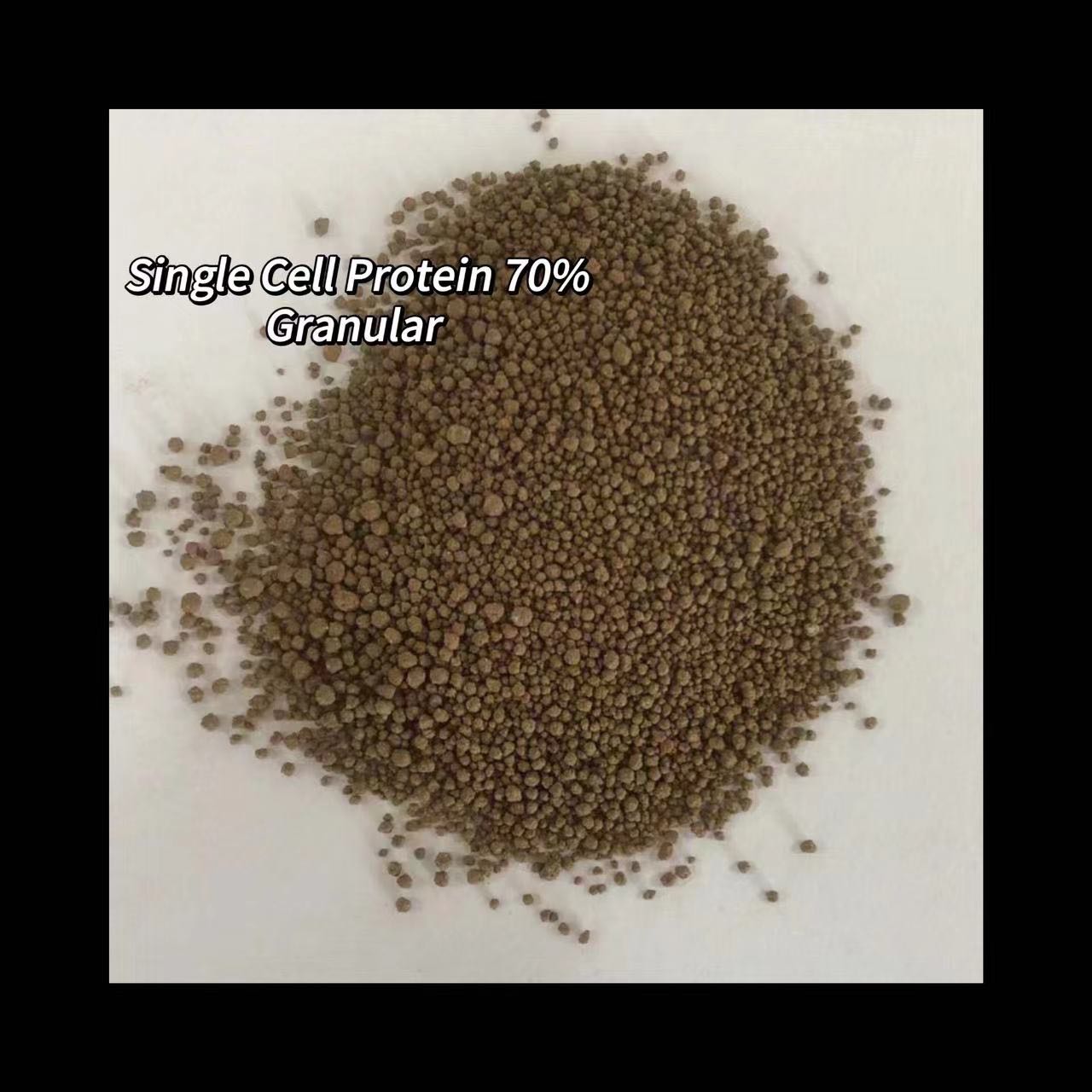
Why Mycoprotein Is a Strategic Protein Alternative in Ruminant Diets
Sustainability and Supply Chain Advantages Over Conventional Proteins
Mycoprotein is produced via fermentation—a land- and climate-independent process that operates continuously in controlled bioreactors. A 2022 life cycle analysis found that producing 1 kg of mycoprotein requires up to 80% less land and 55% less water than soybean meal, with ~60% lower greenhouse gas emissions. This consistent, weather-resilient production insulates ruminant operations from geopolitical and climatic disruptions common in global soy and fishmeal markets—enhancing supply chain stability and buffering input cost volatility. Crucially, fermentation feedstocks can include locally sourced agricultural by-products, further reducing transport-related emissions and supporting regional circularity. For producers aligning with corporate sustainability commitments or Scope 3 reduction goals, mycoprotein offers a scalable, evidence-backed lever for responsible protein sourcing.
Nutritional Profile: High-Quality Amino Acids and Controlled Ruminal Degradability
Mycoprotein contains 45–50% crude protein (DM basis) with a balanced amino acid profile—lysine (6.0–6.5 g/100 g protein) and methionine (2.0–2.3 g/100 g protein) levels comparable to soybean meal—effectively addressing limiting amino acids in cereal-based rations. Its most distinctive nutritional trait is controlled ruminal degradability: 40–55% bypasses the rumen intact, delivering metabolizable amino acids directly to the small intestine. This reduces ammonia overproduction, improves nitrogen use efficiency, and lowers urinary nitrogen excretion. Concurrently, its native chitin–glucan fiber promotes stable rumen pH and supports fibrolytic microbial populations—making it both a high-value protein source and a functional rumen modulator that advances productivity and environmental performance.
Evidence-Based Mycoprotein Dosage Guidelines for Ruminants
Dairy Cattle Trials: Optimal Inclusion Range (5–8% DM) and Performance Outcomes
A 2023 meta-analysis of 14 dairy trials confirmed that replacing conventional protein sources with mycoprotein at 5–8% of diet dry matter (DM) consistently enhances lactation performance. In a randomized block trial with 60 mid-lactation Holsteins, cows fed 7% mycoprotein DM produced 1.8 kg more energy-corrected milk daily than those on soybean meal (P < 0.05), with no adverse effects on rumen pH or neutral detergent fiber (NDF) digestibility. Feed intake increased by 0.5 kg DM/day—suggesting improved palatability. While inclusion at 8% DM occasionally reduced milk fat percentage slightly, net yield gains remained positive. Collectively, these findings establish 5–8% DM as the safe, effective, and performance-optimized range for dairy rations.
Dose-Response Effects on Milk Yield, Nitrogen Efficiency, and Enteric Methane Reduction
A 2022 dose-response study across four inclusion levels (0, 5, 7, and 9% DM) in 80 lactating cows revealed a quadratic response in milk yield, peaking at 7% DM (+2.2 kg/day). Nitrogen use efficiency—measured as milk nitrogen output per unit of dietary nitrogen intake—rose by 11% at 7% DM, attributable to improved amino acid balance and reduced ruminal ammonia loss. Critically, enteric methane emissions per unit of energy-corrected milk declined linearly by 8.5% for every 2% increase in mycoprotein, reaching a 17% reduction at 8% DM (measured via GreenFeed®). However, fiber digestibility dipped marginally beyond 8% DM, indicating a shift in fermentation dynamics. Thus, 5–8% DM represents the practical sweet spot—maximizing milk output, nitrogen efficiency, and methane mitigation without compromising rumen function.
Practical Protocol for Gradual Mycoprotein Dosage Adjustment
Stepwise Titration: Starting at 2% DM, Monitoring Ruminal pH, Fiber Digestibility, and Feed Intake
Introduce mycoprotein gradually to allow rumen microbiota to adapt and prevent digestive disturbances. Begin at 2% of total diet DM and hold for 7–10 days. During this phase, monitor ruminal pH daily (target >6.0); sustained values below this threshold suggest excessive rapid fermentation and risk depressed fiber digestion. Track total mixed ration (TMR) intake and observe for reluctance to consume the ration. If intake remains stable and pH stays within target range, increase inclusion by 1–2% DM weekly until reaching the target level (typically 5–8% DM). Concurrently assess NDF digestibility—ideally via in vitro or in situ assays—to verify continued rumen functionality. This titration protocol minimizes adaptation stress while preserving feed efficiency and milk performance.
Balancing Total Ration Nutrients When Increasing Mycoprotein Inclusion
Replacing conventional protein meals with mycoprotein necessitates whole-ration recalibration—not just crude protein substitution. Because mycoprotein delivers ~45–50% true protein with low rumen-degradable protein (RDP), energy-protein synchrony becomes critical: maintain a non-fiber carbohydrate (NFC) to RDP ratio of 3:1 to 4:1 to optimize microbial protein synthesis. Its relatively low sulfur amino acid content also means supplemental sulfur (e.g., sulfate salts or DL-methionine) is often required to achieve an ideal dietary nitrogen-to-sulfur ratio of 10:1–12:1—preventing limitations in methionine and cysteine availability. Macro-minerals (Ca, P, Mg) and trace elements (Zn, Cu) must be reformulated to avoid antagonisms, particularly since mycoprotein may bind certain minerals. Its chitin–glucan matrix contributes effective fiber, so physically effective NDF (peNDF) and forage inclusion should be adjusted downward slightly to maintain adequate rumination time and buffer capacity. Finally, because each 1% increase in mycoprotein alters total DM concentration, stepwise increases of ≤2% DM per week—paired with daily feed intake monitoring—help prevent subacute ruminal acidosis and support consistent performance.
FAQs
What is mycoprotein?
Mycoprotein is derived from fermentation processes using fungi, offering a sustainable, high-quality protein source.
Why is mycoprotein suitable for ruminant diets?
Mycoprotein provides high levels of protein and balanced amino acids. Its controlled ruminal degradability and chitin–glucan fibers support digestive health and enhance productivity.
What are the environmental benefits of using mycoprotein?
Mycoprotein requires significantly less land, water, and emits lower greenhouse gases compared to conventional protein sources, making it environmentally friendly.
What is the recommended dosage for mycoprotein in dairy cattle diets?
The optimal inclusion range is between 5–8% of diet dry matter for improved milk production, nitrogen efficiency, and reduced methane emissions.
How can I introduce mycoprotein in ruminant diets?
Gradual introduction starting at 2% diet DM, with stepwise increments of 1–2% weekly, is recommended while monitoring ruminal pH and fiber digestibility.