 EN
EN

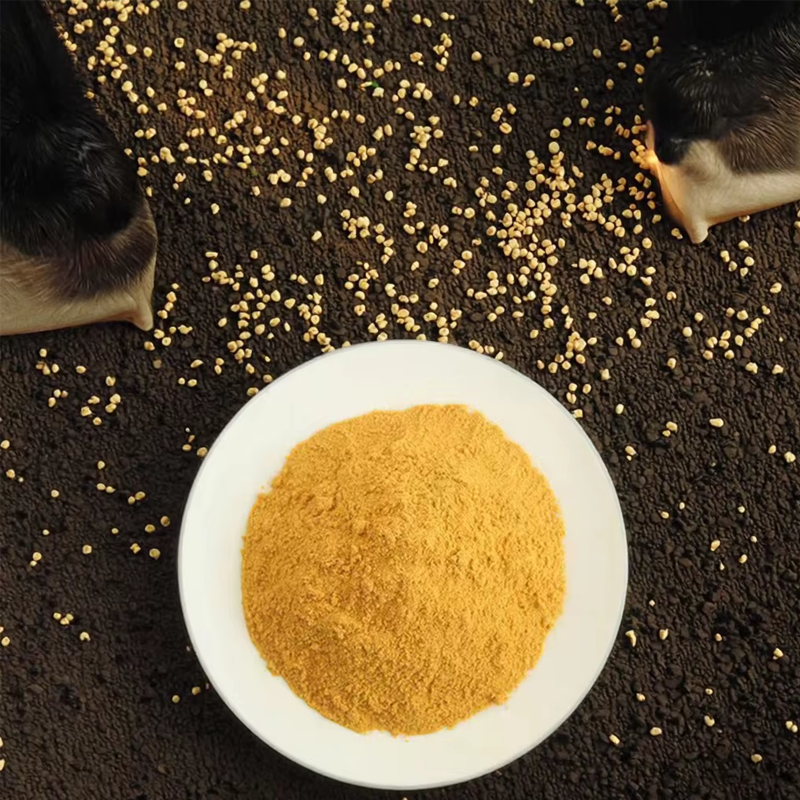
Corn Gluten Meal 60%: Protein Content, Quality Verification, and Feed Grade Standards
Corn gluten meal is a concentrated protein ingredient derived from corn wet-milling. Its value in animal feed hinges on consistent crude protein levels and compliance with established feed grade specifications. Reliable quality control ensures that each batch delivers the expected nutritional contribution.
Validating true crude protein (60%) and batch consistency for commercial feed use
True crude protein content in corn gluten meal must be verified through standardized nitrogen analysis—typically the Kjeldahl method—with results expressed as protein (N × 6.25). While marketed as 60% protein, analytical data from typical shipments range between 60% and 65% on a dry matter basis. To guarantee batch consistency, feed mills should request certificates of analysis reporting moisture (8–12%), fat (2–4%), and ash (1–2%). Variations in these components directly affect usable protein density. Routine lab testing of incoming loads—focusing on protein and moisture—can detect deviations early; for example, a drop to 58% protein due to residual starch or bran compromises diet formulation accuracy. Well-managed suppliers adhere to GMP+ or equivalent feed safety schemes, ensuring freedom from contaminants and alignment between declared and actual nutritional values—key foundations for corn gluten meal’s role as a dependable high-protein feedstuff.
Comparing corn gluten meal protein density to soybean meal, fishmeal, and canola meal
Corn gluten meal at 60% crude protein surpasses conventional plant proteins: soybean meal contains 44–48%, and canola meal only 36–38%. This means corn gluten meal delivers ~25% more protein per unit than soybean meal, reducing inclusion rates needed to meet dietary targets. Fishmeal (60–65% protein) occupies a similar concentration bracket—but differs fundamentally in amino acid profile. While fishmeal excels in lysine and methionine, corn gluten meal is rich in methionine yet severely deficient in lysine. As a result, it can partially replace fishmeal or soybean meal in formulations, provided diets are rebalanced for essential amino acids. Its high protein density also frees up formulation space for energy sources—a practical advantage in high-performance rations.
Rumen-Undegradable Protein Function: Optimizing Corn Gluten Meal in Ruminant Diets
RUP kinetics: 45–55% rumen bypass efficiency and implications for dairy and beef rations
Corn gluten meal provides a unique advantage in ruminant nutrition because roughly 45–55% of its crude protein escapes rumen degradation, classifying it as a high-RUP (rumen-undegradable protein) feedstuff. This bypass fraction resists microbial breakdown and delivers essential amino acids—including methionine, often the first-limiting amino acid for milk protein synthesis—directly to the small intestine for absorption. For high-producing dairy cows, this reduces reliance on costly rumen-protected amino acid supplements. In beef cattle, it supports lean tissue accretion while minimizing nitrogen loss as urinary urea. The steady supply of intestinal amino acids also helps stabilize blood glucose, improving feed efficiency during late gestation or finishing phases. Because its degradable protein fraction still fuels microbial growth, corn gluten meal offers dual-phase protein delivery—making it a strategic tool for precision feeding programs that balance metabolizable protein supply with rumen health.
Field-proven performance: 12% corn gluten meal inclusion boosts milk protein yield by 0.18%
Commercial trials and long-term research confirm that corn gluten meal’s RUP value translates into measurable production gains. A comprehensive 12-year literature review of rumen-undegradable protein effects on dairy performance documented that replacing a portion of soybean meal with corn gluten meal at 12% of dietary dry matter consistently increased milk protein yield by 0.18% Santos et al., 1998. That improvement reflects higher casein output and better nitrogen utilization, as the amino acid profile of bypassed corn protein complements microbial protein. Nutritionists often target this inclusion level during early lactation—when energy demands are high and protein quality is critical. Even at lower levels, the concentrated RUP fraction helps maintain milk component yields when forage quality fluctuates. In beef operations, similar inclusion rates support higher average daily gain without causing subacute ruminal acidosis—provided total dietary carbohydrate balance is maintained. These field-validated outcomes highlight corn gluten meal’s role as a cost-effective, high-efficiency protein source for ruminants.
Amino Acid Profile Strengths and Limitations of Corn Gluten Meal
High methionine (1.9–2.2%) and cysteine — benefits for poultry feathering, hoof integrity, and antioxidant status
Corn gluten meal delivers a concentrated source of sulfur amino acids, with methionine typically ranging from 1.9% to 2.2% and cysteine around 0.6–0.9%. This profile directly supports keratin synthesis, making it valuable for poultry feathering and hoof integrity in livestock. Methionine serves as the primary methyl donor and precursor for cysteine, which together form glutathione—a critical intracellular antioxidant. In broiler diets, adequate methionine + cysteine intake reduces feather pecking and improves plumage coverage. For ruminants, the high sulfur amino acid content promotes strong hoof horn and hair coat quality. Its low fiber and absence of anti-nutritional factors further enhance digestibility, allowing efficient use of these amino acids.
Critical lysine (0.25%) and tryptophan (0.12%) deficits — species-specific supplementation guidelines
Corn gluten meal’s protein quality is limited by very low lysine (0.25%) and tryptophan (0.12%), falling far below animal requirements. In poultry, lysine deficiency suppresses growth and breast meat yield; diets must therefore be balanced with synthetic L-lysine or soybean meal. Swine rations rely on lysine as the first limiting amino acid, so corn gluten meal inclusion requires precise lysine supplementation to avoid performance losses. Ruminants can partially compensate via rumen microbial protein synthesis, but high-producing dairy cows benefit from rumen-protected lysine or lysine-rich ingredients. In aquaculture, lysine and tryptophan deficits impair feed efficiency until corrected with supplemental amino acids—underscoring corn gluten meal’s role as a complementary, not standalone, protein source.
Practical Inclusion Strategies Across Species: Poultry, Swine, Aquaculture, and Companion Animals
Corn gluten meal 60% offers flexible inclusion levels across species, but success hinges on target amino acid balancing and gradual adaptation. For poultry, inclusion rates of 5–10% of the diet can lower feed costs and supply high methionine (up to 2.2%) and energy—though synthetic lysine and tryptophan must be added to overcome inherent deficits. In swine, levels up to 10% are common, with careful attention to lysine-to-energy ratio; introducing the ingredient over 7–10 days minimizes palatability challenges. For aquaculture, carnivorous species such as salmon and trout can utilize corn gluten meal at 15–20% as a partial fishmeal replacer, but formulators need to compensate for low lysine and phosphorus content. In companion animal diets, small amounts (1–3%) serve as a functional protein source, while higher levels risk digestive upset. Across all species, monitoring feed intake, growth performance, and economic returns ensures that the inclusion strategy aligns with production goals and cost-effectiveness.
Frequently Asked Questions (FAQ)
What is the crude protein content of corn gluten meal?
Corn gluten meal is marketed with a crude protein content of 60%, although typical analytical data reveals it can range between 60% and 65% on a dry matter basis.
How does corn gluten meal compare to other feed ingredients?
Corn gluten meal has a higher protein density compared to soybean meal and canola meal, and has a similar concentration to fishmeal. However, its amino acid profile is deficient in lysine and tryptophan, which require supplementation.
What is rumen-undegradable protein (RUP) in corn gluten meal?
Rumen-undegradable protein accounts for 45–55% of corn gluten meal’s protein content, allowing essential amino acids to bypass microbial breakdown in the rumen and be absorbed in the small intestine.
How can corn gluten meal be used in dairy cow diets?
Including corn gluten meal at 12% of dietary dry matter can boost milk protein yield by 0.18%. It also aids in supplying amino acids for milk synthesis and stabilizing nitrogen utilization.
Can corn gluten meal be used in aquaculture diets?
Yes, corn gluten meal can be included at rates of 15–20% in carnivorous aquaculture species like salmon and trout, provided lysine and phosphorus levels are corrected.
Table of Contents
- Corn Gluten Meal 60%: Protein Content, Quality Verification, and Feed Grade Standards
- Rumen-Undegradable Protein Function: Optimizing Corn Gluten Meal in Ruminant Diets
- Amino Acid Profile Strengths and Limitations of Corn Gluten Meal
- Practical Inclusion Strategies Across Species: Poultry, Swine, Aquaculture, and Companion Animals
- Frequently Asked Questions (FAQ)