 EN
EN

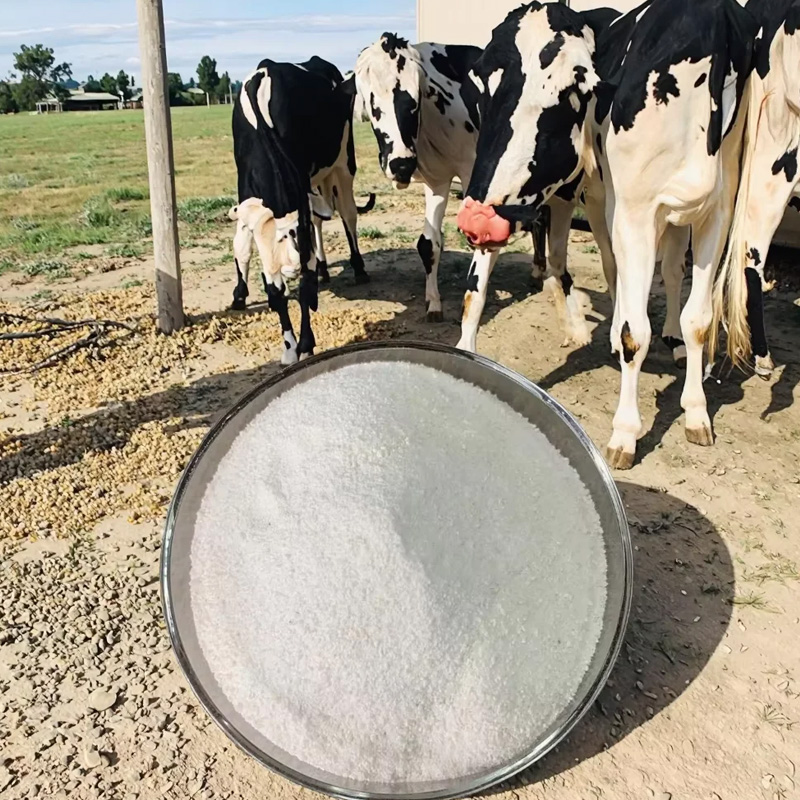
Why Rice Protein Powder 70% Is a Strategic Fish Meal Alternative in Aquafeeds
With global fishmeal prices exceeding $1,500 per tonne in 2023 (FAO) and wild fish stocks increasingly constrained by overfishing and climate pressures, aquaculture producers urgently need cost-effective, sustainable protein alternatives. Rice protein powder 70%—a high-purity by-product of starch and sugar production—meets this need with ~75% crude protein, ~11% lipids, and a well-balanced amino acid profile. Its low antigenicity minimizes feed-induced gut inflammation, while its absence of heat-stable trypsin inhibitors and other anti-nutritional factors ensures high digestibility and supports intestinal health. Research shows rainbow trout maintain growth performance and fillet quality with up to 20% fishmeal replacement, and Nile tilapia tolerate 25% substitution—demonstrating improved antioxidant capacity and immune response. Beyond nutrition, rice protein concentrate enhances feed palatability and digestive efficiency, and reduces nitrogenous waste excretion—supporting water clarity and lowering operational costs in recirculating aquaculture systems (RAS). Though slightly lower in methionine and lysine than fishmeal, these gaps are readily corrected through targeted crystalline amino acid supplementation. By diversifying away from ecologically vulnerable marine resources, rice protein powder 70% enables feed cost stabilization and environmental stewardship—making it a cornerstone ingredient for responsible, future-ready aquafeed formulation.
Optimizing Nutritional Performance: Amino Acid Balancing and Digestibility of Rice Protein Powder 70%
Addressing lysine, methionine, and threonine limitations through targeted supplementation
Rice protein powder 70% is deficient in lysine (first limiting), methionine (second), and threonine (third) relative to the requirements of most farmed fish. For example, lysine constitutes only 2.5–3.0% of its protein—well below the 5.5–6.0% recommended for Nile tilapia (NRC 2011). Unaddressed, these deficits impair protein synthesis, feed efficiency, and growth. Crystalline amino acid supplementation effectively closes these gaps: commercial diets with 20% rice protein inclusion typically use 0.3% L-lysine HCl and 0.2% DL-methionine, boosting specific growth rate by 15–20% (2022 feeding study). Adding 0.15% L-threonine further aligns the diet with the ideal protein concept—enhancing gut integrity and immune resilience. This precise, evidence-based approach unlocks rice protein’s full potential, enabling high-level fishmeal replacement without compromising performance.
Comparative digestibility: Rice protein powder 70% vs. soybean meal and corn gluten meal
Rice protein powder 70% delivers superior apparent crude protein digestibility—89–92% in Nile tilapia—outperforming soybean meal (78–84%) and corn gluten meal (80–85%) (2019 digestibility trial) and approaching that of premium fishmeal (90–95%). Its rapid enzymatic hydrolysis in pepsin-pancreatin assays confirms high bioavailability in vivo. Unlike soybean meal, it contains no heat-stable trypsin inhibitors; unlike corn gluten meal, it offers consistently high lysine digestibility across batches. This reliability supports efficient amino acid uptake, lowers nitrogen excretion, and allows higher inclusion levels without sacrificing feed conversion—strengthening its role in sustainable, high-performance aquafeeds.
Maximizing Inclusion Without Compromising Health: Immune and Antioxidant Responses to Rice Protein Powder 70%
Rice protein powder 70% supports robust health when included at appropriate levels—not merely as a protein source, but as a functional ingredient. Its hypoallergenic nature and bioactive peptides contribute to immunomodulation and oxidative defense. In Nile tilapia, inclusion level directly influences key physiological markers: lysozyme (a humoral immune effector), superoxide dismutase (SOD), and catalase (CAT)—all exhibit clear dose-dependent responses.
Dose-dependent effects on lysozyme, SOD, and CAT activity in Nile tilapia
Lysozyme activity increases significantly at moderate inclusion (15–30% fishmeal replacement), peaking at +25% above control at 20% rice protein inclusion. However, beyond 40%, activity declines—likely due to amino acid imbalance or subtle antinutritional carryover. Similarly, SOD and CAT activities reach optimal levels at 20–25% inclusion (+15% and +13% over control, respectively), then fall to baseline or below at ≥35%. These findings indicate a physiological threshold: inclusion above 30% risks oxidative stress and immune suppression. Staying within this window preserves innate immunity, disease resistance, and overall welfare—confirming that how much matters as much as what is used.
Practical Formulation Guidelines for Commercial-Scale Use of Rice Protein Powder 70%
Successful large-scale adoption hinges on systematic, iso-nitrogenous formulation that leverages local supply chains while safeguarding nutritional balance. Rice protein powder 70% provides high-quality protein—but must be paired strategically with complementary plant ingredients and crystalline amino acids to meet species-specific requirements. Heat treatment or fermentation of local co-ingredients can further improve digestibility and reduce variability. The step-by-step method below outlines a validated, scalable process for Nile tilapia and similar species.
Step-by-step iso-nitrogenous diet design using rice protein powder 70% and locally available plant ingredients
- Set target crude protein level (e.g., 30% for Nile tilapia).
- Choose rice protein inclusion rate (15–20% recommended for balanced performance and health).
- Calculate its protein contribution: e.g., 20% × 70% = 14% dietary protein.
- Source remaining protein (e.g., 16% for a 30% target) from locally available, cost-effective ingredients—such as soybean meal (48% protein) and corn gluten meal (60% protein)—adjusting ratios to achieve ideal amino acid balance.
- Supplement with crystalline lysine and methionine based on digestible amino acid profiles and the ideal protein concept—not total protein alone.
- Prioritize heat-treated or fermented local ingredients to minimize antinutritional risk and maximize nutrient availability.
- Validate final formulation via small-scale feeding trials before scaling—monitoring growth, FCR, and key health biomarkers (e.g., lysozyme, SOD) to confirm functional efficacy.
FAQ
What is rice protein powder 70%?
Rice protein powder 70% is a high-protein by-product derived from starch and sugar production, containing approximately 75% crude protein and a well-balanced amino acid profile. It is used as a sustainable and cost-effective alternative to fish meal in aquafeeds.
Why is rice protein powder 70% suitable for aquaculture?
Rice protein powder 70% offers high digestibility, low antigenicity, and an absence of anti-nutritional factors, making it ideal for supporting fish growth and health. It also improves feed palatability and reduces nitrogen waste in aquaculture systems.
How is the amino acid deficiency of rice protein powder addressed?
The limitations of lysine, methionine, and threonine in rice protein powder can be overcome by supplementing commercial diets with crystalline amino acids to meet the specific nutritional needs of farmed fish species.
What are the recommended inclusion rates for rice protein powder in aquafeeds?
Inclusion rates of 15–20% are typically recommended for species like Nile tilapia to balance performance, health, and nutrition. Higher rates may impair immune and oxidative functions if not properly balanced with amino acid supplementation.
How does rice protein powder compare with other alternatives like soybean meal?
Rice protein powder has higher crude protein digestibility (89–92%) compared to soybean meal (78–84%) and contains no trypsin inhibitors, making it a more digestible and efficient protein source for aquafeeds.
Table of Contents
- Why Rice Protein Powder 70% Is a Strategic Fish Meal Alternative in Aquafeeds
- Optimizing Nutritional Performance: Amino Acid Balancing and Digestibility of Rice Protein Powder 70%
- Maximizing Inclusion Without Compromising Health: Immune and Antioxidant Responses to Rice Protein Powder 70%
- Practical Formulation Guidelines for Commercial-Scale Use of Rice Protein Powder 70%
-
FAQ
- What is rice protein powder 70%?
- Why is rice protein powder 70% suitable for aquaculture?
- How is the amino acid deficiency of rice protein powder addressed?
- What are the recommended inclusion rates for rice protein powder in aquafeeds?
- How does rice protein powder compare with other alternatives like soybean meal?