 EN
EN

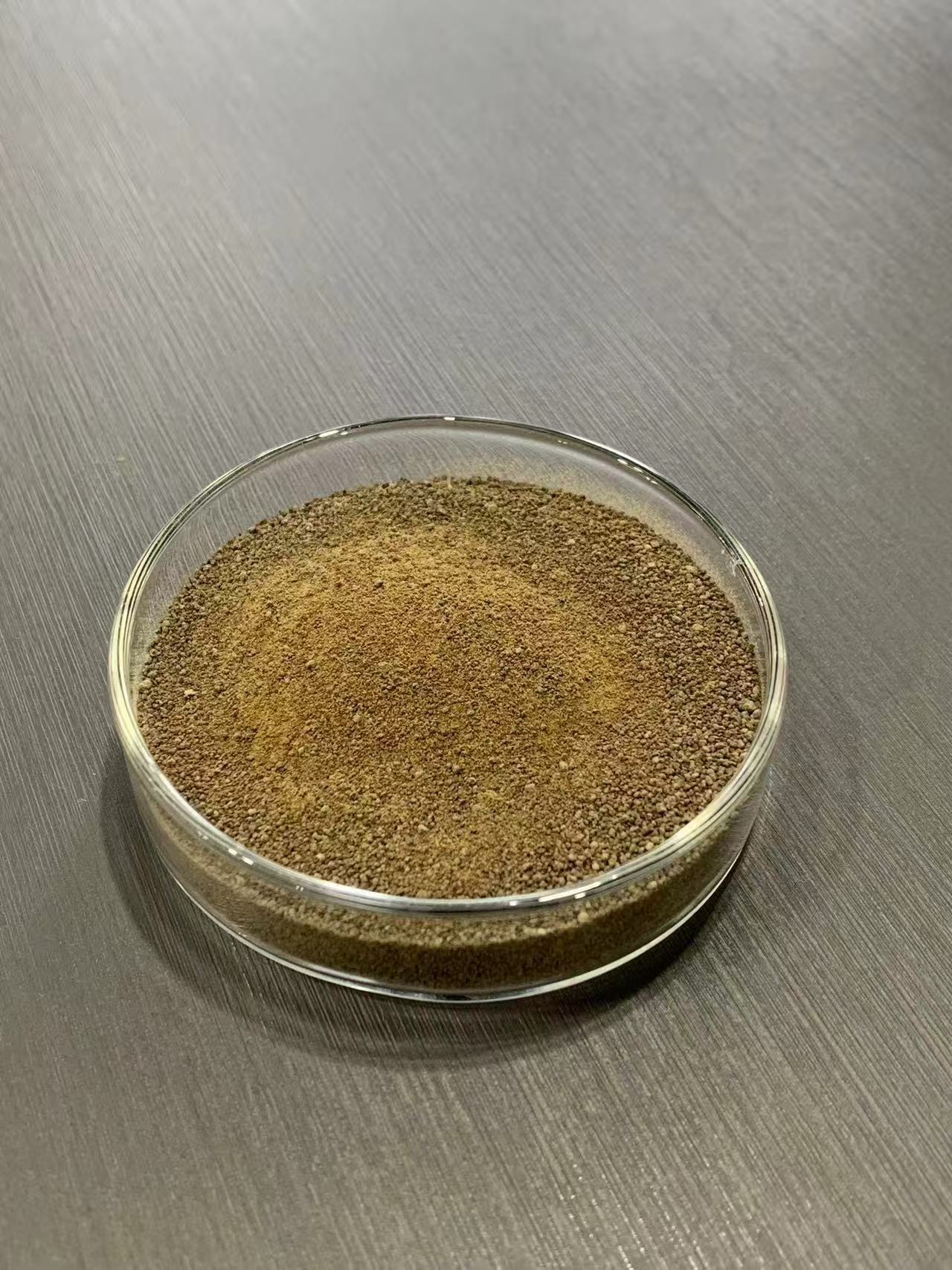
Understanding Mycoprotein’s Protein Profile and Bioavailability
Mycoprotein’s nutritional value hinges on its protein concentration and how well that protein is digested and absorbed. Two key aspects—fermentation method and processing parameters—ultimately define the ingredient’s functional and nutritional utility.
Protein concentration variability: solid-state vs. submerged fermentation
The protein content of mycoprotein varies significantly with cultivation method. Submerged fermentation—the dominant industrial process for producing Fusarium venenatum—yields a consistent 45–55% protein on a dry weight basis, thanks to precise control of liquid medium composition, pH, and aeration. In contrast, solid-state fermentation (SSF) produces a broader range (30–60%), influenced by substrate (e.g., wheat bran, soy pulp) and strain. SSF’s lower water activity and nutrient heterogeneity create growth gradients that directly affect protein density in the biomass. For food formulators, this means SSF-derived mycoprotein may require blending or post-processing to meet target protein levels, whereas submerged-fermentation mycoprotein offers predictable performance in meat analogues and fortified foods.
PDCAAS scores and digestibility—how fermentation parameters influence mycoprotein bioavailability
Mycoprotein achieves a PDCAAS of 0.996—near the theoretical maximum—indicating it supplies all essential amino acids in proportions comparable to high-quality animal proteins (Nutritional Profile Review, 2023). This high score reflects both amino acid balance and strong digestibility. Crucially, fermentation conditions modulate bioavailability by shaping the fungal cell wall: in vitro studies show ~51% of protein is released during intestinal digestion, yet hyphal integrity remains largely intact (Mycoprotein Digestion Study, 2021). The observed high in vivo bioavailability stems from digestion-induced changes in cell wall porosity—allowing enzyme access without full structural collapse. Parameters such as pH, fermentation time, and oxygen tension therefore fine-tune the cell wall matrix and, consequently, the efficiency of protein liberation. Tight control over these variables is essential to optimize nutritional performance.
Functional Behavior of Mycoprotein in Food Systems
Fiber-protein matrix effects on texture, emulsification, and moisture retention
Mycoprotein’s native filamentous structure—a hyphal network rich in chitin and β-glucans—forms a porous, fibrous matrix that traps water and fat, enhancing moisture retention and reducing syneresis. This architecture also delivers a chewy, meat-like mouthfeel. Freeze-dried mycoprotein concentrate (MC) demonstrates strong native emulsifying capacity, likely due to interfacial activity of its protein-polysaccharide complex. However, isolation methods that disrupt the matrix impair functionality: alkaline solubilization followed by acid precipitation yields mycoprotein isolate (MI) with markedly reduced emulsifying and foaming properties, attributed to proteolytic hydrolysis during processing. Preserving the integrity of the fiber-protein matrix is thus critical to unlocking mycoprotein’s full water-binding, textural, and emulsifying potential.
Thermal gelation and shear response: implications for meat analogue integrity
Mycoprotein forms heat-induced gels vital for structural integrity in meat analogues. Upon heating, protein denaturation exposes hydrophobic groups, triggering aggregation and network formation—reinforced by embedded fibers to deliver elasticity and chewiness. Pre-heating at 70°C improves foaming capacity but reduces foam stability, confirming thermal denaturation alters surface properties. Shear also plays a decisive role: during extrusion or mixing, hyphae can align to produce anisotropic texture, but excessive shear fragments the fiber network, yielding a pasty, low-cohesion mass. Achieving authentic meat-like mouthfeel therefore requires calibrated thermal and mechanical inputs—balancing gel strength with fiber continuity.
Evidence-Based Optimal Mycoprotein Addition Ratios by Application
Formulating with mycoprotein demands precise inclusion levels to harmonize functional performance, sensory quality, and nutritional goals. Controlled trials across food categories reveal clear, application-specific thresholds.
Meat analogues (e.g., nuggets): 12–18% mycoprotein for balanced chewiness, protein density, and yield
A 12–18% incorporation rate consistently delivers optimal chewiness, moisture retention, and protein enrichment. At 15%, sensory panels recorded a 22% increase in perceived chewiness versus a 10% baseline, alongside a 14% rise in protein density (2023). Exceeding 18% induces brittleness, dryness, and a 9% drop in cooked yield due to excessive water binding. Texture profile analysis confirms this range preserves the continuous fibrous matrix essential for authentic meat mimicry.
Bakery and pasta fortification: ≤10% to preserve dough rheology and shelf life
In bakery and pasta applications, inclusion must remain at or below 10% to maintain dough extensibility, loaf volume, and crumb structure. A 12% addition reduced loaf volume by 25% and increased crumb firmness by 18% after 72 hours (2022). Above this threshold, mycoprotein’s high water-absorption capacity interferes with gluten network development—leading to dense, gummy bread and pasta that loses 15% of its firmness upon cooking. Staying at ≤10% ensures fortified products retain original texture, structural integrity, and shelf life while delivering a meaningful 5–7% protein boost.
The Sensory-Processing-Nutrition Trade-Off in Mycoprotein Formulation
Mycoprotein’s distinctive cell wall—a composite of β-glucans and chitin—sits at the nexus of sensory experience, processing behavior, and metabolic impact. To achieve meat-like chewiness or stable emulsions, manufacturers often apply heat, shear, or particle size reduction. These interventions can enhance functional properties by disrupting the fibrous network and increasing protein release—but they simultaneously weaken the cell wall’s capacity to entrap digestive enzymes and bile salts. Intact walls are associated with slower carbohydrate and lipid digestion, contributing to lower glycemic responses and reduced fat absorption; conversely, intense processing may attenuate these benefits. Preserving native structure supports resilient texture and health advantages but can constrain protein bioaccessibility and process flexibility. The optimal formulation strategy therefore involves intentional trade-offs: selecting processing intensities that meet sensory and functional targets while retaining enough matrix integrity to sustain mycoprotein’s unique nutritional value.
FAQ: Understanding Mycoprotein’s Protein Profile and Applications
What is mycoprotein?
Mycoprotein is a protein-rich ingredient derived from fungal biomass, commonly produced using Fusarium venenatum. It is used in various food applications, particularly as a meat analogue or protein supplement.
How is mycoprotein produced?
It is produced through fermentation, primarily submerged fermentation, which provides consistent protein concentration. Solid-state fermentation can also be utilized but yields variable protein levels depending on the substrate and strain.
What is the PDCAAS score for mycoprotein?
Mycoprotein has a PDCAAS score of 0.996, indicating it provides all essential amino acids in a proportion comparable to high-quality animal proteins.
What are its applications in food?
Mycoprotein is used in meat analogues for chewiness and protein density, bakery and pasta fortification to boost protein levels, and as an emulsifier or water-binding agent thanks to its unique fiber-protein matrix.
What are the challenges of processing mycoprotein?
Processing can impact its sensory and functional properties. Intense processing may weaken its structural integrity, reducing health benefits and bioaccessibility while improving digestibility or functional performance.
Table of Contents
- Understanding Mycoprotein’s Protein Profile and Bioavailability
- Functional Behavior of Mycoprotein in Food Systems
- Evidence-Based Optimal Mycoprotein Addition Ratios by Application
- The Sensory-Processing-Nutrition Trade-Off in Mycoprotein Formulation
- FAQ: Understanding Mycoprotein’s Protein Profile and Applications