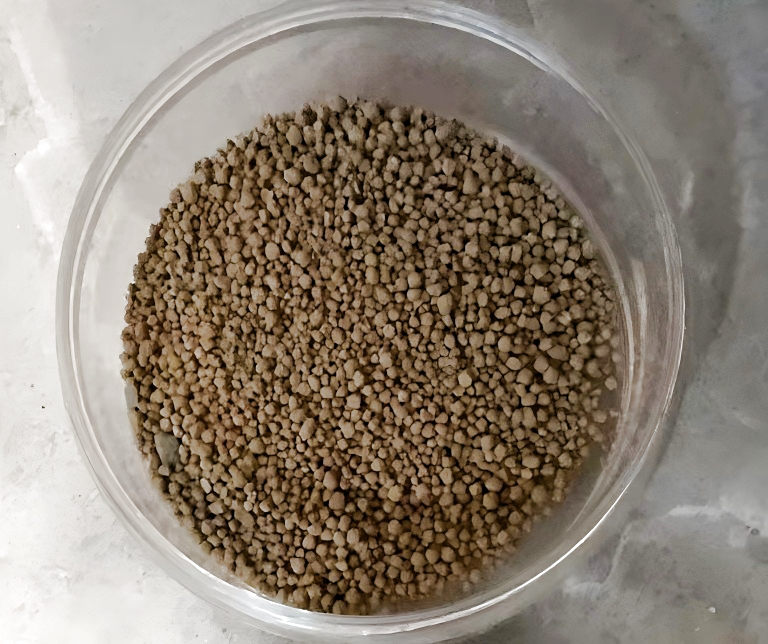
Scientific Basis: How Glutamic Acid Residue 70% Enhances Nutrient Utilization and ImmunitymTOR Activation and Amino Acid Transport SynergyThe glutamic acid residue delivers a high concentration of bioavailable L-glutamate—its primary functional compo...
VIEW MORE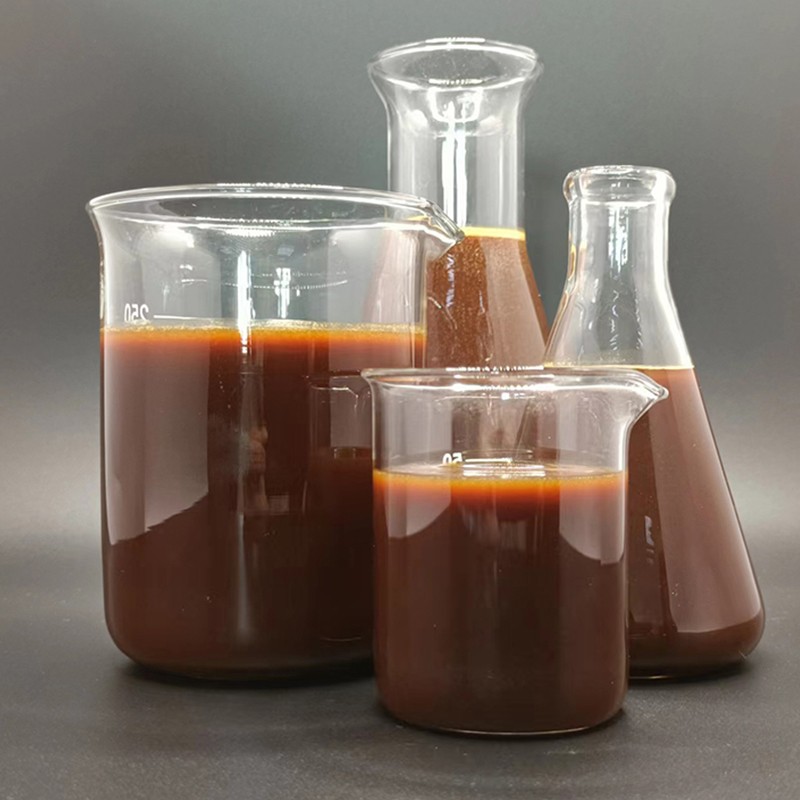
What Is Corn Hydrolysate 42%? Biochemical Properties and Agronomic BenefitsAmino acid profile, free peptides, and phyto-stimulatory compounds in corn hydrolysate 42%Corn hydrolysate 42% is a concentrated biostimulant derived from corn protein via enz...
VIEW MORE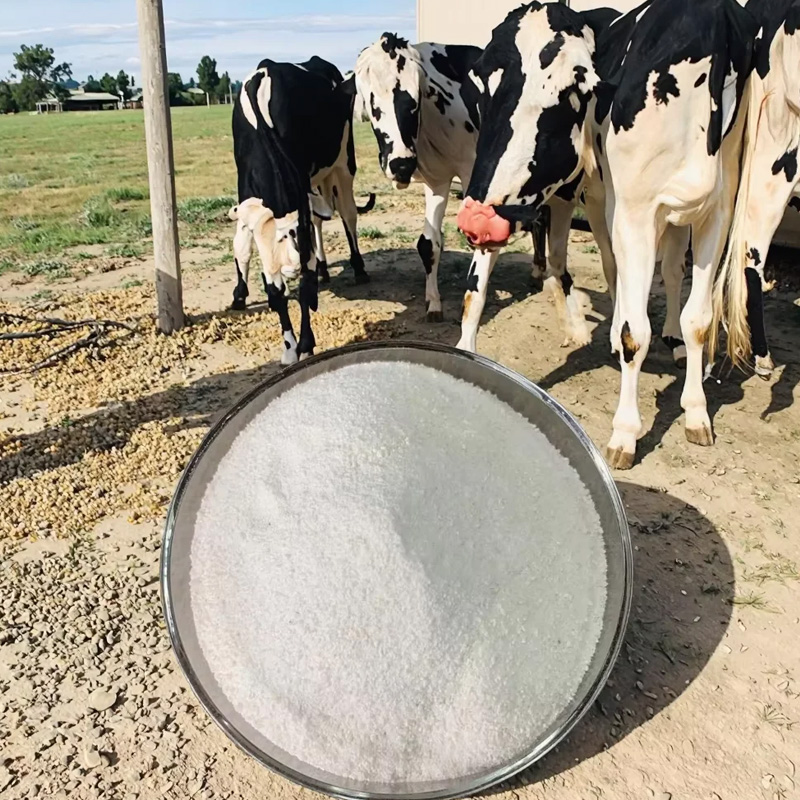
Why Rice Protein Powder 70% Is a Strategic Fish Meal Alternative in AquafeedsWith global fishmeal prices exceeding $1,500 per tonne in 2023 (FAO) and wild fish stocks increasingly constrained by overfishing and climate pressures, aquaculture producer...
VIEW MORE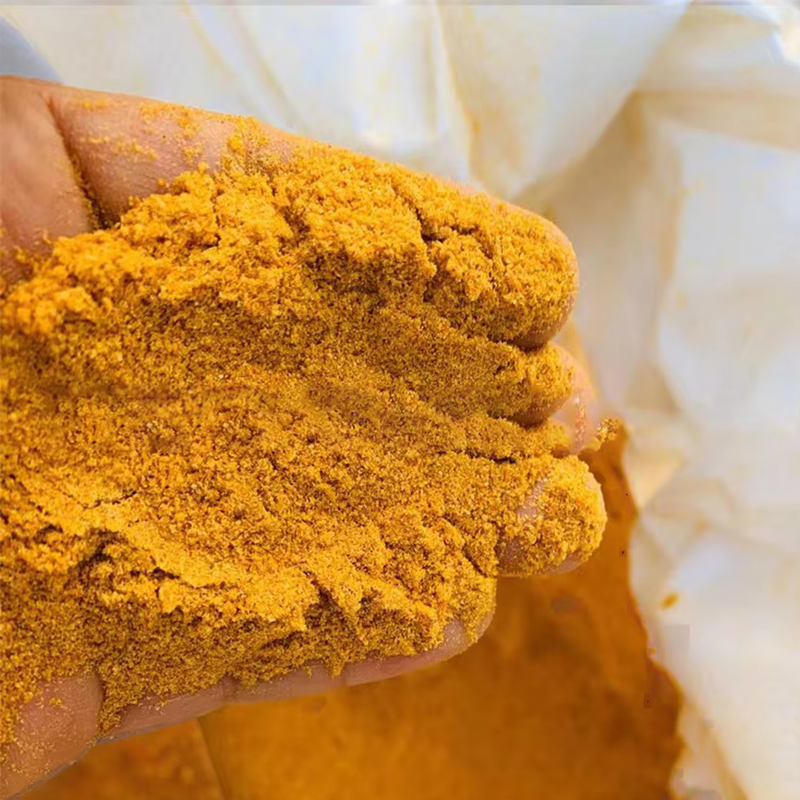
Why Corn Gluten Meal 60% Requires Species-Specific Dosage AdjustmentProtein Quality Mismatch: Lysine Limitation vs. Methionine Excess Across LivestockCorn gluten meal’s amino acid profile is inverted relative to the needs of most monogastric animals:...
VIEW MORE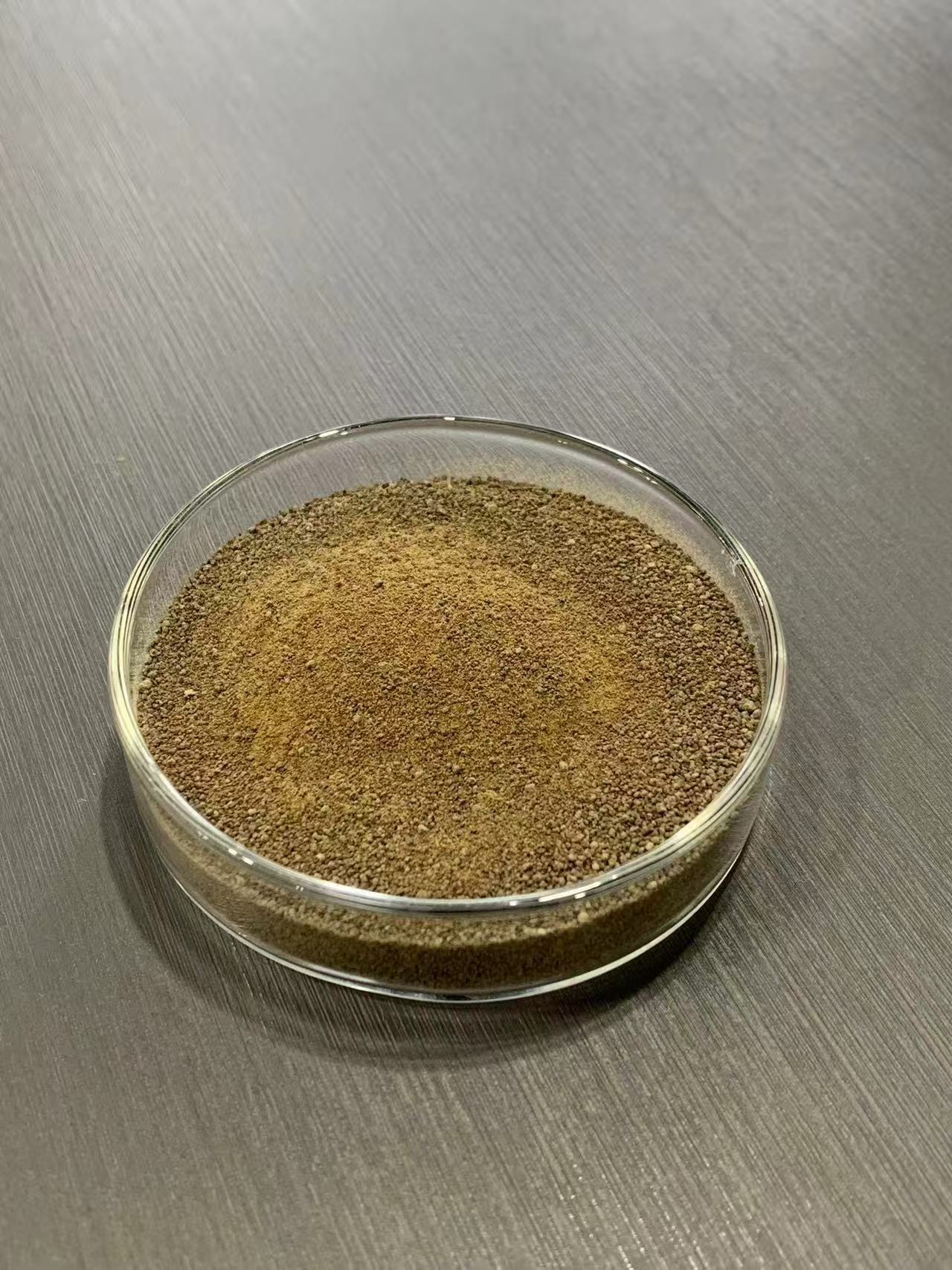
Mycoprotein’s Nutritional and Functional Profile: Why Ratio MattersMycoprotein delivers a unique nutritional package: per 100 g wet weight, it provides 11 g of complete protein, 6 g of dietary fiber, only 2.9 g of fat (with just 0.7 g saturated), and...
VIEW MORE
Corn Steep Liquor Powder: A Science-Backed Organic Soil BiostimulantField Evidence: Consistent 42% improvement in soil aggregate stability and biological activityCorn steep liquor powder has emerged as a reliable organic biostimulant, backed by consi...
VIEW MORE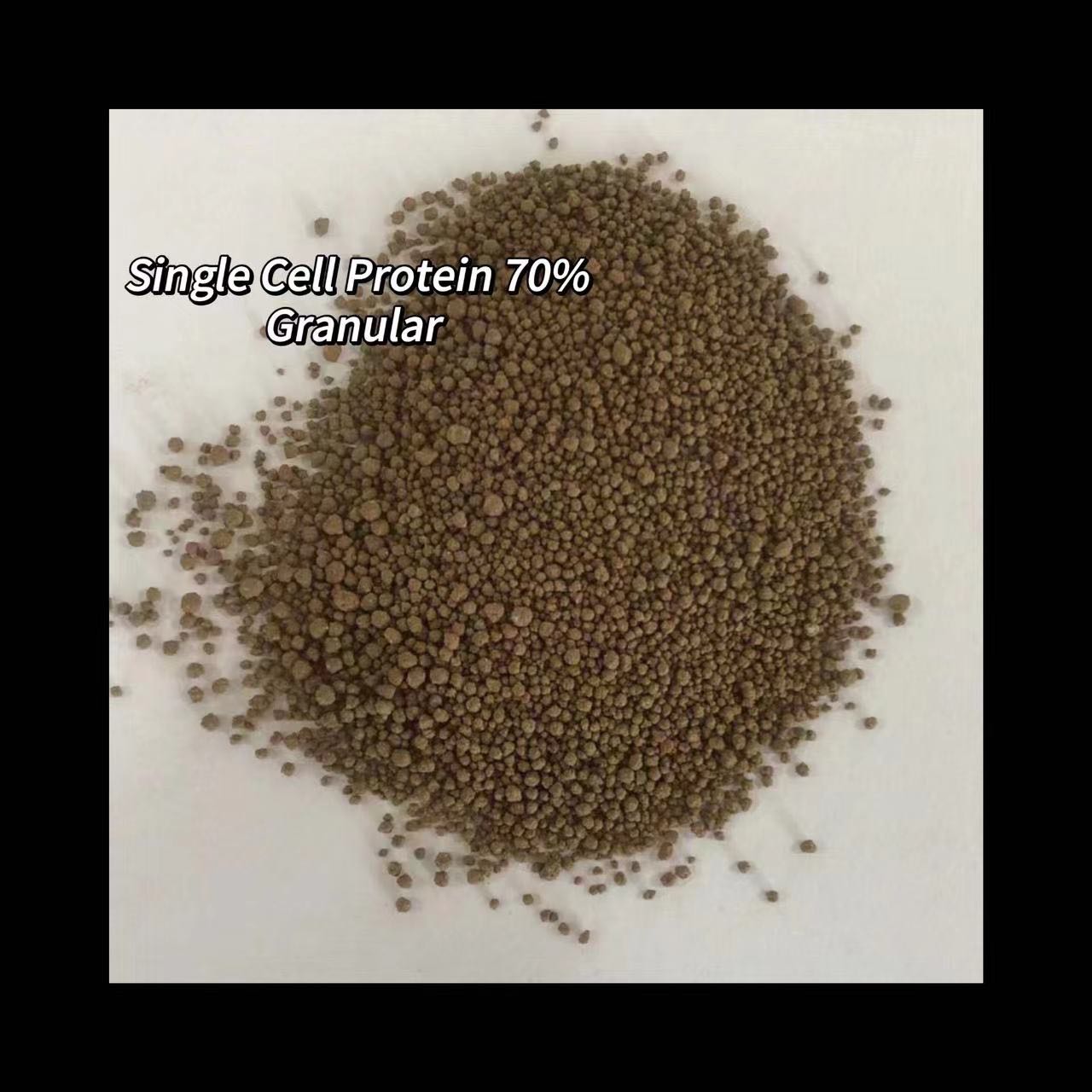
Why Mycoprotein Is a Strategic Protein Alternative in Ruminant DietsSustainability and Supply Chain Advantages Over Conventional ProteinsMycoprotein is produced via fermentation—a land- and climate-independent process that operates continuously in co...
VIEW MORE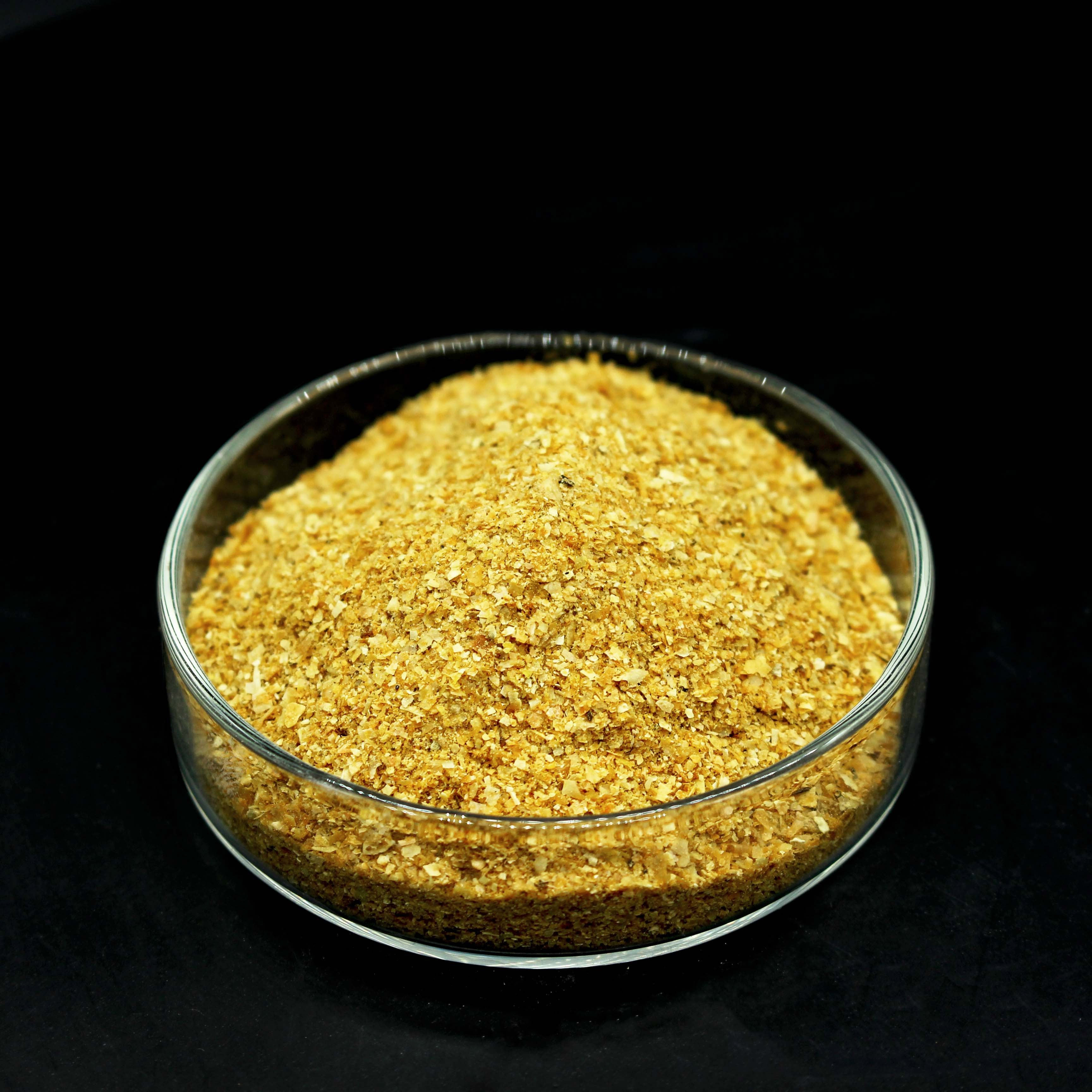
Corn Gluten Meal Safety: Handling, Storage, and Critical Misuse RisksDust control and respiratory protection during corn gluten meal handlingCorn gluten meal particles are fine and easily airborne during unloading, conveying, and mixing—posing both r...
VIEW MORE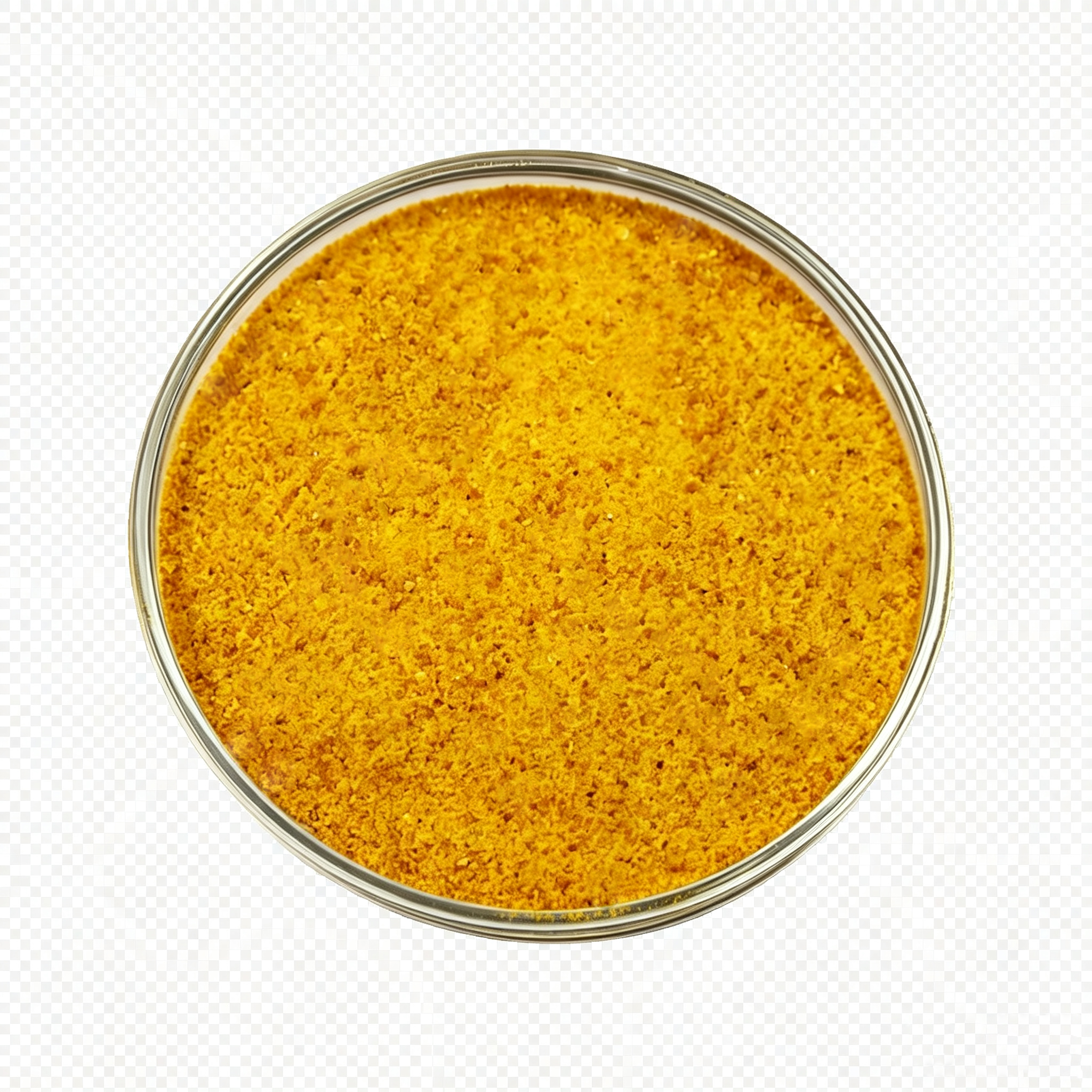
What Makes High Purity Dicalcium Phosphate Ideal for Animal Feed?Chemical and regulatory specifications: Ca ≥ 23%, P ≥ 18%, F ≤ 0.16%, low heavy metals and insolublesHigh purity dicalcium phosphate (DCP) must meet strict chemical thresholds to safegu...
VIEW MORE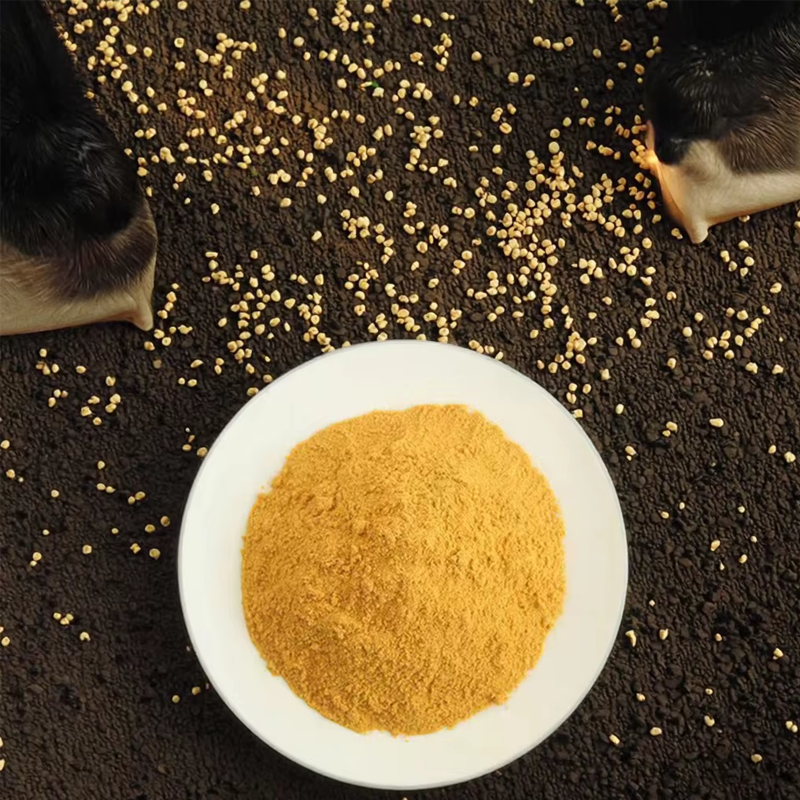
Corn Gluten Meal 60%: Protein Content, Quality Verification, and Feed Grade Standards Corn gluten meal is a concentrated protein ingredient derived from corn wet-milling. Its value in animal feed hinges on consistent crude protein levels and compli...
VIEW MORE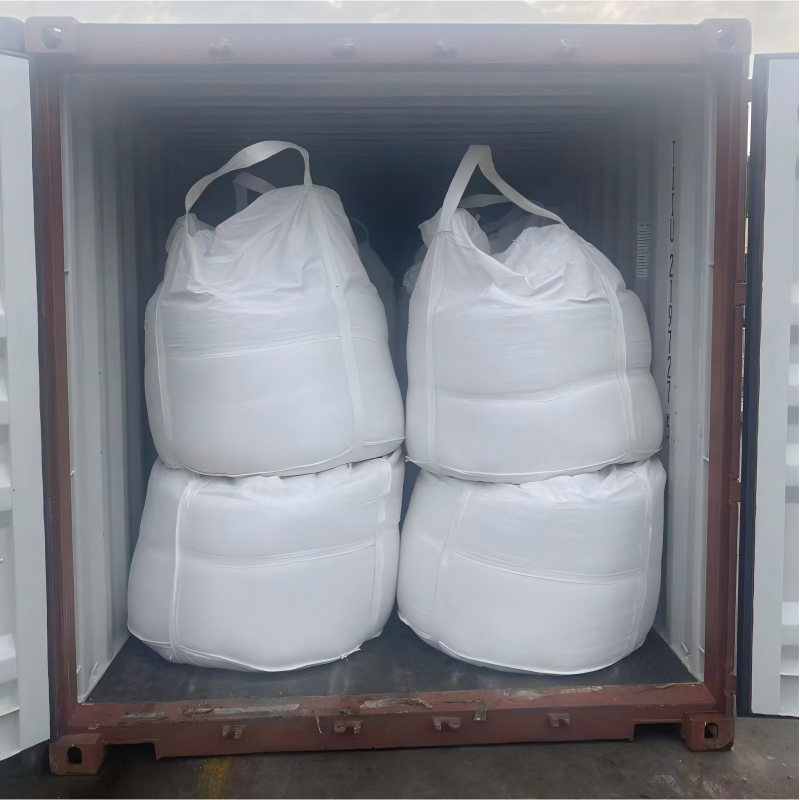
Why Dicalcium Phosphate Is the Preferred Calcium and Phosphorus Source in Animal FeedIn livestock nutrition, mineral supplements directly influence bone integrity, growth rates, and overall productivity. Dicalcium phosphate (DCP) has become the prefe...
VIEW MORE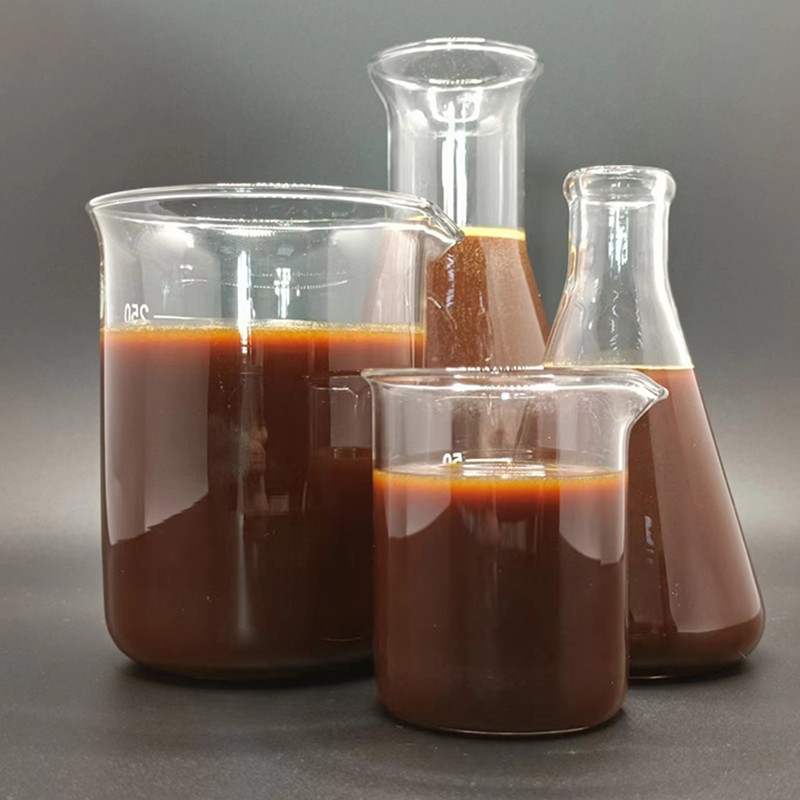
CSL Powder 42% Nutrient Profile: Bioavailable Nitrogen and Organic BiostimulantsAmino acids, peptides, and slow-release organic nitrogen for sustained plant uptakeCSL powder 42% is a corn steep liquor derivative delivering bioavailable nitrogen and o...
VIEW MORE EN
EN
