 EN
EN

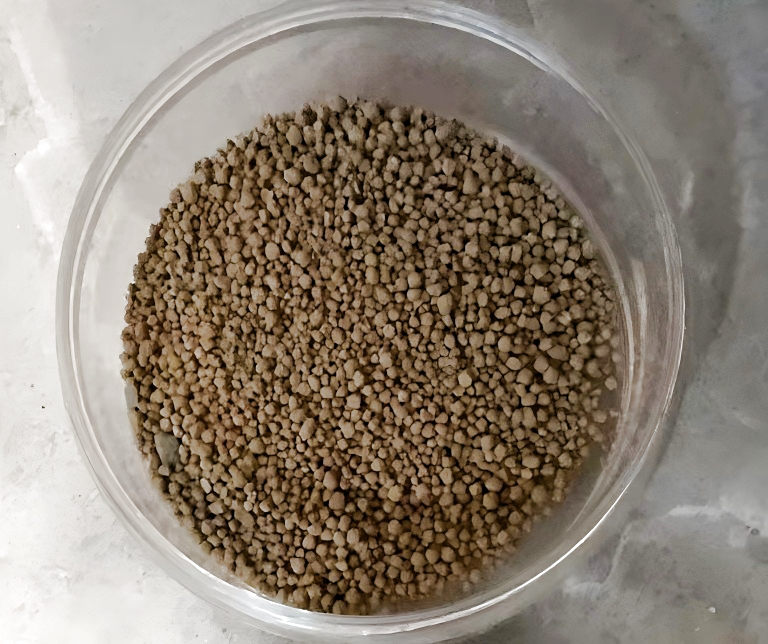
Scientific Basis: How Glutamic Acid Residue 70% Enhances Nutrient Utilization and Immunity
mTOR Activation and Amino Acid Transport Synergy
The glutamic acid residue delivers a high concentration of bioavailable L-glutamate—its primary functional component—which directly activates the mechanistic target of rapamycin complex 1 (mTORC1) in enterocytes and muscle cells. This activation initiates an anabolic cascade, upregulating key amino acid transporters including ASCT2, B⁰AT1, and LAT1. As a result, absorption of both glutamate and co-administered essential amino acids improves, reinforcing protein synthesis and nitrogen retention. In weaned piglets, glutamate-driven mTOR activation increased duodenal villus height by 18% and enhanced PepT1 activity, contributing to improved post-weaning growth (Wu et al., 2020). With 70% functional purity on a dry-matter basis, the residue provides a sustained, physiologically relevant supply of L-glutamate—particularly valuable during rapid tissue development and elevated metabolic demand.
Evidence from Swine and Poultry Trials: FCR, Weight Gain, and Mucosal IgA Response
Controlled trials across swine and poultry consistently demonstrate performance benefits. A 2022 broiler study found that replacing part of the soybean meal with 2% glutamic acid residue yielded a 6.5% increase in body weight gain and a 3.8% reduction in feed conversion ratio (FCR) versus control (Poultry Science, 2022). Similarly, early-weaned piglets fed 1.5% of the diet as glutamic acid residue showed a 5.2% improvement in FCR and 12% higher average daily gain (J. Anim. Sci., 2021). Critically, mucosal immunity was strengthened: ileal secretory IgA rose by 15% in broilers and 18% in piglets—evidence of enhanced intestinal barrier integrity. These outcomes reflect glutamate’s dual role as a preferred energy substrate for enterocytes and the rate-limiting precursor for glutathione synthesis, collectively reducing inflammation and supporting gut resilience.
Physiological Mechanisms: Nitrogen Metabolism, Antioxidant Support, and Stress Resilience
Glutamate as Central Hub for Glutamine, Glutathione, and Ammonia Detoxification
Glutamate from the residue functions as a central metabolic node—fueling the synthesis of glutamine, glutathione, and facilitating safe ammonia detoxification. In enterocytes and immune cells, glutamate combines with ammonia via glutamine synthetase to form glutamine, a conditionally essential amino acid critical for intestinal repair and lymphocyte function. This process prevents toxic ammonia accumulation, especially under high-protein feeding regimens. Simultaneously, glutamate is the indispensable backbone for glutathione—the body’s master antioxidant—supplying the γ-glutamyl moiety required for its synthesis. Without sufficient bioavailable glutamate, cellular redox balance falters. The residue’s concentrated L-glutamate bypasses digestive inefficiencies, rapidly entering these pathways. Its participation in transamination also enables efficient nitrogen redistribution into other amino acids, lowering systemic ammonia burden and supporting whole-body protein accretion.
Heat and Oxidative Stress Mitigation in Aquaculture and Early-Weaned Piglets
Heat and oxidative stress impair production by elevating reactive oxygen species (ROS) and depleting endogenous antioxidants—especially in sensitive life stages like early-weaned piglets and heat-stressed shrimp. Glutamic acid residue counters this through targeted support of glutathione-dependent defenses. In shrimp exposed to elevated water temperatures, dietary glutamate increased glutathione peroxidase and superoxide dismutase activity, reduced lipid peroxidation, and improved survival rates. In early-weaned piglets, glutamate-fueled glutamine synthesis strengthens tight-junction proteins and enhances mucosal antioxidant capacity—reducing intestinal permeability and oxidative damage. Field data show optimized inclusion lowers serum malondialdehyde and cortisol, sustaining feed intake during thermal challenge. Because the residue supplies both metabolic fuel and antioxidant precursor, it offers a biologically coherent, cost-effective strategy to restore redox homeostasis and mitigate stress-induced production losses.
What '70%' Really Means: Technical Standards, Functional Purity, and Bioavailability
Crude Protein ≥65%, Low Ash (<12%), and Correlation with L-Glutamate Bioavailability
The “70%” label reflects minimum functional purity—defined as ≥70% L-glutamate on a dry-matter basis—a specification validated by stringent compositional benchmarks: ≥65% crude protein and <12% ash. This low-ash, high-protein profile ensures maximal amino acid nitrogen density while minimizing inert mineral dilution or potential anti-nutritional interference. As confirmed by leading manufacturer specifications, the 65% crude protein threshold strongly correlates with bioavailable L-glutamate content—the active form responsible for mTOR signaling, glutathione synthesis, and nitrogen metabolism. In practice, high crude protein coupled with low ash translates directly to greater delivery of intact, absorbable L-glutamate to intestinal transporters—ensuring the labeled functional purity delivers predictable, reproducible biological outcomes.
Practical Application: Species-Specific Dosage, Safety, and Formulation Best Practices
Optimized Inclusion Rates for Poultry, Swine, Ruminants, and Shrimp
Optimal inclusion rates depend on species physiology and production goals. For poultry, 0.5–1.5% supports growth and feed efficiency without compromising palatability. In swine—particularly during the vulnerable post-weaning phase—1–2% improves gut health, reduces stress markers, and enhances nutrient absorption. Ruminants benefit from 0.5–1% to stimulate microbial protein synthesis without disrupting rumen fermentation. In aquaculture, shrimp feeds typically include 2–5% to improve feed intake, immunity, and stress tolerance. All recommendations assume a product meeting ≥65% crude protein and <12% ash standards. Over-supplementation may depress feed intake; therefore, formulators should evaluate total dietary glutamate load alongside energy density and complementary amino acid profiles. Safety is well-established across species, but consistent monitoring of ash content remains essential to prevent mineral imbalances and maintain formulation precision.
Frequently Asked Questions
What is glutamic acid residue 70%?
Glutamic acid residue 70% is a feed ingredient with ≥70% L-glutamate on a dry-matter basis, designed to enhance nutrient utilization and immunity in animals through mTOR activation and antioxidant support.
Which species benefit from glutamic acid residue supplementation?
It is beneficial for poultry, swine, ruminants, and shrimp, with species-specific inclusion rates optimized for growth, feed efficiency, and stress tolerance.
How does glutamic acid residue improve feed conversion ratio (FCR)?
By boosting amino acid transport, protein synthesis, and intestinal health, glutamic acid residue helps reduce FCR and improve weight gain in animals.
What are the technical standards for glutamic acid residue?
It must meet stringent criteria such as ≥65% crude protein and <12% ash, ensuring functional purity and bioavailability of L-glutamate.
Can over-supplementation lead to negative effects?
Yes, excessive inclusion may reduce feed intake. Proper formulation ensures safe and optimal use.
Table of Contents
- Scientific Basis: How Glutamic Acid Residue 70% Enhances Nutrient Utilization and Immunity
- Physiological Mechanisms: Nitrogen Metabolism, Antioxidant Support, and Stress Resilience
- What '70%' Really Means: Technical Standards, Functional Purity, and Bioavailability
- Practical Application: Species-Specific Dosage, Safety, and Formulation Best Practices
- Frequently Asked Questions